In 2026, while your independent hotel's front desk is still wrestling with manual check-ins, are online travel agencies (OTAs) taking 18% of your room revenue? While your guests expect personalized experiences, are you still dealing with old-school logbooks? In an environment of rising operational costs and cutthroat competition, a Property Management System (PMS) is no longer just a booking tool, but a strategic necessity directly impacting your profitability and sustainability. This guide will show how an integrated PMS can transform your property—from operational efficiency to guest loyalty, and revenue optimization to legal compliance—delivering a tangible return on investment (ROI) at every step.
What You Will Learn
- Why is a PMS a Strategic Necessity for Independent Hotels?
- Cut Costs and Increase GOPPAR with Operational Efficiency
- Maximize Revenue with Dynamic Pricing and Direct Bookings
- Personalize the Guest Experience, Drive Loyalty, and Stay Compliant
- Integrated Solutions and Return on Investment for Independent Hotels
- Frequently Asked Questions
Why is a PMS a Strategic Necessity for Independent Hotels?
While independent hospitality offers advantages such as flexibility and unique character, it faces significant challenges against the technological and marketing muscle of major chains. As rising energy costs, staffing expenses, and OTA commissions squeeze profit margins, guests now expect smarter, more connected, and more personalized services.
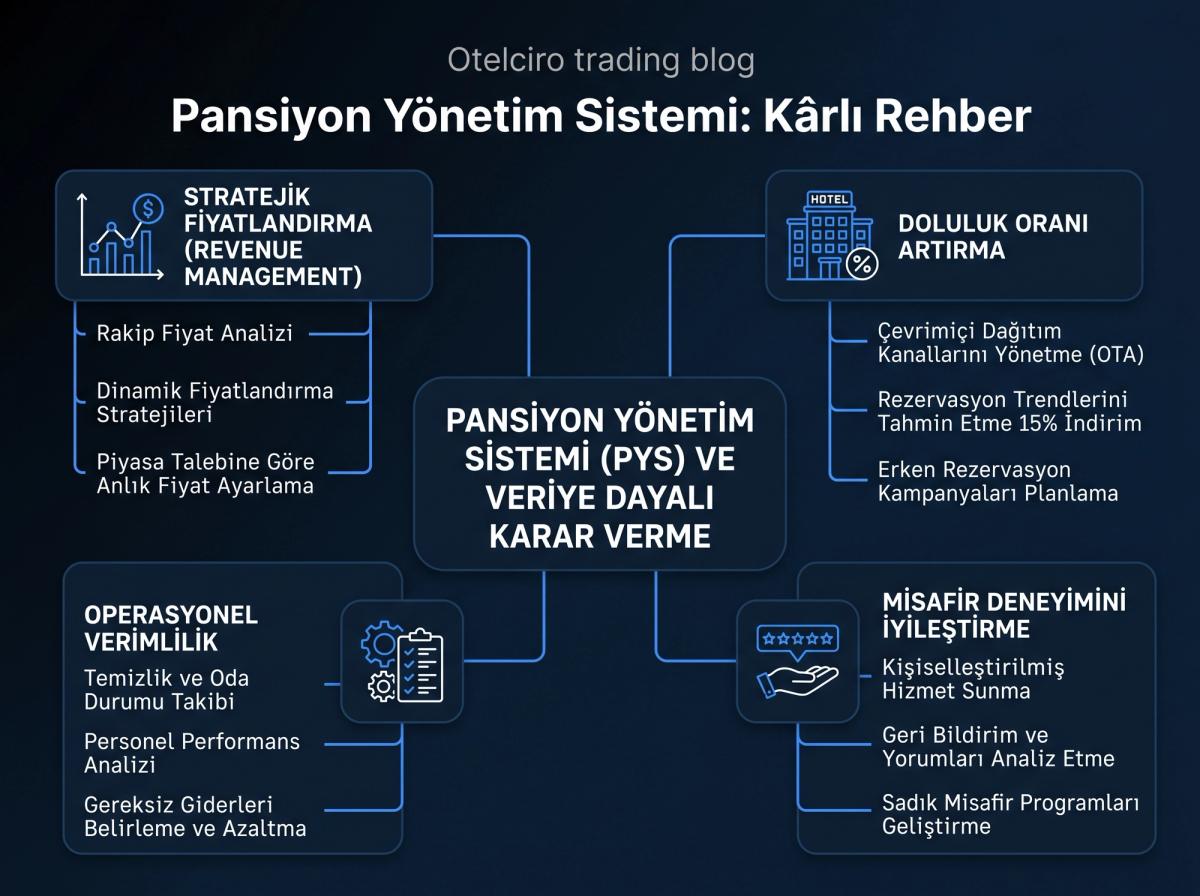
A Property Management System (PMS) sits at the center of this equation. It is no longer just a digital ledger logging reservations. A modern PMS is a central nervous system uniting revenue management, distribution channels, operations, and guest experience on a single platform.
The Challenges of 2026 and Where Independent Properties Stand
Moving into 2026, independent properties that fail to invest in technology risk falling behind the competition. Guests will expect conveniences such as online check-in, keyless entry, and digital communication throughout their stay as standard. Failing to meet these expectations will lead not only to negative reviews, but also to direct revenue loss.
The Hidden Costs of Manual Processes and Their Impact on GOPPAR
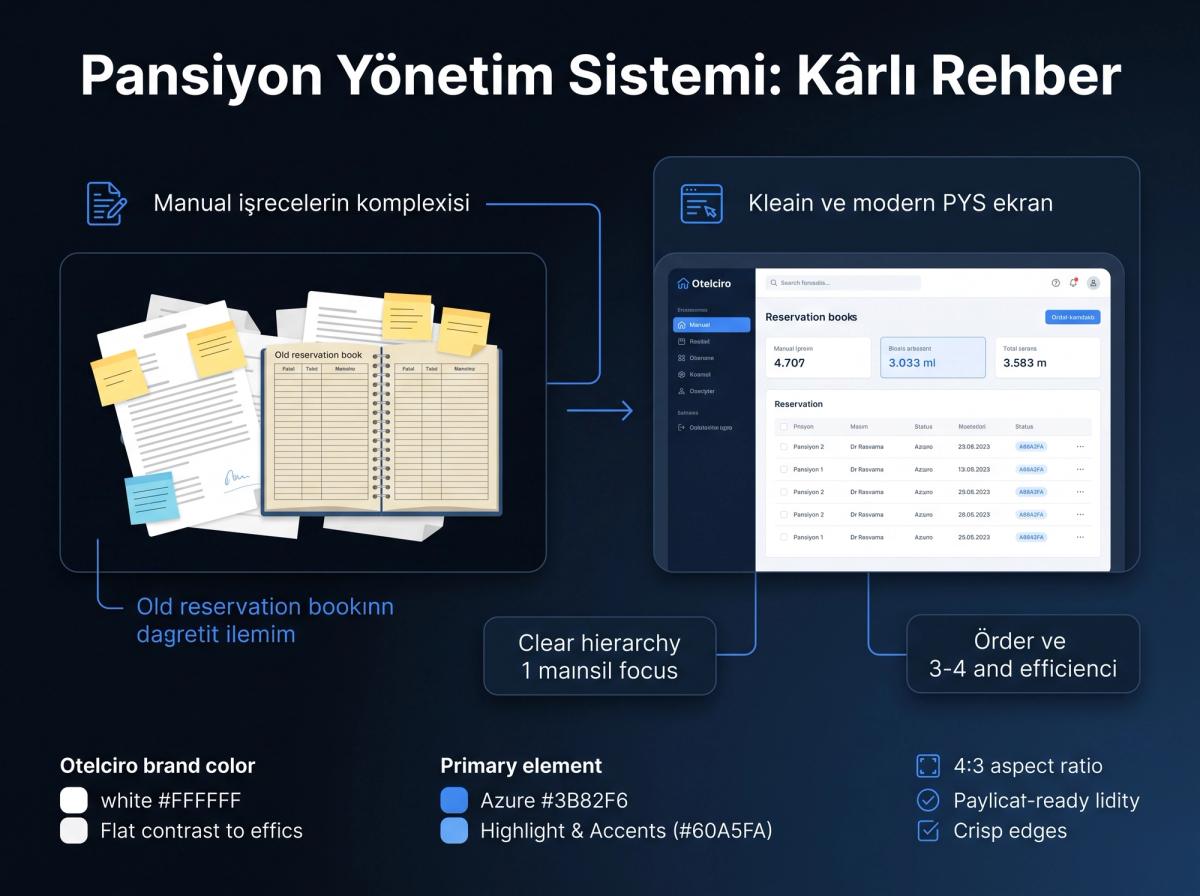
Manually run operations are far more costly than they appear. Time spent checking in guests at the front desk, human errors in billing, miscommunicated information to housekeeping, and manually compiled reports do not just create inefficiencies—they directly erode your profitability.
Example: Consider a 60-room boutique hotel where front desk staff spend just 2 hours a day on manual booking entries, invoice checks, and reporting. That represents roughly 60 hours of labor cost per month. By automating these processes, a PMS frees up valuable time for staff to engage with guests or drive upsell opportunities. This efficiency directly and positively impacts Gross Operating Profit Per Available Room (GOPPAR).
These hidden costs also lead to secondary effects like staff dissatisfaction and high turnover, driving your expenses up even further.
Cut Costs and Increase GOPPAR with Operational Efficiency
The area where an integrated PMS delivers the fastest return on investment is day-to-day operations. Automating tasks, cutting down errors, and optimizing labor are the cornerstones of profitability.
Automation of Daily Tasks and Error Reduction
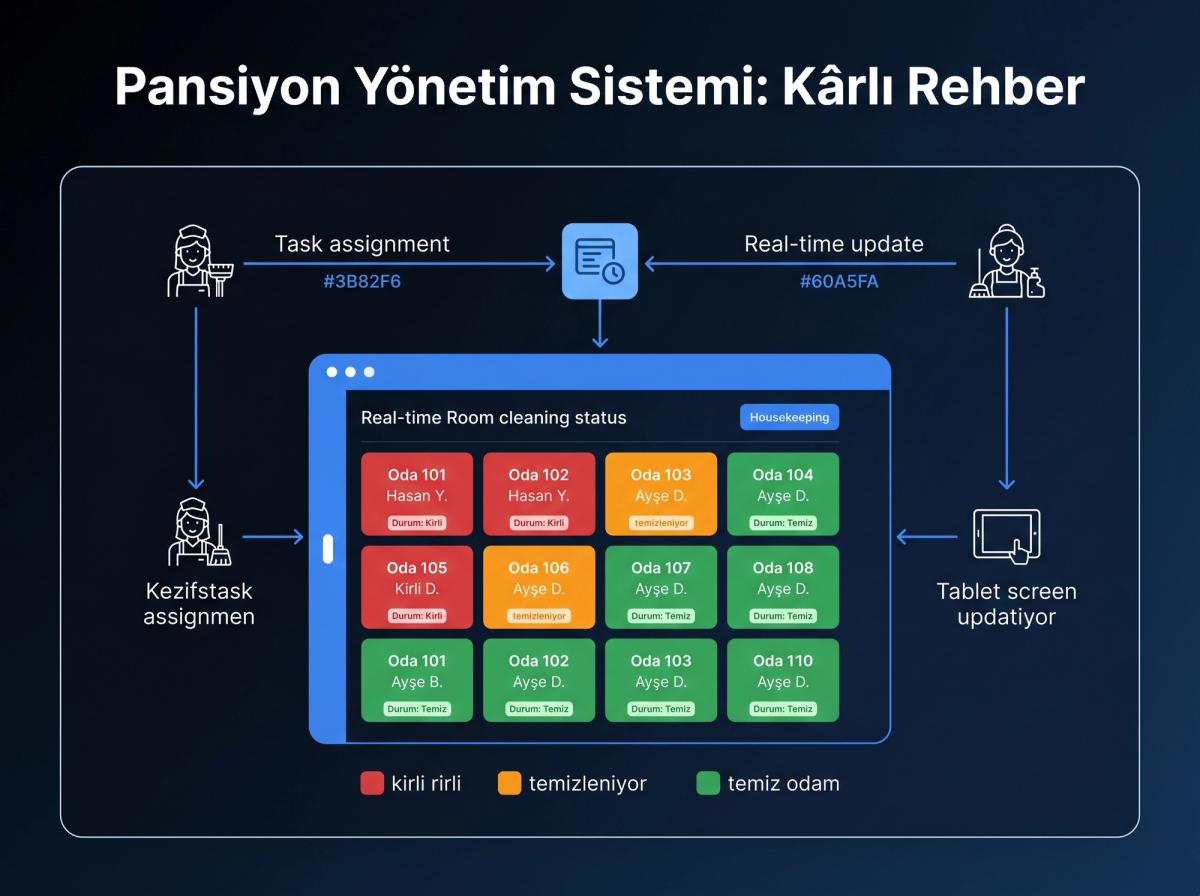
A modern PMS streamlines your operational workflow from start to finish. Tasks such as check-in/check-out processes, room assignments, housekeeping tracking, and maintenance requests are managed through a centralized system. For example, when a guest checks out, the system automatically notifies the housekeeping team that the room needs cleaning. This shortens turnaround time for reselling the room and prevents you from missing out on last-minute booking opportunities.
Automation virtually eliminates costly manual mistakes like double bookings or incorrect billing. This not only saves money, but also protects guest satisfaction.
Labor Optimization and Staff Productivity
A PMS ensures your staff works as efficiently as possible. Task assignments and staffing schedules can be optimized based on real-time occupancy and guest movement data in the system. More staff can be directed to the front desk during peak check-in hours, while during quieter periods, employees can be shifted to different duties.
Pro Tip: Use your PMS mobile app to assign tasks instantly to housekeeping and maintenance staff. Once employees complete a task, they update its status in the system, and the front desk sees room status in real time. This prevents communication breakdowns and can boost operational efficiency by 15-20%.
This optimization reduces unnecessary overtime costs and allows your existing staff to focus on more strategic, guest-centric tasks. As a result, you achieve lower labor costs and higher GOPPAR.
Maximize Revenue with Dynamic Pricing and Direct Bookings
While operational efficiency drives down costs, intelligent revenue strategies drive up revenue. A modern PMS allows independent hotels to execute sophisticated revenue management tactics just like major chains.
Smart Revenue Management Strategies and ADR/RevPAR Growth
A PMS allows you to dynamically adjust your rates based on real-time market data. By analyzing dozens of factors such as demand, occupancy, competitor rates, the event calendar, and booking pace, it determines the optimal room rate. This allows you to maximize your revenue by going beyond rule-based pricing.
The system also automates upsell and cross-sell opportunities. By offering guests a higher room category or ancillary services such as airport transfers during booking, it increases Average Daily Rate (ADR) and Revenue Per Available Room (RevPAR).
Watch For: When you enable dynamic pricing, do not focus solely on raising rates. Strategically lowering rates during low-demand periods can help you gain market share and build base occupancy. This is key to maximizing total revenue.
Channel Management and Direct Booking Growth
A PMS with an integrated channel manager manages all your distribution channels (OTAs, GDS, your own website, travel agencies) from a single place. This ensures that your inventory is updated instantly across all channels, eliminating the risk of double bookings and ending the hassle of manual updates.
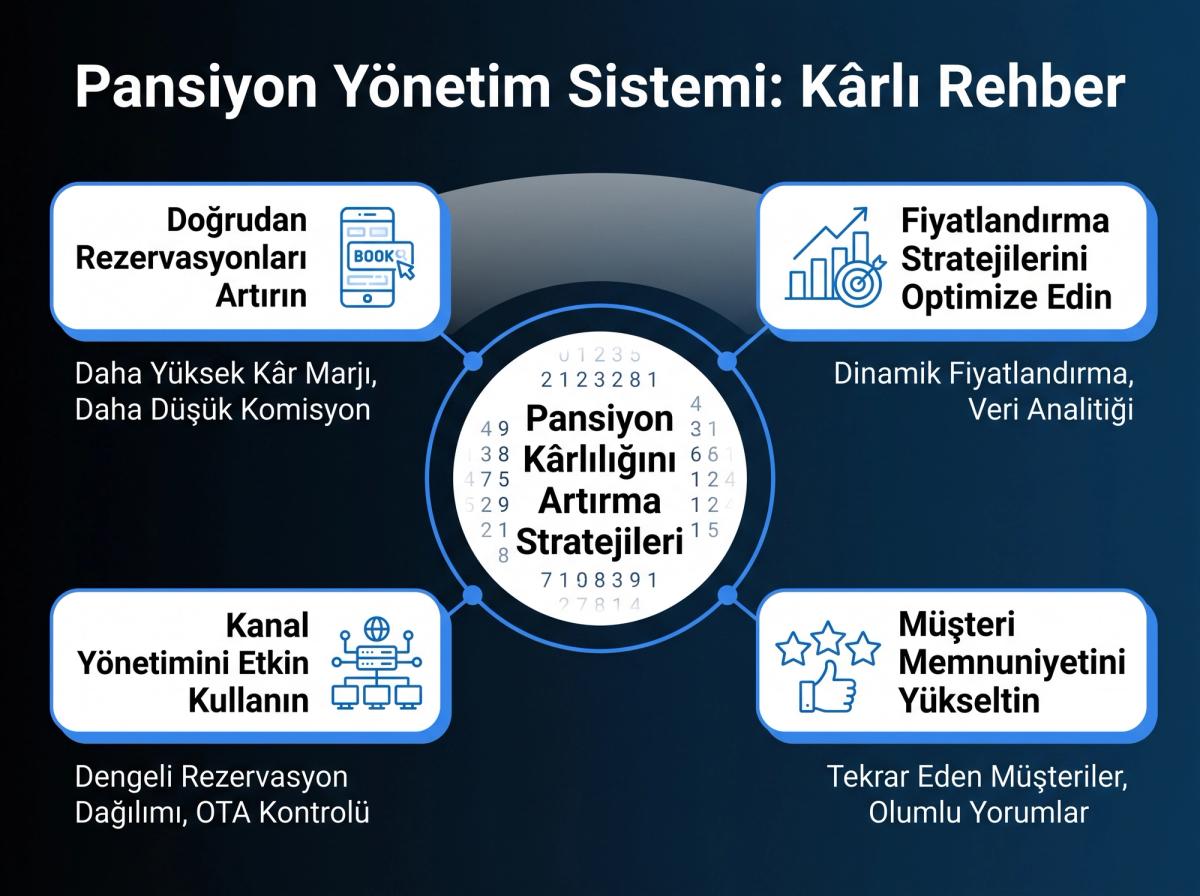
More importantly, a PMS helps you reduce your reliance on high-commission OTAs. With a booking engine integrated into your own website, special offers, and loyalty programs, you can encourage direct bookings. Increasing your direct booking share from 10% to 20%, assuming you pay an average commission of 18%, means eliminating the commission cost of 1.8 bookings for every 100 bookings. This reflects directly on your bottom line.
Personalize the Guest Experience, Boost Loyalty, and Stay Compliant
Profitability is not just about lowering costs and increasing revenue; it is also about creating memorable experiences that encourage guests to return. A PMS forms the technological foundation of this process.
Data-Driven Guest Relations and Repeat Visits
A PMS collects valuable data about each guest in a centralized profile: stay history, spending habits, room preferences (high floor, pillow type, etc.), and special requests. This data is a powerful tool for personalizing the guest experience.
A pre-arrival email asking about special requests, their favorite beverage waiting in the room, or a small gesture celebrating a birthday makes guests feel valued. As industry sources like Skift point out, these personalized touches translate into positive online reviews, higher guest satisfaction, and most importantly, increased loyalty and repeat bookings.
Local Regulatory Compliance and Data Security
For hoteliers in Türkiye, regulatory compliance is a critical matter. A modern PMS provides full compliance with local regulations, including the Identity Reporting System (KBS), Fiscal Cash Register (ÖKC) integration, and e-Fatura. These integrations eliminate manual data entry, saving you time while preventing the risk of errors and potential fines.
In addition, the robust reporting and analytics tools offered by a PMS provide the foundation for critical decisions made by property owners and general managers. By providing actionable insights on metrics such as occupancy, ADR, RevPAR, channel performance, and guest segmentation, it enables you to shape your marketing and revenue strategies based on data.
Integrated Solutions and Return on Investment for Independent Hotels
The power of technology lies not in individual tools, but in how seamlessly these tools work together. For an independent hotel, the right PMS must be a scalable, integrated platform sitting at the heart of your operations.
The Power of Tech Integration and Scalability
An ideal PMS integrates seamlessly with other essential hotel technologies such as Channel Managers (CM), Revenue Management Systems (RMS), Customer Relationship Management (CRM), and Point of Sale (POS). This integration ensures that all your departments work with the same data, giving you a 360-degree view of revenue, operations, and guests. For example, a restaurant charge (POS) is instantly posted to the guest folio (PMS), and this data is added to the guest profile (CRM) for future marketing offers.
As your business grows, your PMS should be able to scale with you. Whether you evolve from a 15-room boutique hotel into a 100-room resort, your system must be capable of meeting your new requirements.
Implementation Process and Proven ROI
Switching to a new PMS may seem daunting, but with the right partner, the process can be seamless. A typical implementation process includes data migration, hardware setup, staff training, and go-live phases. This process generally takes a few weeks.
It is essential to view a property management system not as a cost center, but as a strategic investment delivering a clear return on investment (ROI). Thanks to reduced operational costs, increased direct bookings, and higher RevPAR, the right PMS investment typically pays for itself within 12 to 18 months. In addition, incentives such as KOSGEB can make this investment even more accessible.
In the complex world of independent hospitality in 2026, an integrated Property Management System is not just a convenience, but an essential tool for operational efficiency, revenue optimization, and guest loyalty. As discussed in this guide, the right PMS lowers costs by automating daily tasks, increases revenue through dynamic pricing, personalizes the guest experience, and ensures compliance with local regulations. Otelciro's integrated PMS, Channel and Revenue Management, Operations, and Guest Experience modules unify every aspect of your property, giving you control and visibility from a single platform. So, are you ready to make this strategic investment to boost your profitability and take your guests into the future?
Audit the integration gaps in your current tech stack today and discover how Otelciro can deliver a unified solution.
Share this post
Frequently Asked Questions
What exactly is a Property Management System (PMS)?
A Property Management System (PMS) is a centralized software platform that manages all operational processes of an accommodation property, including reservations, front desk, billing, housekeeping, and reporting. Modern systems also include modules such as channel management and revenue optimization.
How can a PMS increase my hotel's revenue?
It increases revenue by determining optimal rates based on demand through dynamic pricing tools, creating upselling and cross-selling opportunities, and driving direct bookings. Additionally, it lowers costs and boosts profitability by providing operational efficiency.
What are the most important PMS features for an independent hotel?
An integrated channel manager, a dynamic pricing module, a user-friendly interface, robust reporting tools, and compliance with local regulations (KBS, e-Fatura) are the most critical PMS features for an independent hotel.
How long does it take to switch to a new PMS, and is it difficult?
With the right technology partner, the migration process typically takes a few weeks. The process includes transferring your existing data to the new system, staff training, and go-live support. A well-planned migration process is completed with minimal disruption to your operations.