Imagine your boutique hotel in Antalya struggling to justify a much-needed renovation. OTA commissions already eat up %18 of your room revenue, and a major capital expenditure (CapEx) project seems impossible without incurring significant debt. By 2026, guests will demand sustainable practices and seamless digital experiences, leaving non-compliant properties behind. But what if there was a strategic way to finance these essential upgrades, not only cutting costs but actively boosting your GOPPAR and direct bookings? This guide reveals how Turkey's tourism incentives offer independent hoteliers a vital roadmap to modernize, digitalize, and thrive, transforming government support into tangible profit and securing your competitive edge.
A hotel manager sitting in a modern hotel lobby, working on a tablet
What You Will Learn?
- Modernization and Gaining Competitiveness with Strategic Capital
- Increasing Profitability with Operational Efficiency and Sustainability
- Boosting Direct Bookings with Digital Infrastructure and Guest Experience
- Optimizing RevPAR and Efficiency with Advanced Hotel Technologies
- Incentive Application and Compliance Process: From Bureaucracy to Profit
- Frequently Asked Questions
Modernization and Gaining Competitiveness with Strategic Capital
Turkey's tourism incentives are not merely a cost item, but a strategic capital injection. These funds act as leverage for independent hotels to redefine their market position. When utilized correctly, they not only renovate buildings but also transform the hotel's entire financial structure and competitiveness.
Alleviating the CapEx Burden: New Investment and Renovation Opportunities
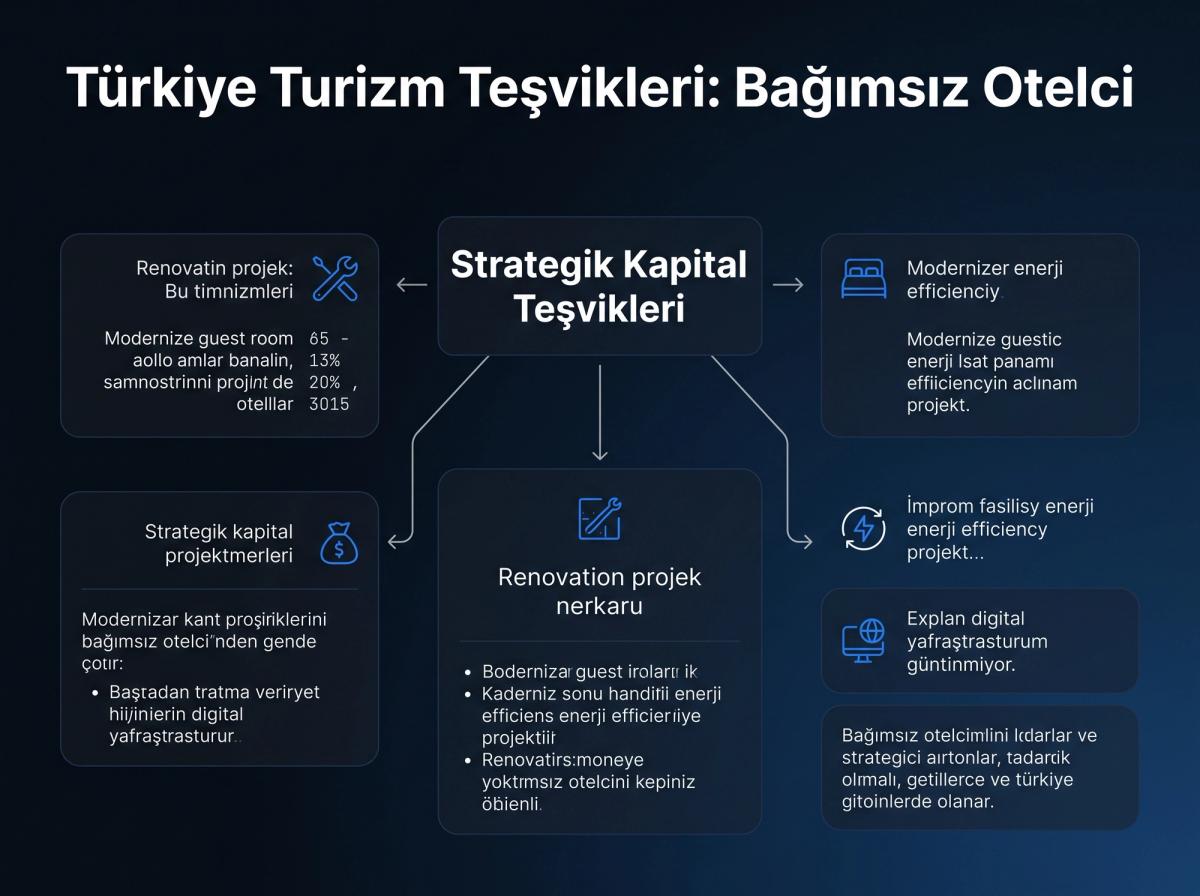
Investment incentive certificates provided by institutions like the Ministry of Culture and Tourism or KOSGEB can significantly reduce the initial capital (CapEx) required for new hotel construction or comprehensive renovation of an existing property. For instance, imagine %30 of a 5 milyon TL renovation project being covered by grants or low-interest loans. This translates to a 1.5 milyon TL capital advantage. This advantage means lower debt service, which directly reflects on your profitability metrics like RevPAR and GOPPAR. A lower initial cost increases your asset's value faster, shortens the return on investment (ROI) period, and offers the flexibility to invest in high-end amenities that will allow you to command a higher ADR (Average Daily Rate).
Example: When an 80-room city hotel uses incentives to renovate its rooms and lobby, it can increase its nightly ADR from 1.800 TL to 2.200 TL. At %70 occupancy, this means approximately 672.000 TL in additional room revenue per month. The reduced debt burden thanks to the incentive ensures a larger portion of this additional revenue converts into profit.
Architectural drawing of a hotel exterior or a before/after photo of a renovated hotel room.
Increasing Market Competitiveness: Targeting Niche Markets
Incentives can be used to create a unique value proposition instead of competing with large chains on price. For example, a hotel aiming to focus on health tourism can use incentives to establish specially equipped rooms for medical guests, a physiotherapy area, or a kitchen offering wellness menus. Such niche markets typically have longer stay durations and higher spending potential. Similarly, a property focusing on cultural tourism can leverage incentives for restoration work that preserves historical texture or for local art workshops, thereby creating a distinctive identity and becoming indispensable for a specific traveler segment.
Solar panels installed on a hotel roof
Increasing Profitability with Operational Efficiency and Sustainability
Incentives are not just for large construction projects. They can also be a critical resource for smart investments that directly impact your profitability by reducing your daily operational expenses (OpEx). This is vital, especially in a period where energy and waste costs are continuously increasing.
Reducing OpEx with Energy Efficiency and Waste Management
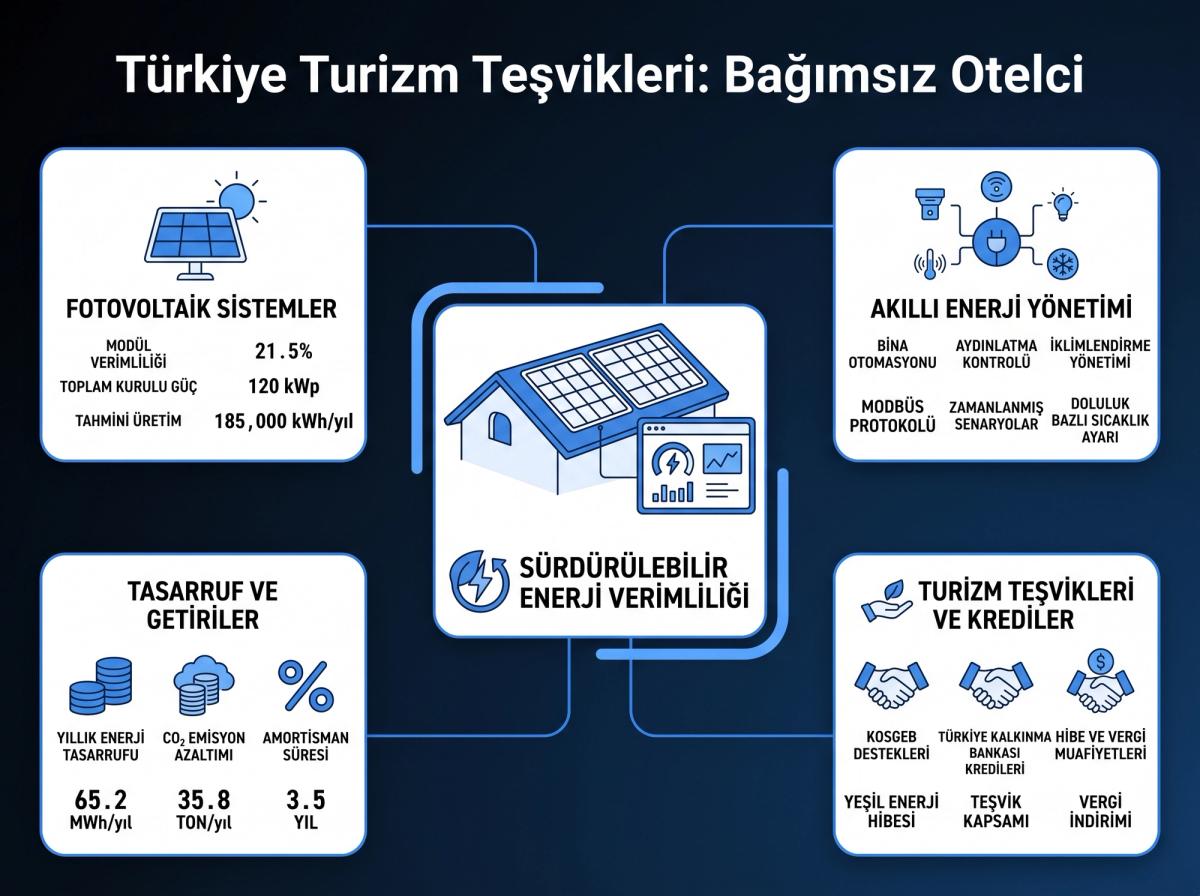
Energy efficiency-focused incentive programs target one of your hotel's largest expense items. A grant you receive for installing solar panels, improving insulation, or replacing old HVAC (Heating, Ventilation, and Air Conditioning) systems with smart, energy-efficient models eliminates the initial investment cost. These investments can provide a %20 to %40 reduction in your monthly electricity and heating bills. This saving is directly added to your operational profit margin (GOPPAR). Similarly, support provided for water-saving systems or waste separation and composting facilities not only reduces costs but also positions your hotel as an environmentally conscious business.
Adapting to Sustainability Trends and Attracting Guests
As of 2026, sustainability is no longer a marketing slogan but a guest expectation. European and North American travelers, in particular, actively prefer environmentally conscious hotels that adhere to ethical standards. Utilizing incentives to obtain sustainability certifications (e.g., Green Star) allows you to reach this growing market. Highlighting your eco-friendly practices on your website and OTA profiles not only increases your occupancy but also enables you to apply a certain price premium for guests who share these values. Government incentives lighten the financial burden of adapting to this global trend, preparing you for the future.
Pro Tip: When making your incentive application, emphasize not only the cost savings of the project but also its marketing and guest attraction potential. Documenting the potential ADR and occupancy increase from your sustainability investment will strengthen your application.
Increasing Direct Bookings with Digital Infrastructure and Guest Experience
The modern guest expects a seamless digital experience. Slow Wi-Fi, complicated check-in processes, or rooms with outdated technology are no longer acceptable flaws and are immediately reflected in your online reviews. Tourism incentives offer an opportunity to finance critical infrastructure investments in this area, increasing guest satisfaction and direct revenue.
In-Room Technology and High-Speed Internet Investments
Solar panels installed on a hotel roof or a dashboard screen showing a hotel's energy consumption.
Internet speed is one of the most frequent complaints from guests. Incentives are available to cover the cost of installing fiber optic infrastructure to provide high-speed, reliable Wi-Fi throughout the property. This is not just a cost, but an investment in guest loyalty and positive reviews. Similarly, placing smart TVs (with Netflix, YouTube integration), media centers where guests can easily connect their own devices, or tablets providing room service ordering and hotel information in rooms personalizes and enriches the accommodation experience. This technological superiority justifies a higher ADR.
Differentiating with Digital Guest Services and Unique Amenities
Incentives can enable you to invest in technologies that digitize the guest journey. Applications like mobile check-in/out, keyless room entry (via smartphone), or concierge service via WhatsApp increase operational efficiency while offering comfort to guests. Such investments reduce the workload of front desk staff, allowing them to engage in more valuable interactions with guests. Furthermore, incentives provided for developing special amenities like a spa, fitness center, or kids' club differentiate your hotel from competitors. Offering a unique experience is the strongest incentive for guests to make direct bookings from your hotel website, as they cannot find this experience on any other channel.
Watch For: When investing in technology, do not overlook integration. A new mobile check-in application should communicate seamlessly with your existing PMS. Integration issues can create inefficiency and frustration for both staff and guests.
A hotelier examining Otelciro's revenue management dashboard on a laptop
Optimize RevPAR and Efficiency with Advanced Hotel Technologies
A modern hotel is not just about comfortable beds and good service; it is also a technology hub designed for efficient operation and profit maximization. Incentives democratize access to the most advanced tools for independent hotels by financing this critical digital transformation.
Cloud PMS and Channel Manager Integration
At the heart of your operations lies the Property Management System (PMS). Old, server-based systems are inefficient and inflexible. Incentives can subsidize the cost of transitioning to a modern, cloud-based PMS like Otelciro. A cloud PMS allows your staff to manage reservations, check-ins, and room status from anywhere. Its full integration with a channel manager enables you to manage your prices and allotment across more than 35 OTA and GDS channels from a single place. This eliminates manual errors, double bookings, and rate parity issues, saving you time and protecting you from potential penalties from OTAs.
Dynamic Pricing with Revenue Management Systems (RMS)
A Revenue Management System (RMS), made accessible through incentives, directly impacts your profitability. An RMS analyzes market demand, competitor prices, event calendars, and historical data to automatically suggest the optimal price for each room type every day. It eliminates the guesswork and assumptions associated with manual pricing.
Example: An RMS can detect an increase in demand due to an upcoming concert and proactively raise your weekend ADR by 15%. Simultaneously, it can suggest strategic discounts to encourage occupancy during low-demand periods. This dynamic approach has the potential to increase RevPAR (Revenue Per Available Room) by 5% to 20% annually.
An integrated platform like Otelciro offers all these systems under one roof. Incentives make investing in such technology much more accessible, enabling independent hotels to make data-driven decisions and achieve operational excellence.
A hotelier reviewing Otelciro's revenue management or channel manager dashboard on a laptop.
Application forms, plans, and official documents on a table
Incentive Application and Compliance Process: From Bureaucracy to Profit
No matter how great the potential benefits of incentives are, the application and compliance process can seem daunting. However, with proper preparation and planning, this bureaucratic process can be transformed into a tangible profit for your hotel.
Application Process and Required Documents
Typically, the process begins with defining the scope and objectives of your project. Whether it's KOSGEB's entrepreneurship supports or the Ministry of Culture and Tourism's investment incentives, the basic documents you need to prepare are similar:
- Business Plan: A detailed document clearly explaining what your project is, how it will meet market needs, and your financial objectives.
- Feasibility Report: A study analyzing the technical, financial, and operational viability of the investment. It should include projections of potential revenue, expenses, and profitability.
- Official Documents: Standard documents such as company registration certificates, tax plate, signature circular, and, if applicable, a tourism operating certificate.
The application process can typically take several months to a year. Therefore, it is crucial to consider this timeframe when planning your project's timeline. Regularly checking the websites of relevant institutions, such as the KOSGEB Supports page, will keep you informed about current programs.
Compliance Obligations and Avoiding Common Mistakes
Receiving the incentive is not the end of the process. Regular reporting and audits are required to ensure the funds are used correctly. Failure to comply with these obligations may result in the support being reclaimed.
Watch For: One of the most common mistakes is not clearly defining the scope of the project during the application. Vague objectives or incomplete cost analyses lead to the application being rejected or, even if approved, to problems during implementation. Another mistake is focusing solely on the approval of the incentive and failing to establish a system for subsequent reporting and document tracking.
View this process not as an obligation, but as an opportunity to discipline your business plan and make your operations more transparent. A successful application and compliance process not only provides financial support but also helps your business achieve a more professional structure.
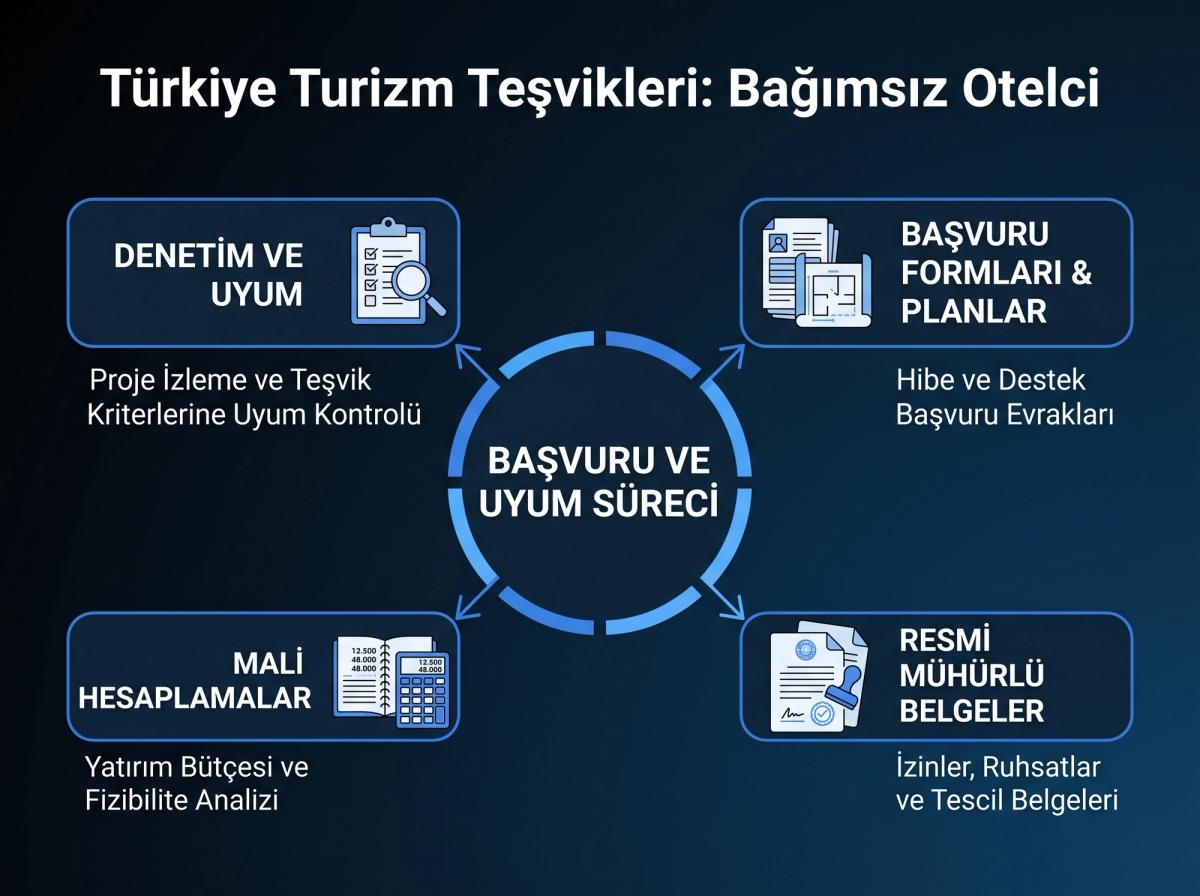
Application forms, plans, officially sealed documents, and a calculator on a table.
Conclusion: Incentives Are a Strategic Advantage
We've seen that Turkey's tourism incentives are not just financial aid for independent hoteliers, but a strategic lever to redefine competitive advantages. From financing critical CapEx for modernization to embracing sustainability, from enhancing the guest experience with digital upgrades to adopting advanced systems like Otelciro's Cloud PMS, RMS, and Channel Manager, these programs offer a path to significantly increase GOPPAR and direct bookings. Your next step should be to identify a specific area where an incentive can make an immediate impact – perhaps energy efficiency or a digital guest service. Begin researching KOSGEB or Ministry of Culture and Tourism programs related to this upgrade. How will your property leverage these opportunities to not just survive, but lead in Turkey's thriving hospitality sector by 2026?
By auditing your current operational expenses and CapEx plans, identify an area where a Turkish incentive could provide immediate funding relief and long-term GOPPAR improvement (e.g., energy consumption, guest Wi-Fi, manual check-in process).
Share this post
Frequently Asked Questions
Which areas do Turkey's tourism incentives cover most?
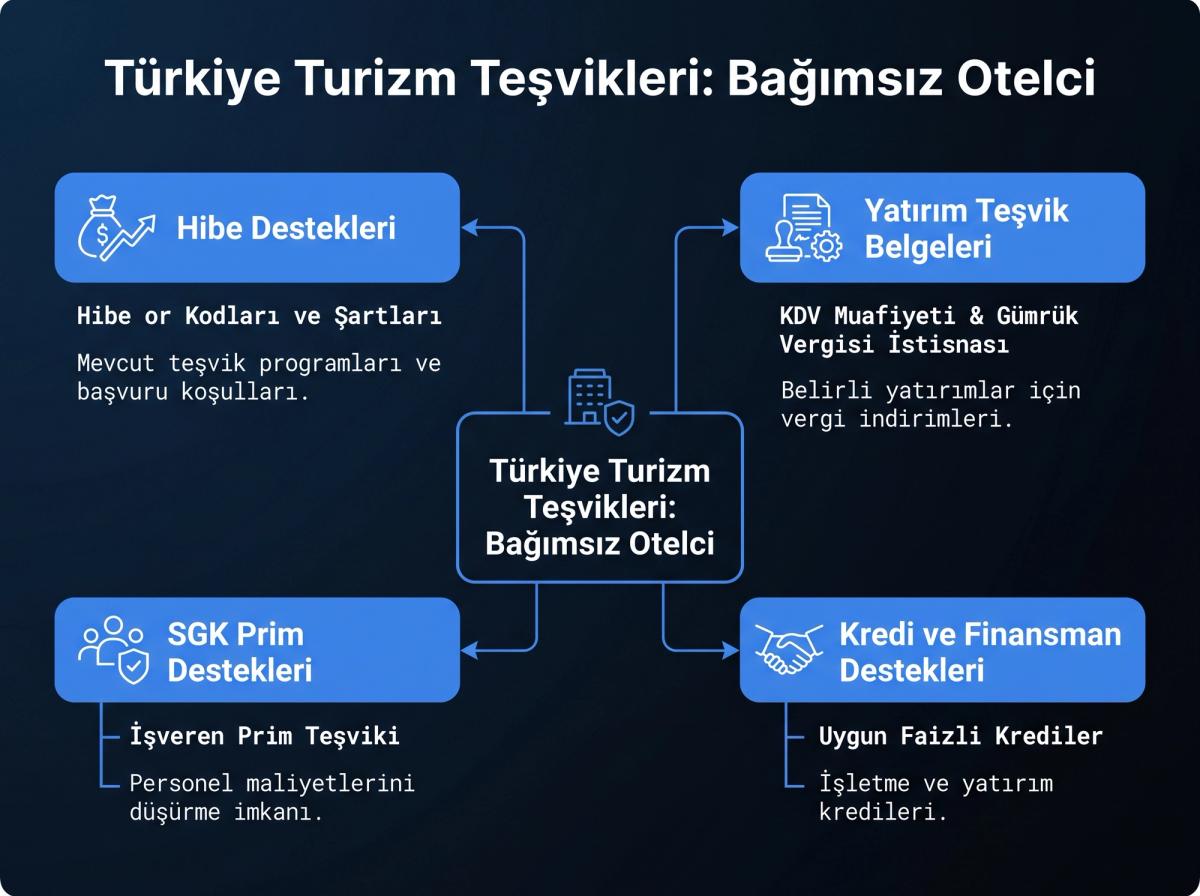
Turkey's tourism incentives generally cover a wide range of areas such as new hotel investments, modernization and renovation of existing facilities, energy efficiency projects, digitalization (including software and hardware), and sustainability certifications. Institutions like KOSGEB and the Ministry of Culture and Tourism offer various programs for businesses of different scales.
Can I get KOSGEB support for a hotel renovation project?
Yes, KOSGEB's programs, especially those aimed at SMEs, can support hotel modernization projects such as machinery and equipment purchases, software licenses, or innovations that will increase operational efficiency. It is important to follow their official websites to check if your project falls within the scope of KOSGEB's current support programs.
How do tourism incentives directly affect a hotel's GOPPAR?
Incentives affect GOPPAR (Gross Operating Profit) in two main ways: First, grants or low-interest loans reduce capital costs (CapEx), thereby decreasing debt burden and increasing profit margins. Second, they finance investments that reduce operational expenses (OpEx), such as energy efficiency or automation, directly lowering monthly costs, and these savings turn into profit.
What are my chances of applying for incentives as an independent hotel?
Government incentive programs generally aim to support SMEs and independent businesses. Independent hotels, which are more flexible and can focus on niche markets compared to large chains, are strong candidates for programs targeting regional development, cultural tourism, or sustainability. With a well-prepared business plan and clear objectives, your chances of application are quite high.