Key Takeaways
- Resilient Growth: Turkey is solidifying its position as the world's 6th most visited country with a projected 4.9% growth in 2026, outperforming traditional Mediterranean rivals.
- Economic Value: Average spend per tourist in Turkey has risen to $850, driven by a superior price-to-value ratio compared to Spain and Greece.
- Calendar Synergy: The overlap of Ramadan and Easter in early 2026 created a unique "early season" surge, increasing Q1 occupancy rates by 15-20%.
- Strategic Diversification: Success is no longer tied solely to sun-and-sea; MICE, health tourism, and gastronomy are driving year-round demand.
- Revenue Imperative: High volume must be met with sophisticated RevPAR and ADR strategies to ensure volume translates into profitability.
Embed this image on your site
<a href="https://otelciro.com/en/news/turkey-s-tourism-resilience-leading-the-mediterranean-2026-guide">
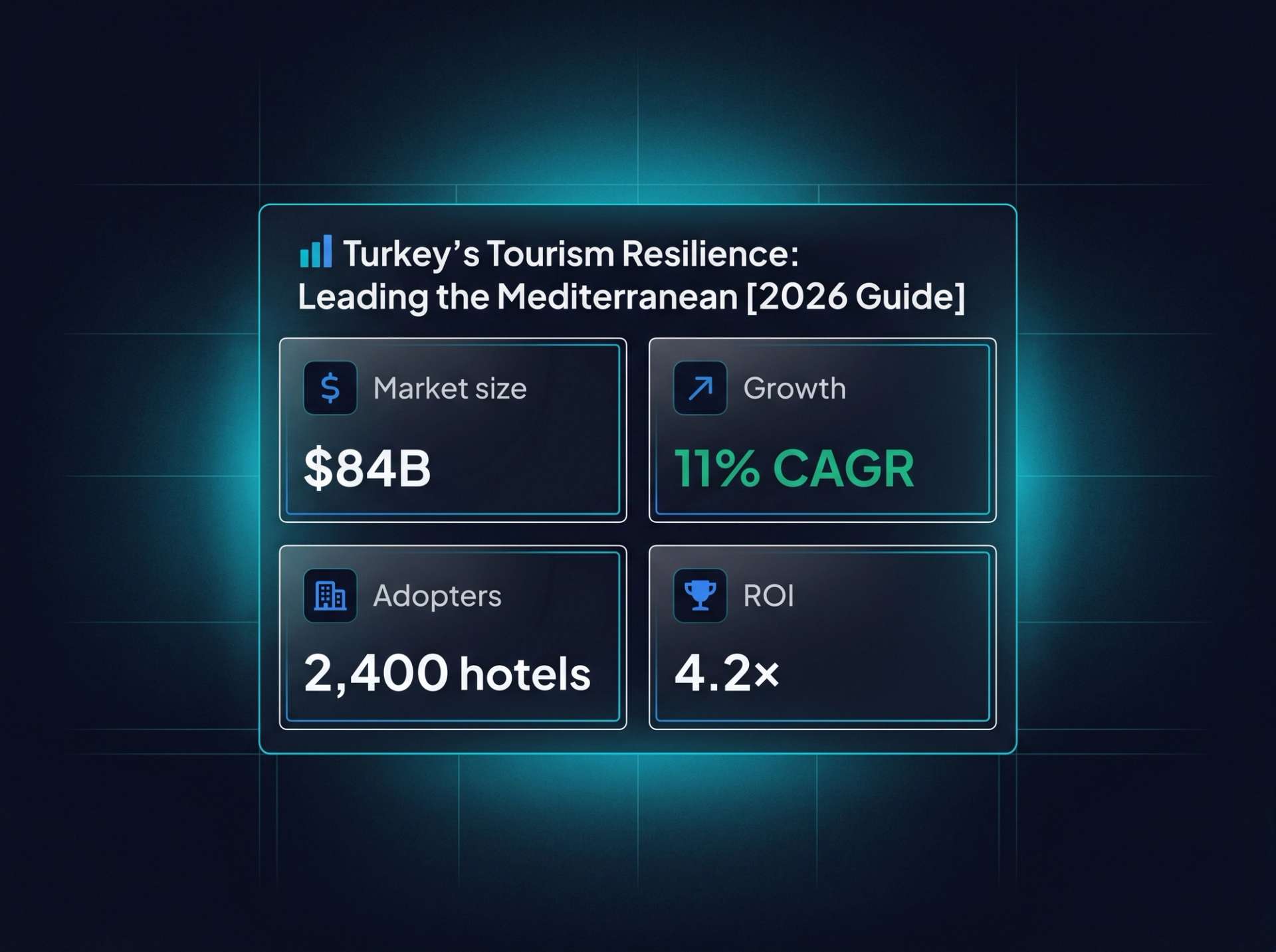
  <img src="https://cdn.sanity.io/images/1la98t0z/production/fcba431a0e2db4e63cc1696073c4969e05acecd2-2400x1792.jpg" alt="Four-tile macro stat block. $84B market size, 11% CAGR growth, 2,400 adopting hotels, 4.2× ROI." width="800" />
</a>
<p>Source: <a href="https://otelciro.com">OtelCiro</a> — AI Hotel Revenue Management</p>
The Mediterranean Slows, Turkey Grows
Data from the first quarter of 2026 reveals a clear trend: while traditional tourism destinations in the Mediterranean basin face contracting demand, Turkey is consolidating its position as the 6th most visited country in the world. This resilience is not accidental—it is a combination of structural advantages, strategic investments, and a shifting tourist profile.
Global tourism spending is expected to reach $2.1 trillion in 2026. Taking a share of this growing pie requires a focus not just on beach tourism, but on a diversified product portfolio and smart revenue management.
Mediterranean Competitive Map: 2026 Data
| Country | 2025 Tourists (M) | 2026 Target (M) | Change | Avg. Spend/Tourist |
|---|---|---|---|---|
| France | 89.4 | 87.2 | -2.5% | $720 |
| Spain | 85.1 | 84.5 | -0.7% | $1,080 |
| Italy | 57.2 | 56.8 | -0.7% | $960 |
| Turkey | 38.6 | 40.5+ | +4.9% | $850 |
| Greece | 33.1 | 32.4 | -2.1% | $780 |
| Croatia | 19.8 | 19.2 | -3.0% | $920 |
| Egypt | 14.9 | 15.8 | +6.0% | $640 |
| Portugal | 17.0 | 16.7 | -1.8% | $880 |
Key Findings:
- A slight but significant downward trend is visible in France, Spain, and Greece.
- Turkey and Egypt are the only two countries in the Mediterranean basin showing positive growth.
- Turkey's spend per tourist ($850) shows a consistent upward trend.
Embed this image on your site
<a href="https://otelciro.com/en/news/turkey-s-tourism-resilience-leading-the-mediterranean-2026-guide">
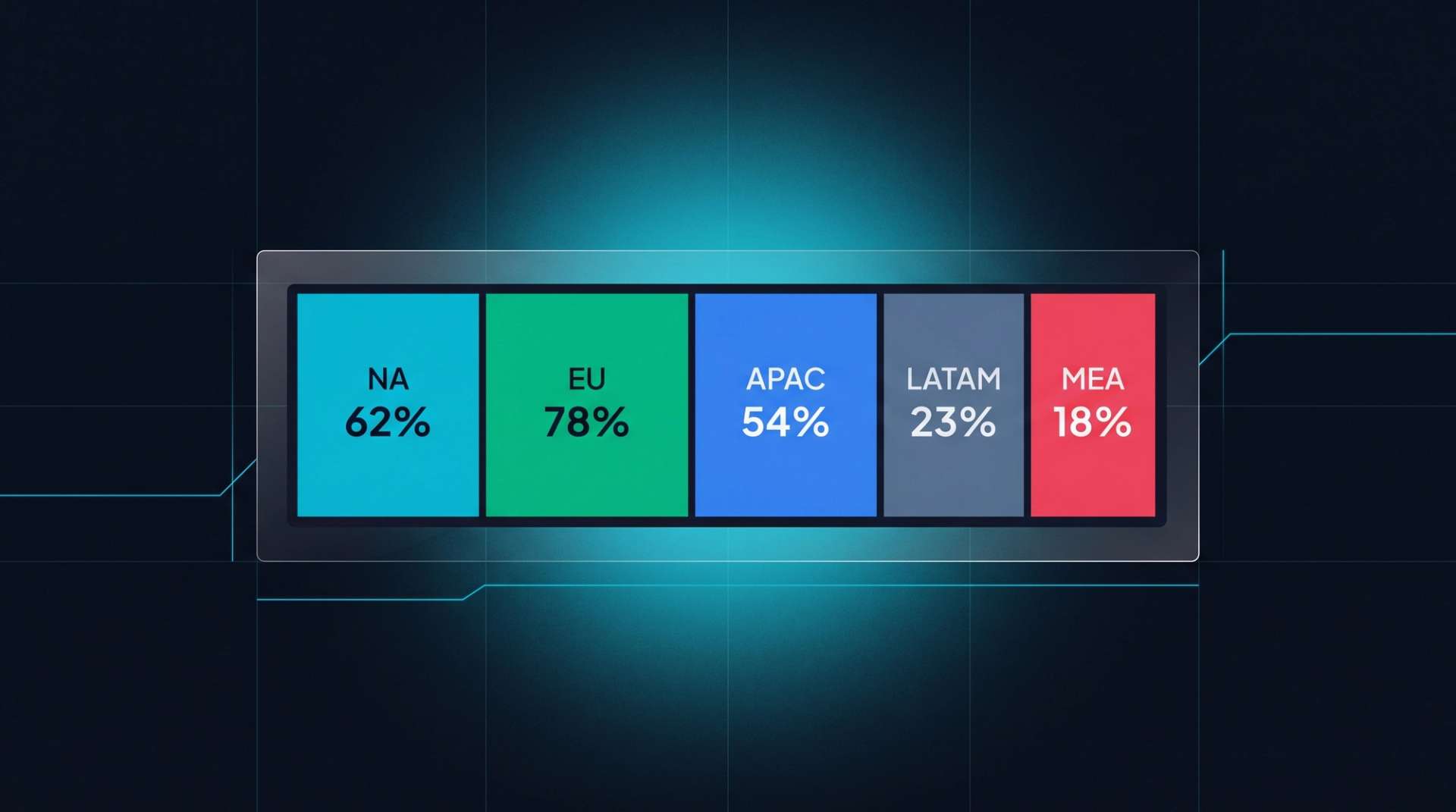
  <img src="https://cdn.sanity.io/images/1la98t0z/production/b433bde75fb0102a021a01aaf1de6e64a5e5375b-2752x1536.jpg" alt="Regional adoption heatmap. NA 62%, EU 78%, APAC 54%, LATAM 23%, MEA 18%." width="800" />
</a>
<p>Source: <a href="https://otelciro.com">OtelCiro</a> — AI Hotel Revenue Management</p>
Turkey's Structural Advantages
1. Price-to-Value Ratio
The Euro/TL exchange rate makes Turkey exceptionally attractive for European tourists. For the same budget that covers a 3-star hotel in Spain, a tourist can enjoy a 5-star all-inclusive experience in Turkey. This price advantage is a powerful magnet, particularly for demand from German, British, and Dutch markets.
| Comparison (7 Nights, 2 People) | Spain | Greece | Turkey |
|---|---|---|---|
| 4-5 Star Hotel (B&B) | €1,400 | €1,250 | €780 |
| Dining (Daily) | €120 | €100 | €55 |
| Activities (Weekly) | €350 | €280 | €180 |
| Total | €2,590 | €2,230 | €1,395 |
2. Diversified Product Portfolio
Turkey’s greatest strength is its independence from a single tourism type:
- Beach Tourism: Antalya, Muğla, İzmir — the longest coastline in the Mediterranean.
- Cultural Tourism: Istanbul, Cappadocia, Ephesus — destinations in demand 12 months a year.
- Health Tourism: Aesthetics, thermal, and dental tourism — generating $2.5B+ in annual revenue.
- Gastronomy Tourism: A culinary culture featured on the UNESCO Intangible Cultural Heritage list.
- MICE (Meetings, Incentives, Conferences, Exhibitions): Istanbul’s increasing convention center capacity.
3. Ramadan and Easter Synergy Effect
In 2026, the proximity of Ramadan (February 28 - March 30) and Easter (April 5) created a unique opportunity for an early season revival:
- Domestic tourism demand surged following the Eid al-Fitr holiday (March 31 - April 2).
- European demand spiked with the Easter break (April 3-6).
- The overlapping of these two holiday periods increased March-April occupancy rates by 15-20%.
This synergy transformed the March-April period, usually considered low season, into a mid-to-high season. This effect was felt most prominently in Cappadocia, Istanbul, and the Aegean coasts.
Destination-Based Performance Analysis
Istanbul: The Culture and MICE Engine
Istanbul remains one of the few Mediterranean cities in demand year-round. Trends for 2026 include:
- Average Daily Rate (ADR): €95-120 (City center, 4-5 stars).
- RevPAR Growth: +8.2% (Annual, Q1 2026).
- MICE Tourism: Over 45 international congresses planned for 2026.
- Short-Haul Connectivity: Direct flights to 35+ European cities.
Cappadocia: Premium Experience Destination
Cappadocia is one of Turkey’s most profitable destinations, utilizing a low-volume, high-value model:
- Average Daily Rate (ADR): €180-250 (Boutique/Cave hotels).
- Occupancy: 78% (Annual average, 20% higher than the Turkey average).
- Tourist Profile: High spending capacity, experience-oriented.
- Season Length: Active 10-11 months a year thanks to balloon tourism.
Antalya: The Volume Leader
Antalya continues to be Turkey's champion in tourist volume, though its revenue management is becoming increasingly sophisticated:
- 2025 Tourist Arrivals: 16.2 million (42% of Turkey’s total).
- All-Inclusive Evolution: Shifting toward a "Premium All-Inclusive" model through segmentation.
- Market Balance: Strategic balancing between its two main source markets, Russia and Germany.
- New Segment: Long-stay packages tailored for digital nomads.
Strategic Recommendations for Hoteliers
1. Season Extension Strategy
Leverage Turkey’s price advantage during periods when Mediterranean competitors weaken (November-March):
- Create winter packages (Culture + Gastronomy + Thermal).
- Offer digital nomad packages (30+ nights, including workspace).
- Launch early booking campaigns as early as October.
2. Source Market Diversification
To reduce dependency on Russia and Germany:
- Gulf Market (GCC): High spending capacity, focused on Ramadan and summer demand.
- Far East: South Korea and Japan — focused on cultural tourism.
- Latin America: Brazil and Argentina — emerging and growing source markets.
- USA: Premium segment, focused on Istanbul and Cappadocia.
3. Revenue Management Optimization
The contraction of demand in the rest of the Mediterranean makes it essential to handle the redirected demand to Turkey efficiently:
- Dynamic Pricing: Daily competitor analysis and automated price adjustments.
- Segment-Based Strategy: Specific pricing and package structures for each source market.
- Channel Optimization: Targeting a direct channel share of over 35%.
- Long-term Forecasting: Proactive pricing based on demand outlooks 90+ days in advance.
Outlook for the Second Half of 2026
| Indicator | Expectation | Impact |
|---|---|---|
| Euro/TL Exchange Rate | Stable or slight improvement for TL | Price advantage will be maintained |
| New Airport Capacities | Antalya and Dalaman expansions | Accessibility will increase |
| Visa Facilitation | Expansion of E-visa program | Demand from new markets |
| Mediterranean Rival Performance | Flat or declining | Shift toward Turkey will continue |
| Domestic Tourism | Holiday and break scheduling | Support for shoulder seasons |
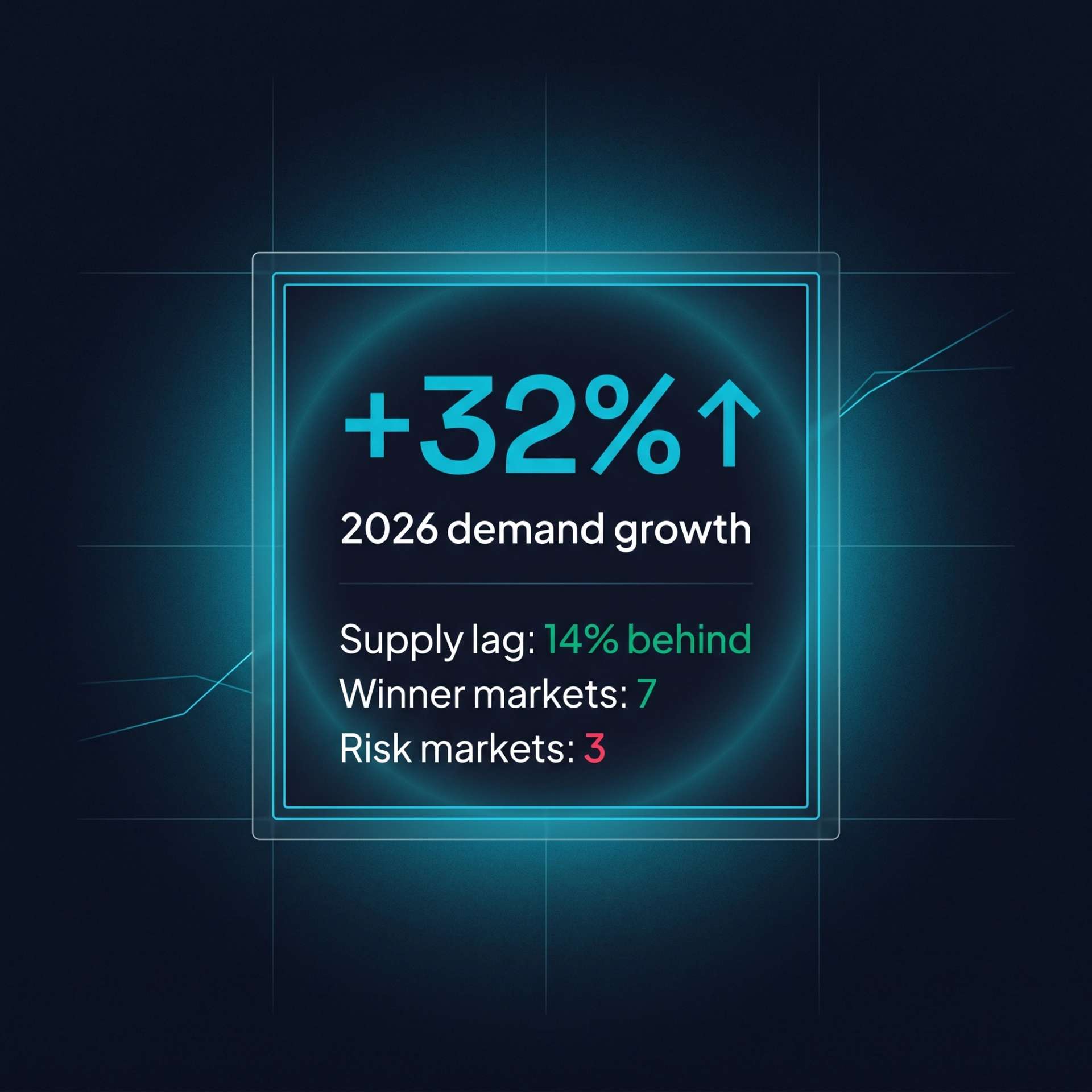
Embed this image on your site
<a href="https://otelciro.com/en/news/turkey-s-tourism-resilience-leading-the-mediterranean-2026-guide">
  <img src="https://cdn.sanity.io/images/1la98t0z/production/144ed0893bc8f577413e272b69a14533cace4bbc-2048x2048.jpg" alt="2026 forecast tile. +32% demand growth headline with sub-rows: supply lag 14%, 7 winner markets, 3 risk markets." width="800" />
</a>
<p>Source: <a href="https://otelciro.com">OtelCiro</a> — AI Hotel Revenue Management</p>
Conclusion: Turning Resilience into Strategy
Turkey’s tourism resilience is rooted in structural advantages, but converting these advantages into revenue depends on smart revenue management. When additional demand shifts to Turkey while the Mediterranean contracts, it can lead to low profitability rather than opportunity if not priced correctly.
In a country welcoming over 40 million tourists, extracting maximum value from every guest is no longer a luxury—it is a necessity. Is your revenue management infrastructure ready for this challenge?
![Europe's Hotel Construction Boom: 2026 Oversupply Risks [Market Analysis]](https://cdn.sanity.io/images/1la98t0z/production/6dfe59137f56aa14bfcba86d9db3cf05ff89f406-2752x1536.jpg?w=1920&q=50&auto=format&fit=max)