
Key Takeaways
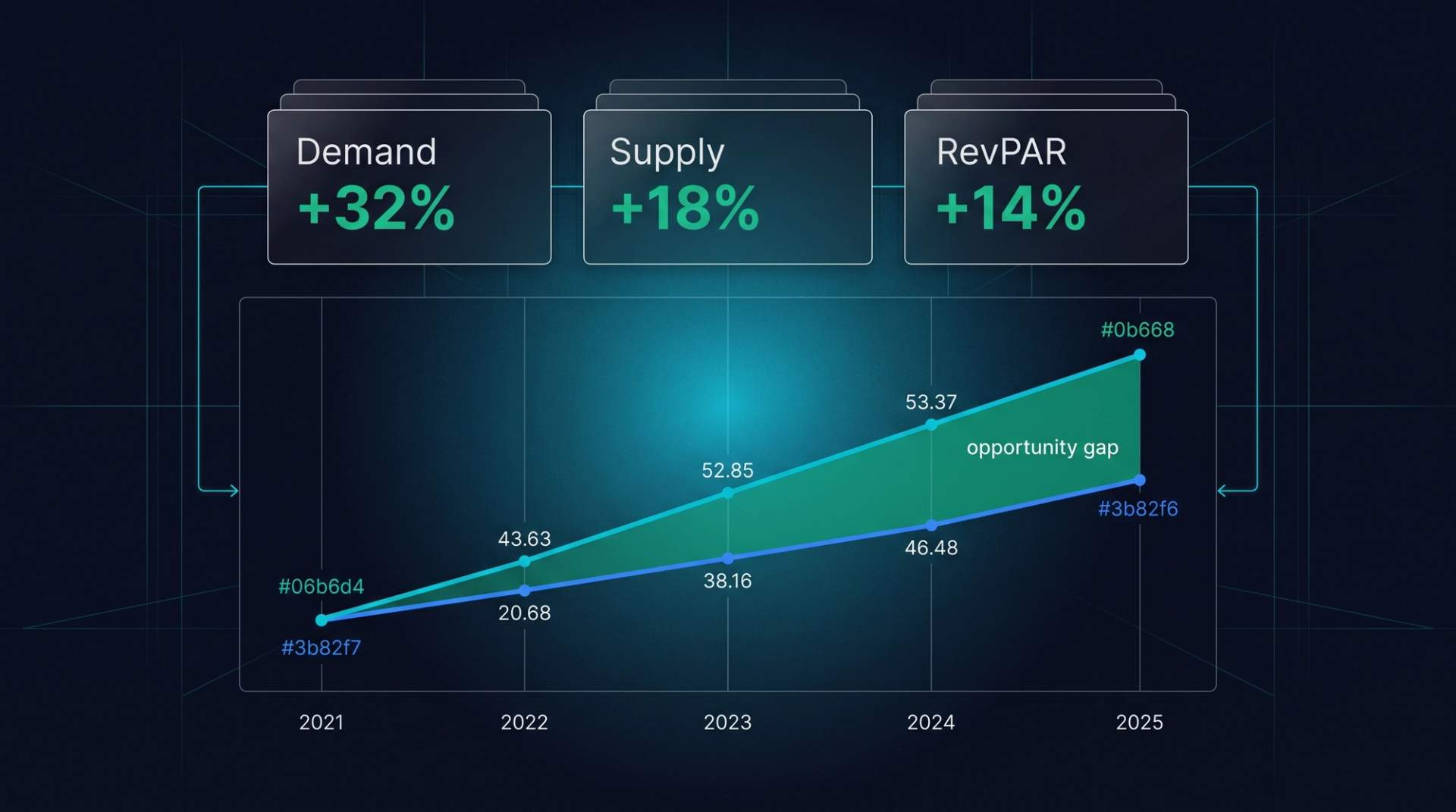
- Europe's hotel construction pipeline exceeds 285,000 rooms, 18% above pre-pandemic levels, with London, Berlin, and Madrid leading the growth.
- Cities like Berlin face significant oversupply risks, with a projected 18.9% increase in room supply and a RevPAR forecast to drop by 9.8% by the end of 2026.
- The midscale and upper-midscale segments are most vulnerable to increased competition, while luxury and boutique hotels are relatively protected.
- Hotels must adopt proactive strategies, including dynamic pricing, robust direct channel investment, segment differentiation, and operational efficiency to navigate the oversupply.
- Total Revenue Management (TRevPAR) is vital; optimizing non-room revenue streams can offset declines in RevPAR, with 62% of hotels reporting increased total revenue despite room revenue drops.
Embed this image on your site
<a href="https://otelciro.com/en/news/europe-s-hotel-construction-boom-2026-oversupply-risks-market-analysis">
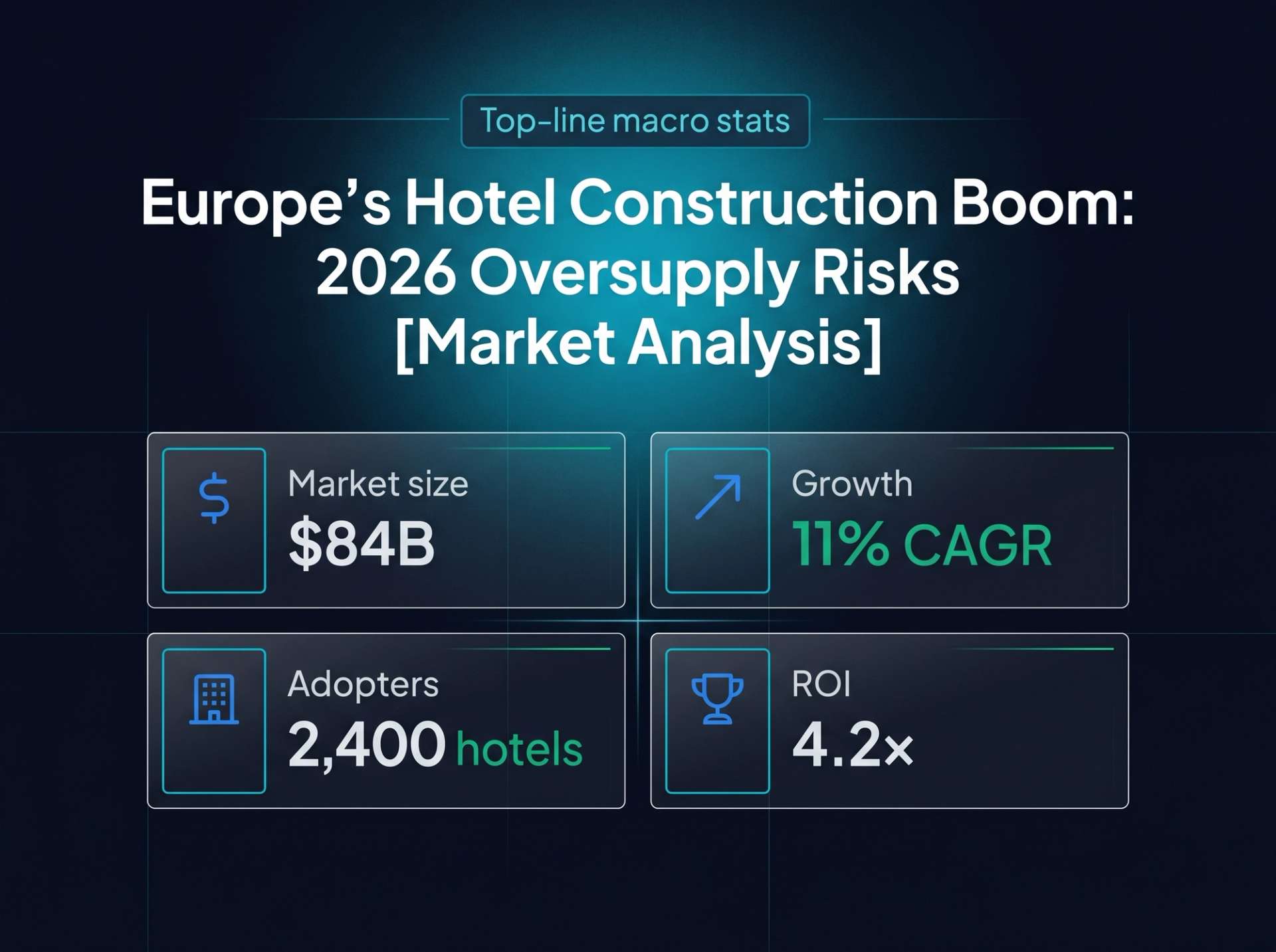
  <img src="https://cdn.sanity.io/images/1la98t0z/production/1ecc1a8d72762ed6cfef815fbd8dc2928cab2bee-2400x1792.jpg" alt="Four-tile macro stat block. $84B market size, 11% CAGR growth, 2,400 adopting hotels, 4.2× ROI." width="800" />
</a>
<p>Source: <a href="https://otelciro.com">OtelCiro</a> — AI Hotel Revenue Management</p>
Hotel Construction Wave in the European Market
As of 2026, the European hotel sector faces its largest construction wave in a decade. According to STR data, the total hotel construction pipeline on the continent exceeds 285,000 rooms, surpassing pre-pandemic levels by 18%. London, Berlin, and Madrid stand out as the leading cities driving this growth.
So, what does this construction boom mean for existing hotels? How significant is the risk of oversupply, and how can hoteliers protect themselves from this wave?
City-Specific Construction Data
The hotel construction pipeline in Europe's three largest markets reveals striking figures:
| City | Planned New Rooms | Existing Supply (Rooms) | Supply Increase (%) | Estimated Delivery Year |
|---|---|---|---|---|
| London | 22,400 | 165,000 | %13.6 | 2026–2029 |
| Berlin | 14,800 | 78,500 | %18.9 | 2026–2028 |
| Madrid | 9,200 | 52,000 | %17.7 | 2026–2028 |
| Paris | 11,600 | 120,000 | %9.7 | 2027–2029 |
| Istanbul | 8,900 | 95,000 | %9.4 | 2026–2028 |
Berlin is positioned as the market with the highest risk, with an 18.9% increase relative to its existing supply. Madrid follows in second place with 17.7%.
Embed this image on your site
<a href="https://otelciro.com/en/news/europe-s-hotel-construction-boom-2026-oversupply-risks-market-analysis">
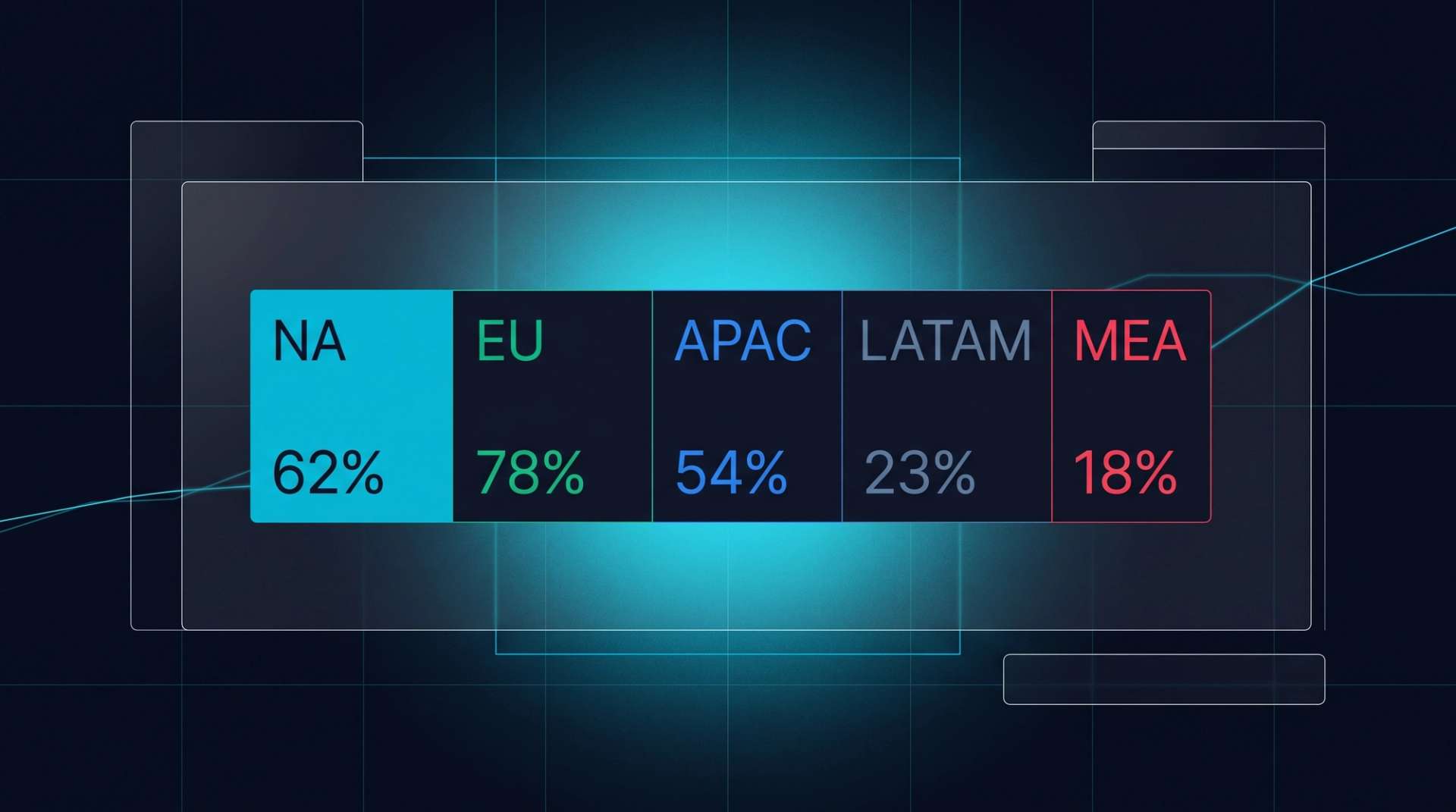
  <img src="https://cdn.sanity.io/images/1la98t0z/production/3b70b00ba8f5eb4d9f0cb665a871e4d7a6c5c21a-2752x1536.jpg" alt="Regional adoption heatmap. NA 62%, EU 78%, APAC 54%, LATAM 23%, MEA 18%." width="800" />
</a>
<p>Source: <a href="https://otelciro.com">OtelCiro</a> — AI Hotel Revenue Management</p>
Supply-Demand Imbalance Risk
Demand-Side Indicators
While international travel demand for Europe appears strong, whether it can match the increase in supply is debatable. In 2025, the average hotel occupancy rate across Europe reached 72.4% — still below the pre-pandemic average of 74.1%.
According to ForwardKeys data, flight bookings to Europe for 2026 show a 6.2% year-over-year increase. However, this growth significantly lags behind the 15–19% supply expansion in some cities.
Pressure on RevPAR
The risk of oversupply is most keenly felt in RevPAR (revenue per available room) and ADR (average daily rate) metrics:
| Metric | 2024 | 2025 | 2026 Forecast | Change |
|---|---|---|---|---|
| Europe Average RevPAR | €89.20 | €92.40 | €88.70 | -%4.0 |
| London ADR | £168 | £174 | £165 | -%5.2 |
| Berlin RevPAR | €72.50 | €75.80 | €68.40 | -%9.8 |
| Madrid ADR | €112 | €118 | €109 | -%7.6 |
In Berlin, RevPAR is expected to drop by 9.8% by the end of 2026 — an indication that new supply is significantly outpacing demand growth.
Segment-Based Impact Analysis
The impact of oversupply will not affect all segments equally. The majority of hotels in the construction pipeline (64%) are concentrated in the midscale and upper-midscale segments.
Most Affected Segments
- Midscale: 38% of new hotels opening are in this segment. Price competition will be fiercest here.
- Upper-Midscale: Second with a 26% share. Business travel hotels, especially in city centers, will be under pressure.
- Economy: 19% share. Dual competition with Airbnb and alternative accommodations.
Relatively Protected Segments
- Luxury segment: Only 8% of the construction pipeline. Limited supply and a loyal customer base are protective factors.
- Boutique and lifestyle hotels: Unique experience-driven positioning protects them from price wars.
Survival Strategies for Existing Hotels
1. Proactive Approach with Dynamic Pricing
During periods of oversupply, static pricing can be fatal. A revenue management system that monitors competitor hotel openings and updates demand forecasts in real-time is no longer a luxury but a necessity.
AI-powered revenue management platforms like OtelCiro automatically detect the entry of new competitors into the market, proactively adjusting your pricing strategy. A Berlin hotel managed to increase its RevPAR by 4.2% in 2025 through dynamic pricing, despite the opening of a competing hotel.
2. Direct Channel Investment
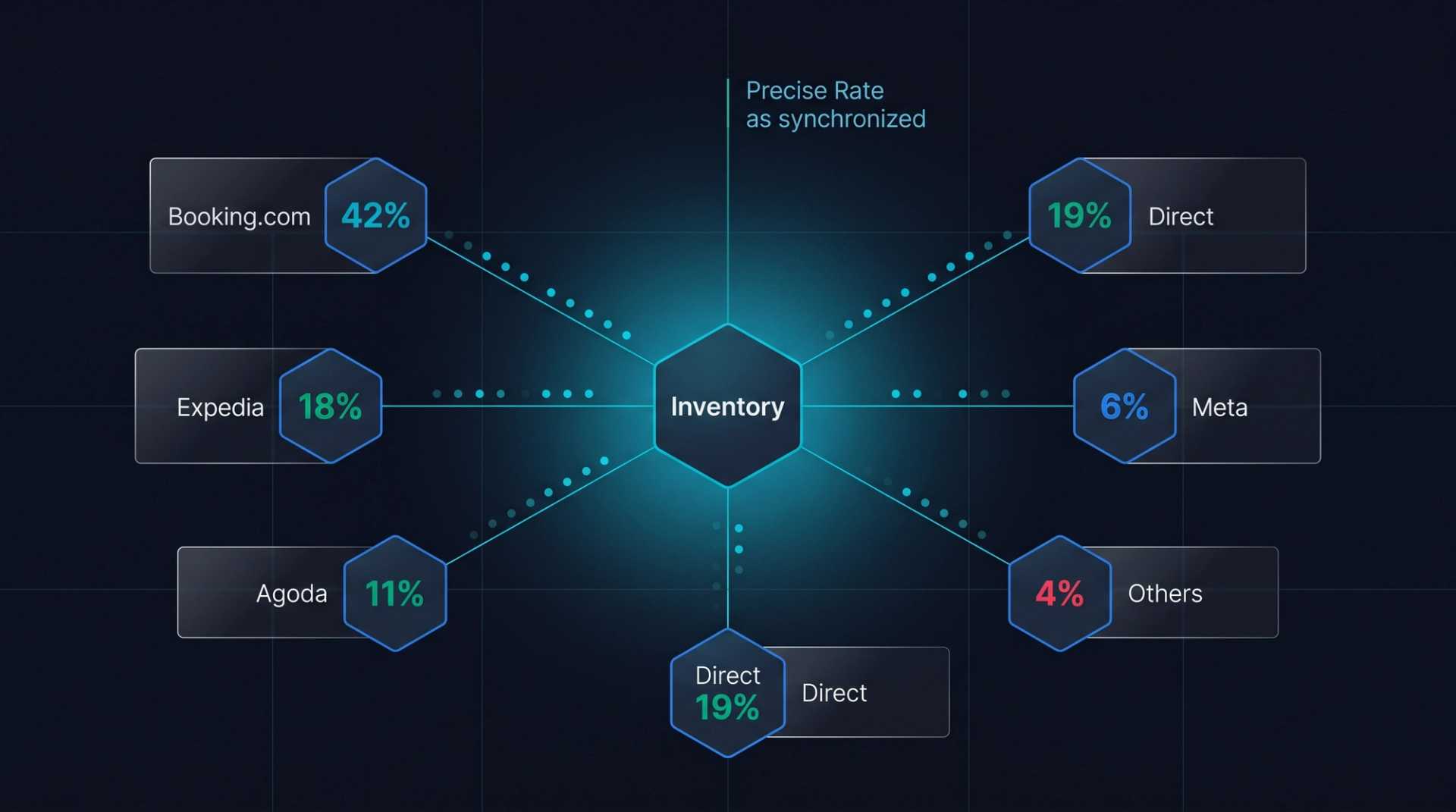
During oversupply, OTA commissions erode profitability. Hotels that increase their direct booking rate above 35% are 40% less affected by RevPAR declines.
Direct channel strategies:
- Loyalty programs and member discounts
- Website booking engine optimization
- Metasearch investment (Google Hotel Ads, Trivago)
- Personalized offers with CRM
3. Segment Differentiation
Given that newly opened chains often offer standard products, differentiation is crucial for existing hotels:
- Experience packages: Combinations of accommodation + local experiences
- Long-stay products: Special rates for the 7+ night segment
- Meeting and event revenue: Increasing F&B and meeting room revenues
- Wellbeing and spa concepts: Cross-selling with health tourism
4. Operational Efficiency
Cost optimization is essential for hotels under revenue pressure to maintain their GOP (gross operating profit) margins:
| Operational Area | Potential Savings | Implementation Time |
|---|---|---|
| Energy management (IoT) | %15–22 | 3–6 months |
| AI-powered staff scheduling | %8–12 | 1–3 months |
| Digital check-in/out | %5–8 (front desk cost) | 1–2 months |
| Supply chain optimization | %6–10 | 2–4 months |
5. Total Revenue Management (TRevPAR)
When room revenue is under pressure, optimizing non-room revenue sources becomes vital. F&B, spa, parking, meeting room, and ancillary service revenues can offset RevPAR declines.
Across Europe, 62% of hotels implementing TRevPAR optimization reported an increase in total revenue despite decreases in room revenue.
Lessons for Turkey
Although the Turkish hotel market is not experiencing as aggressive a construction wave as Europe, the 9.4% supply increase in Istanbul should be closely monitored. Hotels making investment decisions, especially before the 2026 FIFA World Cup, need to account for demand normalization after the tournament.
What Turkish hoteliers should do now:
- Monitor competitor hotel opening schedules
- Establish or update dynamic pricing infrastructure
- Increase direct channel ratio above 30%
- Define segment-based differentiation strategies

Embed this image on your site
<a href="https://otelciro.com/en/news/europe-s-hotel-construction-boom-2026-oversupply-risks-market-analysis">
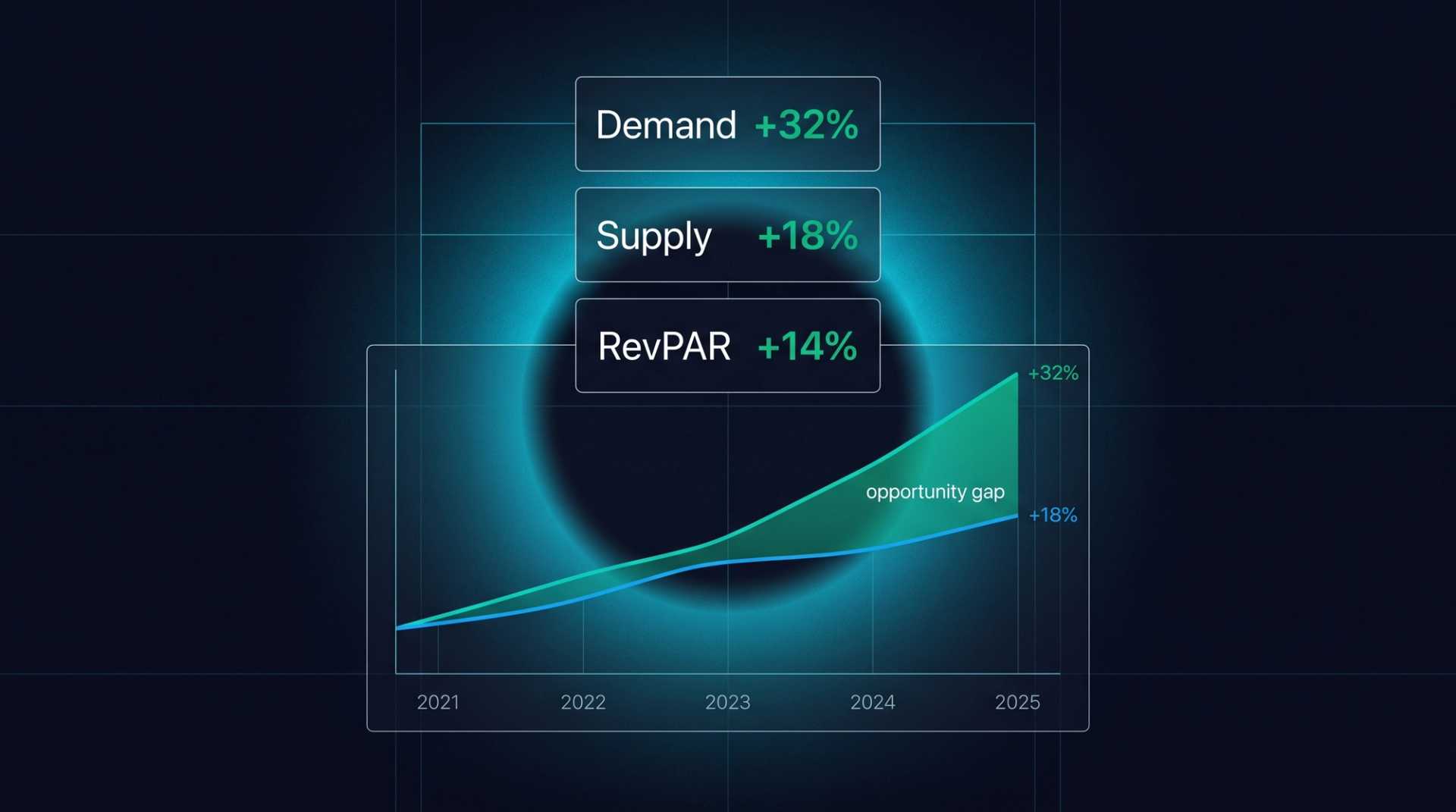
  <img src="https://cdn.sanity.io/images/1la98t0z/production/b66a14c164aa748924d174c2213ace70ddd9f105-2048x2048.jpg" alt="2026 forecast tile. +32% demand growth headline with sub-rows: supply lag 14%, 7 winner markets, 3 risk markets." width="800" />
</a>
<p>Source: <a href="https://otelciro.com">OtelCiro</a> — AI Hotel Revenue Management</p>
Conclusion
Europe's hotel construction boom poses a serious supply risk for existing hotels. However, this risk can be managed with the right strategies. Dynamic pricing, direct channel investment, segment differentiation, and operational efficiency — these four pillars are key to survival during periods of oversupply.
Data-driven revenue management is no longer a competitive advantage but a fundamental survival tool. Hotels that prepare now, rather than waiting for the supply wave to pass, will be on the winning side.
![Booking.com Connected Trip: Direct Booking Threat [2026 Strategy Guide]](https://cdn.sanity.io/images/1la98t0z/production/670df14f82eaa17abe5c0fb73daf414e1b43a35c-2752x1536.jpg?w=1920&q=50&auto=format&fit=max)