Key Takeaways
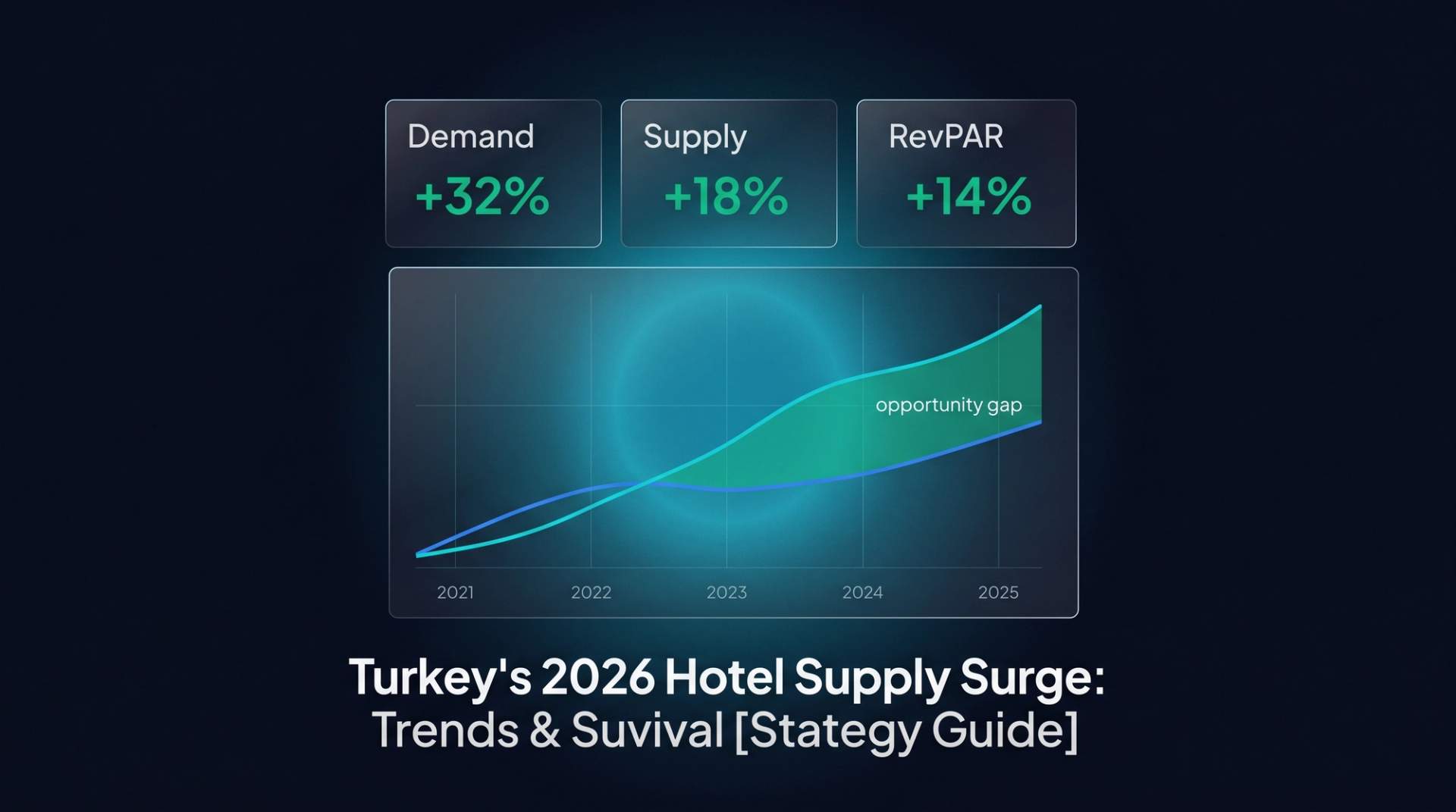
- A historic 354 new hotels and 70,000 beds will enter the Turkish market by the end of 2026.
- Projected supply growth (9-10%) is expected to outpace demand growth (7%), creating a risk of a 2-3 point drop in occupancy.
- Ultra-luxury all-inclusive resorts in Antalya face the highest risk, with potential ADR pressure between -8% and -12%.
- Success in this competitive landscape requires AI-driven dynamic pricing and a shift toward Total Revenue Management (TRevPAR).
- Properties with direct booking ratios above 40% will maintain a significant competitive advantage.
Embed this image on your site
<a href="https://otelciro.com/en/news/turkey-s-2026-hotel-supply-surge-trends-survival-strategy-guide">
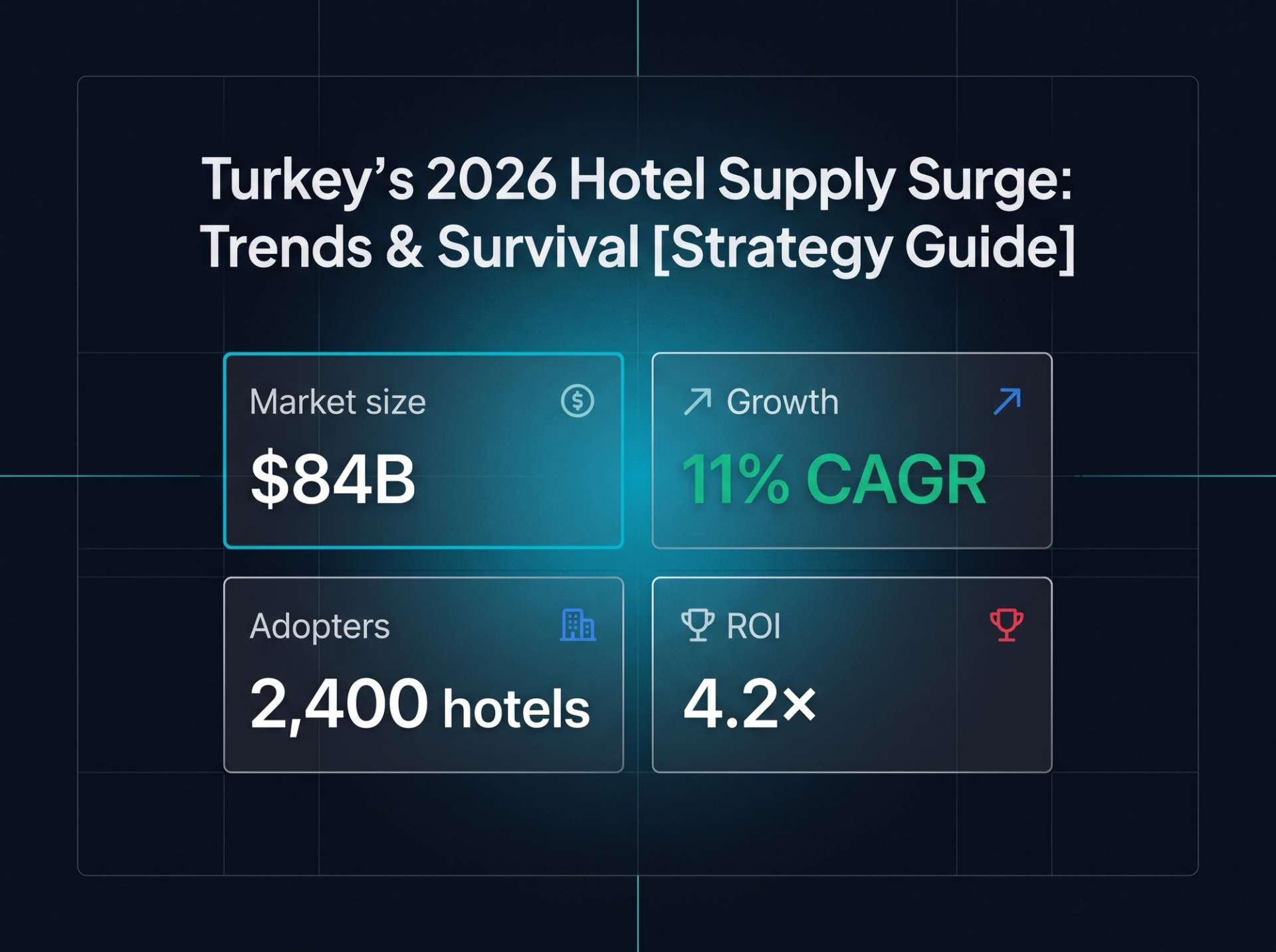
  <img src="https://cdn.sanity.io/images/1la98t0z/production/ae0364661ec6b6bb9adf48cac4187965cb7628be-2400x1792.jpg" alt="Four-tile macro stat block. $84B market size, 11% CAGR growth, 2,400 adopting hotels, 4.2× ROI." width="800" />
</a>
<p>Source: <a href="https://otelciro.com">OtelCiro</a> — AI Hotel Revenue Management</p>
A Historic Supply Wave in the Turkish Hotel Market
The year 2026 is poised to be a turning point for the Turkish tourism sector. According to data from the Ministry of Culture and Tourism, 354 new hotels will be operational by the end of the year, adding approximately 70,000 beds to the industry. This figure represents the largest single-year supply increase in the last decade.
But for whom is this massive supply wave an opportunity, and for whom is it a threat? More importantly, how will existing operators survive in this new competitive environment?
Geographical Distribution of New Hotels
The majority of new openings are concentrated in expected regions:
| Region | Number of New Hotels | Bed Capacity | Segment |
|---|---|---|---|
| Antalya (Belek, Kemer, Alanya) | 127 | ~28,000 | Ultra-luxury all-inclusive |
| Aegean Coast (Bodrum, Cesme, Fethiye) | 84 | ~15,000 | Boutique & luxury |
| Istanbul | 52 | ~9,500 | City & business |
| Cappadocia | 31 | ~4,200 | Boutique & experiential |
| Eastern Mediterranean (Mersin, Hatay) | 28 | ~5,800 | Mid-scale |
| Other | 32 | ~7,500 | Mixed |
A notable detail: the Antalya region alone accounts for 36% of the new supply. For Summer 2026, 8 ultra-luxury all-inclusive resorts are scheduled to open specifically in Belek and Kemer.
Embed this image on your site
<a href="https://otelciro.com/en/news/turkey-s-2026-hotel-supply-surge-trends-survival-strategy-guide">
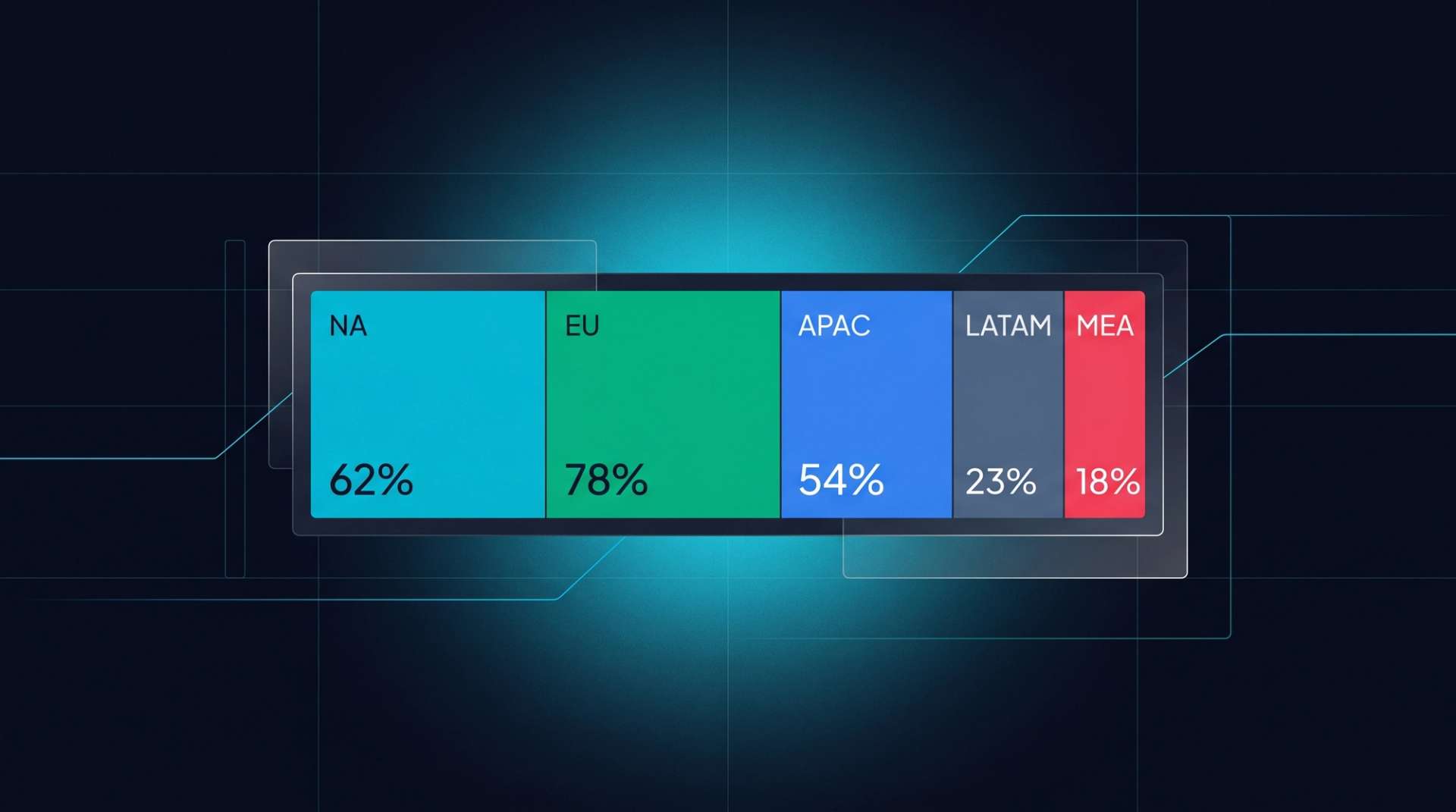
  <img src="https://cdn.sanity.io/images/1la98t0z/production/33d5dcc6e2f0787f59db47fcee7f4fa420ef3772-2752x1536.jpg" alt="Regional adoption heatmap. NA 62%, EU 78%, APAC 54%, LATAM 23%, MEA 18%." width="800" />
</a>
<p>Source: <a href="https://otelciro.com">OtelCiro</a> — AI Hotel Revenue Management</p>
Supply Pressure: The True Story Behind the Numbers
New supply is not a problem in isolation—the issue arises when supply growth is disproportionate to demand growth. In 2025, the number of tourists visiting Turkey was around 56 million. The 2026 target is 60 million. This represents a demand increase of approximately 7%.
However, the increase in bed capacity is around 9-10%. Simple mathematics suggests a risk of a 2-3 point decrease in average occupancy rates.
Risk Analysis by Segment
Not every segment will be equally affected by this pressure:
High Risk — Ultra-Luxury All-Inclusive:
- 8 new ultra-luxury properties in Antalya directly threaten the pricing power of existing premium hotels.
- Demand elasticity in this segment is low—the number of guests is limited, making price competition inevitable.
- Estimated ADR pressure: between -8% and -12%.
Medium Risk — City Hotels:
- The 52 new hotels in Istanbul are balanced by strong demand for convention and business tourism.
- However, there is a risk of micro-oversupply in the Beyoglu and Sisli districts.
- Estimated ADR pressure: between -3% and -6%.
Low Risk — Boutique and Experience-Oriented:
- The Cappadocia and Aegean boutique segments are protected by differentiated products.
- Demand still leads supply—especially in the segment of European travelers seeking unique experiences.
- Estimated ADR pressure: between 0% and -2%.
Winners and Losers
The Winners
1. Properties using digital revenue management. In a high-supply environment, placing the right price on the right channel at the right time is critical. AI-powered Revenue Management Systems (RMS) provide price optimization by updating occupancy forecasts daily. Hotels that adjust prices 48-72 hours ahead of their competitors will minimize RevPAR loss.
2. Hotels transitioning to Total Revenue Management. Properties focusing solely on room rates will suffer the most from supply pressure. Facilities that strategically manage spa, restaurant, activity, and transfer revenues will be able to maintain Total Revenue Per Available Room (TRevPAR) even if room ADR drops.
3. Properties with high direct booking ratios. OTA commissions erode profitability during periods of supply pressure. Hotels with a direct channel ratio above 40% will lead the competition with a net income advantage.
The Losers
1. Existing properties without a pricing strategy. Hotels still pricing via Excel spreadsheets or intuition will be vulnerable to the aggressive introductory rates of new competitors.
2. Older properties that haven't renovated. Hotels opening in 2026 come with modern design, technology, and sustainability standards. Properties that haven't undergone a renovation in 10+ years will struggle to compete in the same price segment.
3. Single-channel dependent hotels. Properties deriving more than 70% of their revenue from a single OTA are in the most fragile position during supply surges.
5 Survival Strategies for Existing Operators
1. Shift to Dynamic Pricing — Immediately
New hotels will certainly offer aggressive rates during their opening periods. Instead of joining this price war, optimize based on demand patterns using AI-supported dynamic pricing. Analyze your own demand rather than just following a competitor's price.
2. Invest in Differentiation
Most of the 354 new hotels will offer standard products. Investing in what differentiates your property—local experience programs, gastronomy concepts, or a wellness focus—is the most effective way to protect against price competition.
3. Reduce OTA Dependency
When supply increases, OTAs often change their ranking algorithms, and commission pressure rises. Strengthen your direct channel strategy before Summer 2026:
- Offer a best price guarantee on your website.
- Launch a loyalty program.
- Increase investment in Google Hotel Ads.
4. Implement Total Revenue Management
Room revenue will be under pressure, but guest spending can be managed holistically. Include spa packages, restaurant upsells, activity bookings, and transfer services within the scope of your revenue management.
5. Strengthen Your Data Infrastructure
Hotels that cannot monitor competitor prices, demand trends, and channel performance in real-time will remain reactive during the 2026 supply wave. Data infrastructure is essential for a proactive strategy.
Long-Term Perspective
While 354 new hotels will create short-term pressure, Turkey's tourism demand remains structurally strong. The 2030 goal of 75 million tourists has the capacity to comfortably absorb both existing and new supply. The critical factor is healthily managing the 2026-2028 transition period.
Hotels that survive this period and strengthen their technological infrastructure will gain a significant competitive advantage after 2028. Properties still handling revenue management through manual processes will either consolidate or lose market share.
Embed this image on your site
<a href="https://otelciro.com/en/news/turkey-s-2026-hotel-supply-surge-trends-survival-strategy-guide">
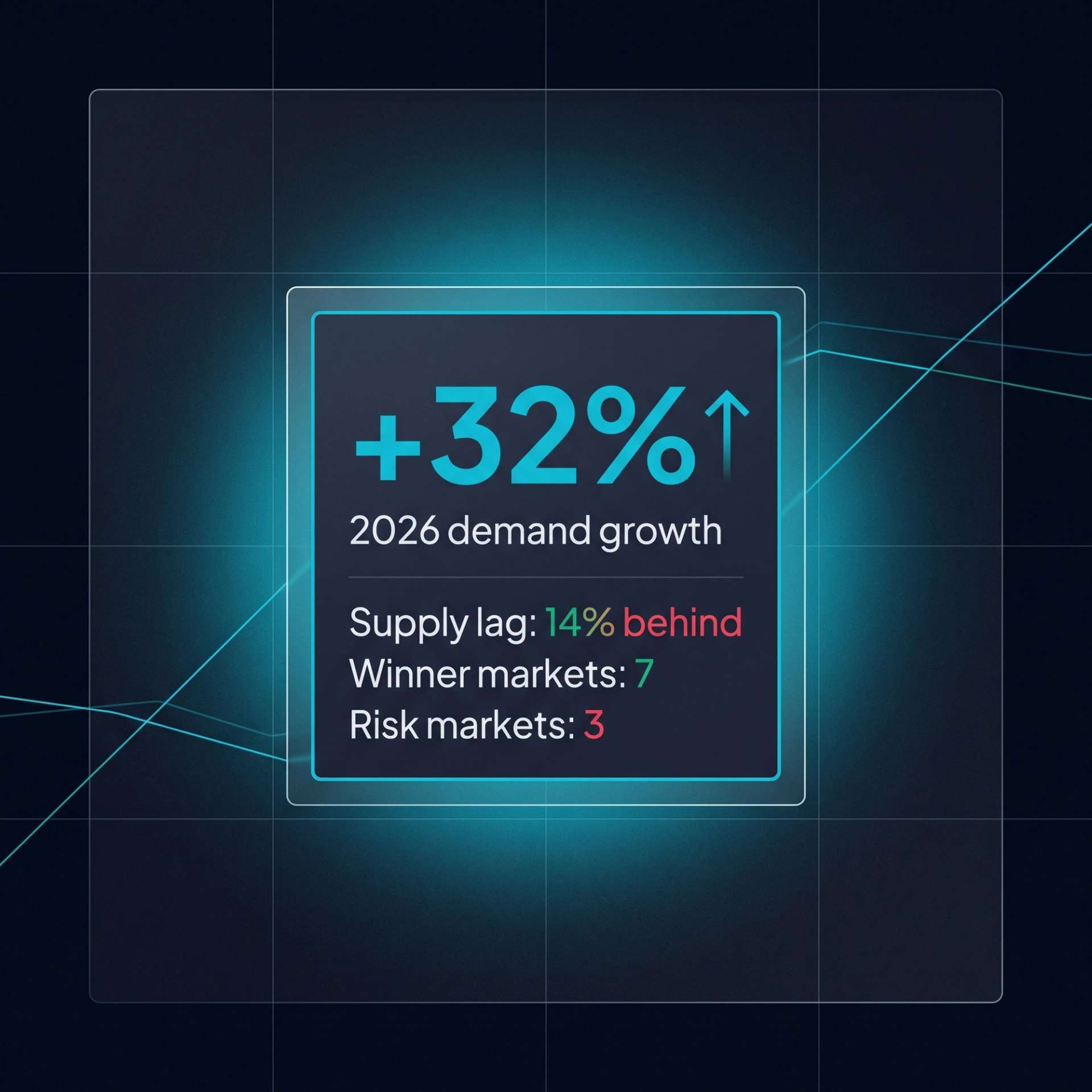
  <img src="https://cdn.sanity.io/images/1la98t0z/production/ae2d6181c964c2c576164a4043d9745d7a2b86e3-2048x2048.jpg" alt="2026 forecast tile. +32% demand growth headline with sub-rows: supply lag 14%, 7 winner markets, 3 risk markets." width="800" />
</a>
<p>Source: <a href="https://otelciro.com">OtelCiro</a> — AI Hotel Revenue Management</p>
Conclusion
The 2026 supply wave will trigger a process of natural selection in the Turkish hotel industry. The winners will be properties that make data-driven decisions, offer differentiated products, and implement Total Revenue Management. The best time to invest in technology is now, before your competitors open their doors.
OtelCiro helps hoteliers protect RevPAR during supply pressure periods with AI-powered revenue management. Request a demo and let's plan your 2026 strategy together.
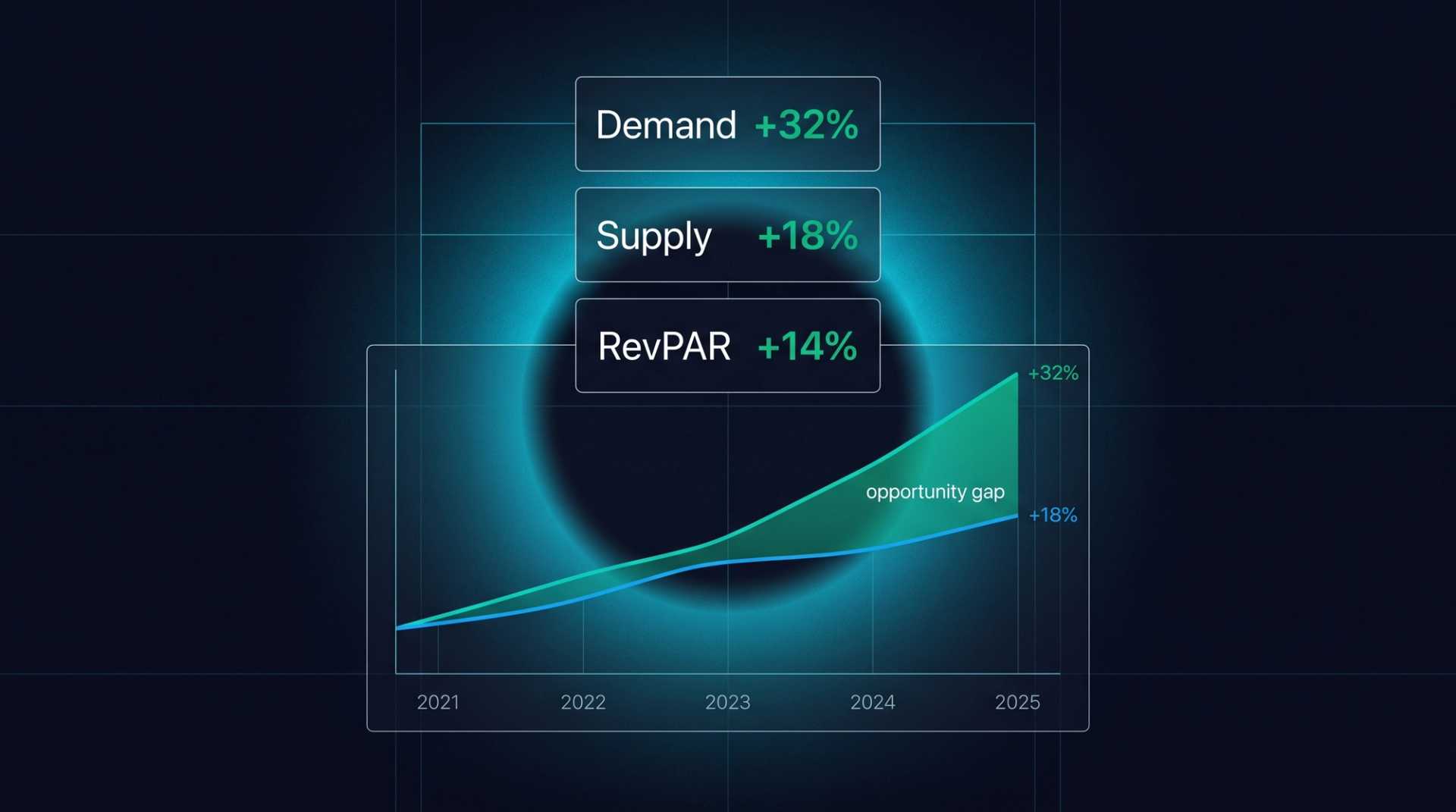
![Europe's Hotel Construction Boom: 2026 Oversupply Risks [Market Analysis]](https://cdn.sanity.io/images/1la98t0z/production/6dfe59137f56aa14bfcba86d9db3cf05ff89f406-2752x1536.jpg?w=1920&q=50&auto=format&fit=max)