Key Takeaways
- AI infrastructure projects are creating a massive surge in long-term workforce accommodation demand globally.
- Target Hospitality’s $500 million contract for 4,000 workers serves as a major benchmark for the industry.
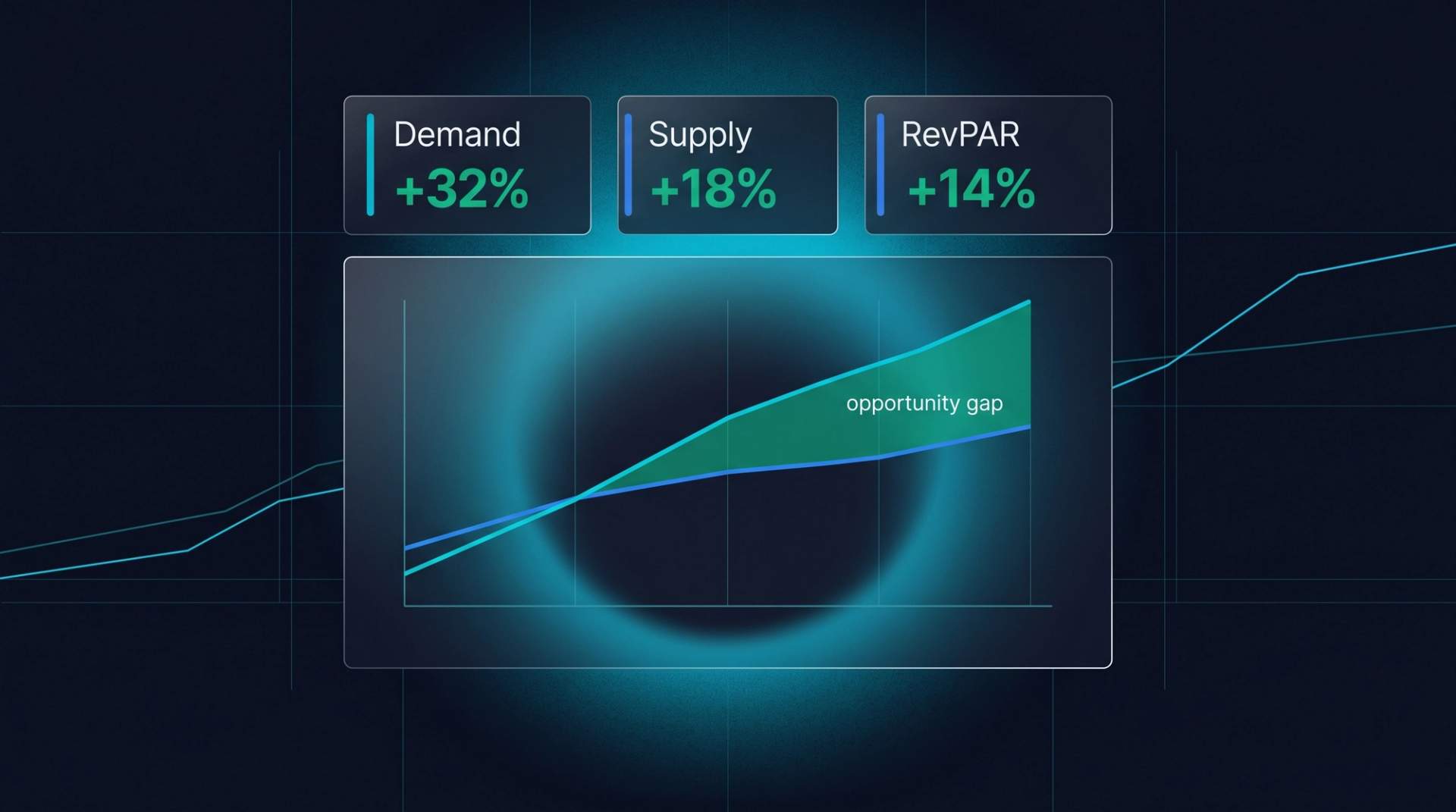
- Unlike traditional business travel, AI-driven demand offers sustainable, predictable occupancy that is independent of tourism seasonality.
- Ancillary services, including F&B and laundry, can account for up to 40% of total revenue in these workforce contracts.
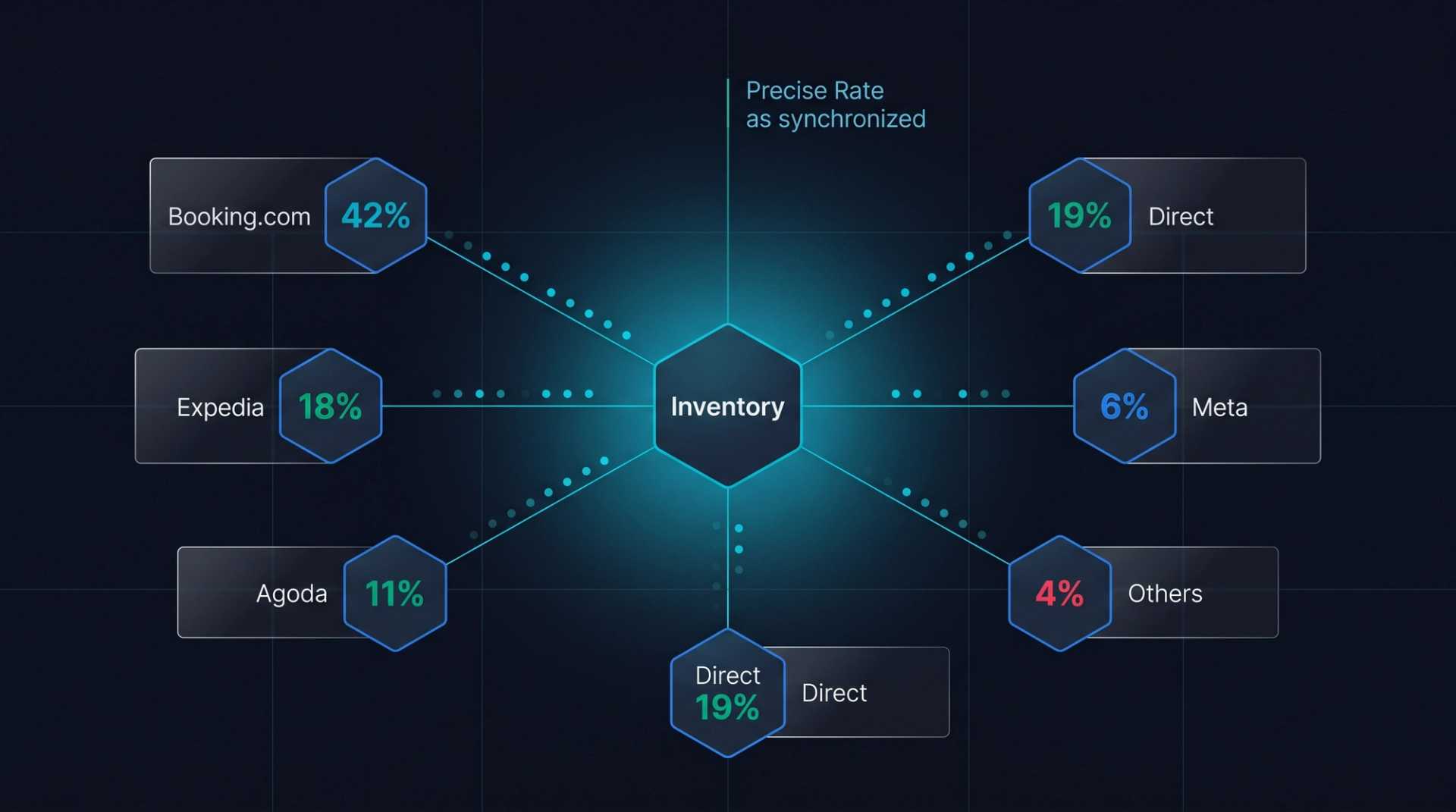
- Strategic hotels are adopting hybrid inventory models to balance long-term corporate contracts with high-margin transient bookings.
Embed this image on your site
<a href="https://otelciro.com/en/news/how-ai-infrastructure-growth-drives-hotel-occupancy-2026-guide">
  <img src="https://cdn.sanity.io/images/1la98t0z/production/c01bb3b414ea7149b4411c68b90e6a154bf47107-2400x1792.jpg" alt="Four-tile macro stat block. $84B market size, 11% CAGR growth, 2,400 adopting hotels, 4.2× ROI." width="800" />
</a>
<p>Source: <a href="https://otelciro.com">OtelCiro</a> — AI Hotel Revenue Management</p>
How AI Infrastructure Investment is Transforming the Hotel Industry
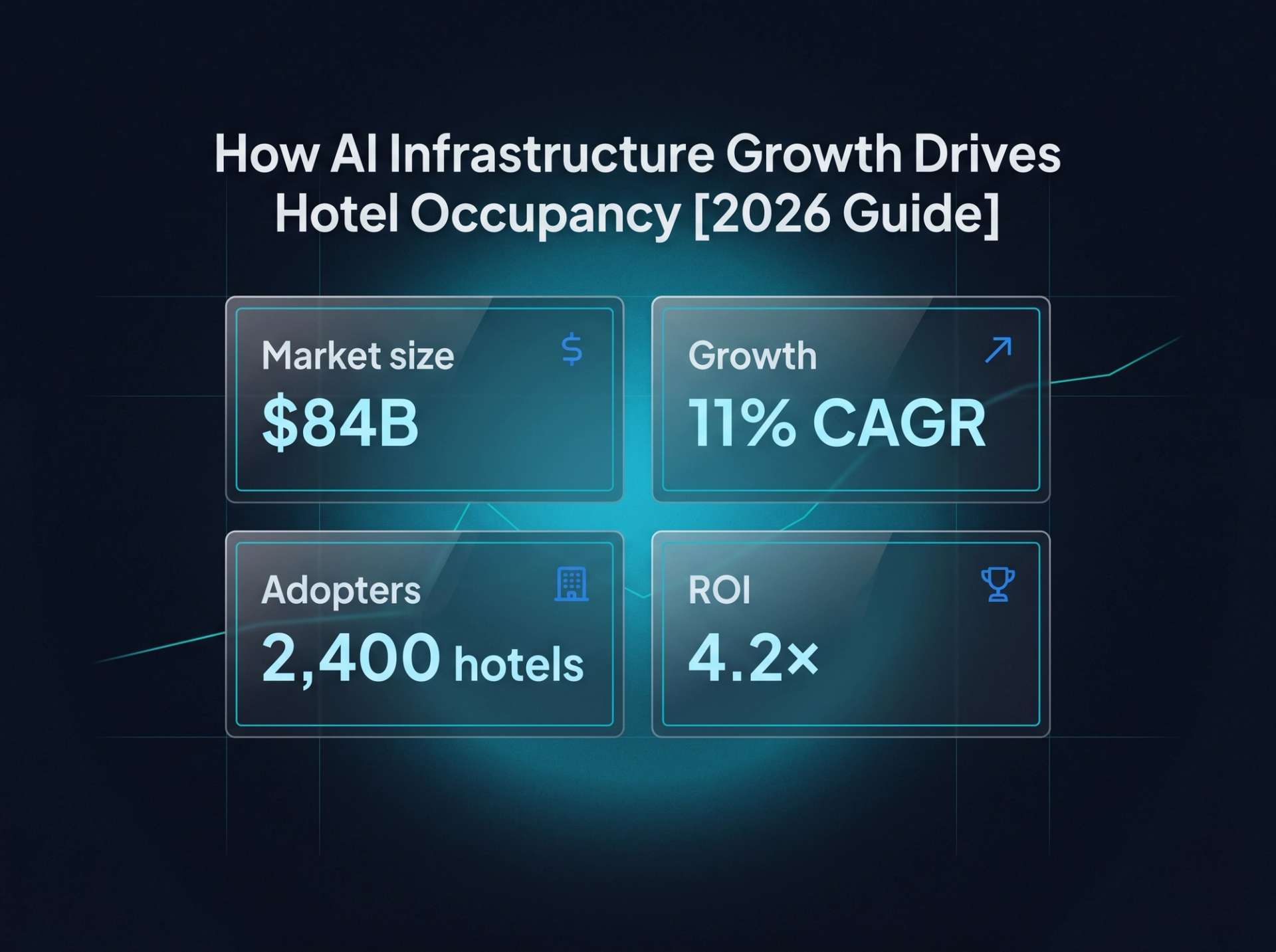
One of the most unexpected side effects of the artificial intelligence revolution is emerging in the hospitality sector. Trillions of dollars in AI infrastructure investments worldwide require long-term stays for thousands of construction workers, engineers, and technicians. This situation is creating unprecedented revenue opportunities for hotels, particularly those located in rural and semi-urban areas.
The recently announced $500 million contract by Target Hospitality illustrates the scale of this trend in concrete figures. The requirement to house 4,000 workers for a single project represents a new revenue stream completely independent of traditional tourism demand.
Data Center Construction: The New Demand Engine
Global Investment Volume
As of 2026, the scale of global AI data center investments has reached striking levels:
| Indicator | Value |
|---|---|
| Global AI infrastructure spending (2026) | $320+ billion |
| Active data center construction projects | 1,200+ |
| Average project duration | 18-36 months |
| Average workforce per project | 2,000-5,000 people |
| Workforce accommodation needs (monthly) | 45-120 nights/person |
These figures represent a massive window of opportunity for the hotel sector. Unlike traditional business travel or tourism demand, AI infrastructure projects create sustainable and predictable accommodation demand.
Why is This Demand Different?
Traditional business travel usually consists of short stays of 1-5 nights. However, AI infrastructure projects offer a completely different dynamic:
- Long-term stays: Continuous occupancy averaging between 3-12 months.
- Bulk bookings: Hundreds of rooms guaranteed through a single contract.
- Seasonality independence: Construction schedules are not tied to tourism seasons.
- Low cancellation risk: Corporate contracts are significantly more reliable than individual bookings.
- Ancillary service demand: Additional revenue streams from meals, laundry, and transportation.
Embed this image on your site
<a href="https://otelciro.com/en/news/how-ai-infrastructure-growth-drives-hotel-occupancy-2026-guide">
  <img src="https://cdn.sanity.io/images/1la98t0z/production/7d85154d9cd20c6a43269c96868789b5d9e3c51c-2752x1536.jpg" alt="Regional adoption heatmap. NA 62%, EU 78%, APAC 54%, LATAM 23%, MEA 18%." width="800" />
</a>
<p>Source: <a href="https://otelciro.com">OtelCiro</a> — AI Hotel Revenue Management</p>
The Target Hospitality Example: A $500 Million Lesson
Target Hospitality's mega-contract serves as a reference point for the industry. The company undertook the responsibility of providing accommodation, catering, and logistics services for 4,000 workers for a single AI data center project.
Contract Details
The critical features of such contracts in terms of hotel revenue management can be summarized as follows:
- Guaranteed occupancy: Fixed occupancy rates between 85% and 95%.
- Fixed price model: Pre-determined daily room rates, often including inflation indexing.
- Minimum duration: 24-36 months of uninterrupted service.
- Ancillary revenue streams: Catering, cleaning, and recreation services outside of accommodation constitute 35-40% of total revenue.
This model offers an extremely attractive alternative, especially for hotels struggling with occupancy issues during the low season.
Opportunities for Turkey
While Turkey has not yet reached the massive investment volumes seen in the US or Europe regarding AI infrastructure, it is a rapidly growing market. Data center projects planned around Istanbul, Ankara, and Izmir hold tangible opportunities for hotels in these regions.
Data Center Developments in Turkey
| Region | Planned Capacity | Estimated Construction Workforce |
|---|---|---|
| Istanbul (Tuzla-Gebze line) | 150+ MW | 3,000-5,000 |
| Ankara (Around Technoparks) | 80 MW | 1,500-2,500 |
| Izmir (Aegean Free Zone) | 60 MW | 1,000-2,000 |
| Kayseri (New investment zone) | 40 MW | 800-1,500 |
These projects offer golden opportunities, especially for hotels located outside city centers that struggle with low occupancy rates.
Revenue Management Strategies: How to Leverage AI Infrastructure Demand
1. Create Corporate Long-Term Packages
Instead of traditional nightly pricing, prepare 30-90-180 day package rates. These packages should include:
- Room + breakfast + dinner combinations.
- Included laundry and housekeeping services.
- Optional shuttle or transportation support.
- Use of meeting rooms (for weekly briefings).
2. Implement Hybrid Inventory Management
Do not allocate all your rooms to long-term contracts. An optimal distribution might look like this:
- 40-50%: Long-term corporate contracts (AI infrastructure workforce).
- 30-35%: Short-term bookings with dynamic pricing.
- 15-20%: Premium-priced walk-ins and last-minute sales.
3. Transform Ancillary Services into Profit Centers
AI infrastructure workers often work in remote locations and have limited options outside the accommodation facility. This creates high spending potential for in-house services:
- F&B Revenue: 3 meals a day x 4,000 people = a massive food and beverage operation.
- Laundry: Weekly corporate laundry services.
- Fitness and Recreation: Facilities like gyms and saunas for long-term guests.
- Digital Services: High-speed internet and dedicated workspaces.
4. Adapt Dynamic Pricing to Workforce Cycles
AI infrastructure projects have a unique workforce cycle. Thousands of workers are needed during the construction phase, hundreds of engineers during the installation phase, and dozens of technicians during the operational phase. Adjust your prices according to this cycle:
- Peak Construction Period: High volume, moderate price.
- Transition Period: Decreasing volume, increasing price (for specialized personnel).
- Operational Period: Low volume, premium price (for long-term technical teams).
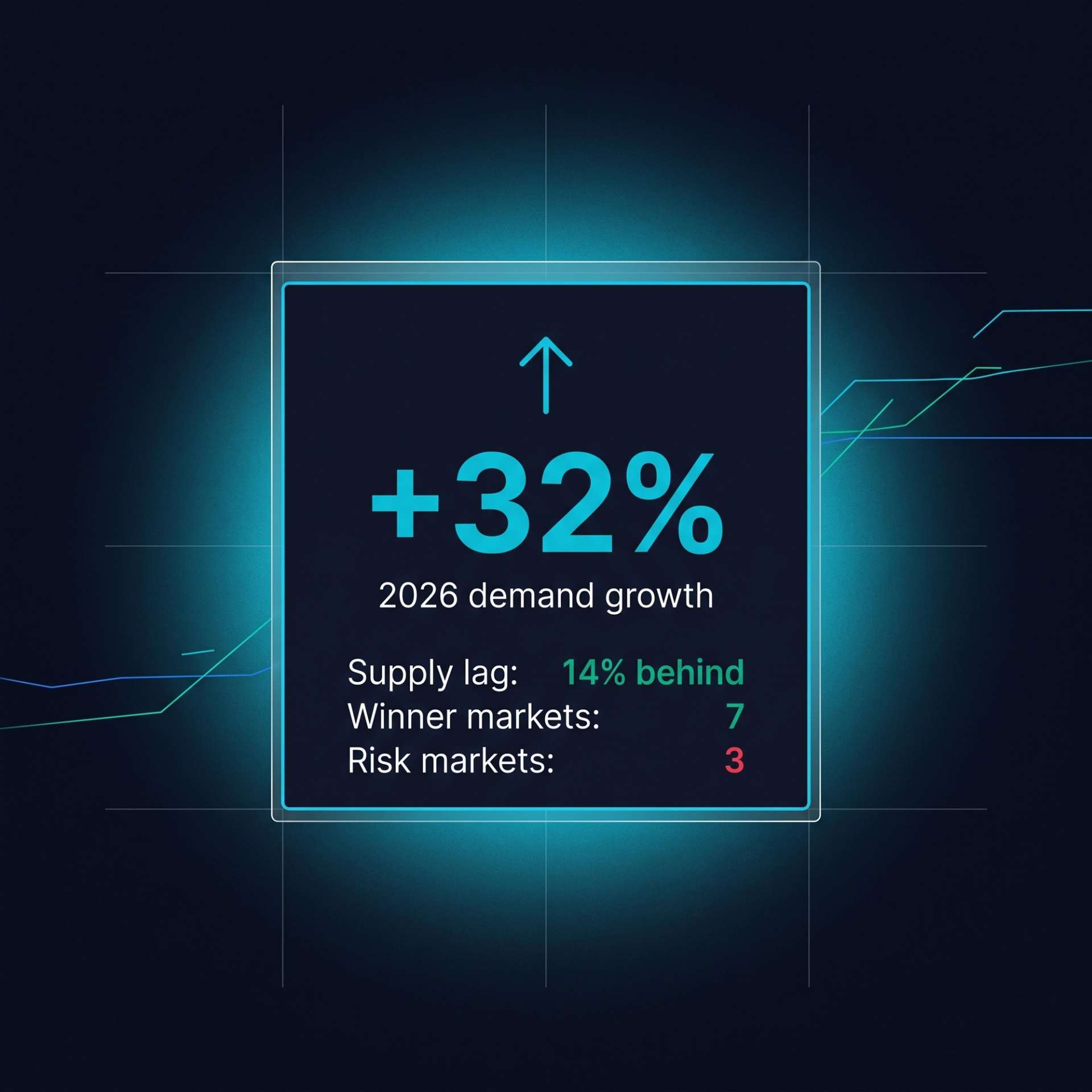
Embed this image on your site
<a href="https://otelciro.com/en/news/how-ai-infrastructure-growth-drives-hotel-occupancy-2026-guide">
  <img src="https://cdn.sanity.io/images/1la98t0z/production/3bca0720a9bfb6bc19555a0843ff36e98af9a1e1-2048x2048.jpg" alt="2026 forecast tile. +32% demand growth headline with sub-rows: supply lag 14%, 7 winner markets, 3 risk markets." width="800" />
</a>
<p>Source: <a href="https://otelciro.com">OtelCiro</a> — AI Hotel Revenue Management</p>
Conclusion: Prepare for the New Normal
AI infrastructure investments are poised to become a permanent source of demand in the hotel sector. This trend is expected to strengthen and continue until at least 2030. Proactive hotels can benefit significantly from this new revenue stream.
OtelCiro’s AI-powered revenue management tools assist hoteliers in optimizing these types of corporate long-term contracts. With features like hybrid inventory management, dynamic pricing, and ancillary revenue tracking, it is possible to achieve maximum efficiency from AI infrastructure demand.
The time to act is now. Monitor the data center and AI infrastructure projects in your region, direct your corporate sales team toward this new segment, and adapt your pricing strategy accordingly.
![Europe's Hotel Construction Boom: 2026 Oversupply Risks [Market Analysis]](https://cdn.sanity.io/images/1la98t0z/production/6dfe59137f56aa14bfcba86d9db3cf05ff89f406-2752x1536.jpg?w=1920&q=50&auto=format&fit=max)