Key Takeaways
- Hilton plans aggressive expansion in emerging markets, targeting 125 Hampton by Hilton hotels in India by 2035 and over 100 new properties in Africa.
- This strategy highlights a global shift in hospitality's center of gravity towards developing markets, driven by immense supply-demand gaps and a rising middle class.
- The midscale segment, specifically Hampton by Hilton's low-cost, fast-to-build franchise model, is key to unlocking growth in these markets.
- The expansion underscores the growing dominance of the franchise model, enabling rapid scaling with lower capital intensity for hotel brands.
- For established markets like Turkey, this signals increased global competition, emphasizing the need for differentiation, technological adoption, and sophisticated revenue management strategies.
Embed this image on your site
<a href="https://otelciro.com/en/news/hilton-s-125-hotel-india-play-global-hospitality-impact-2035-strategy">
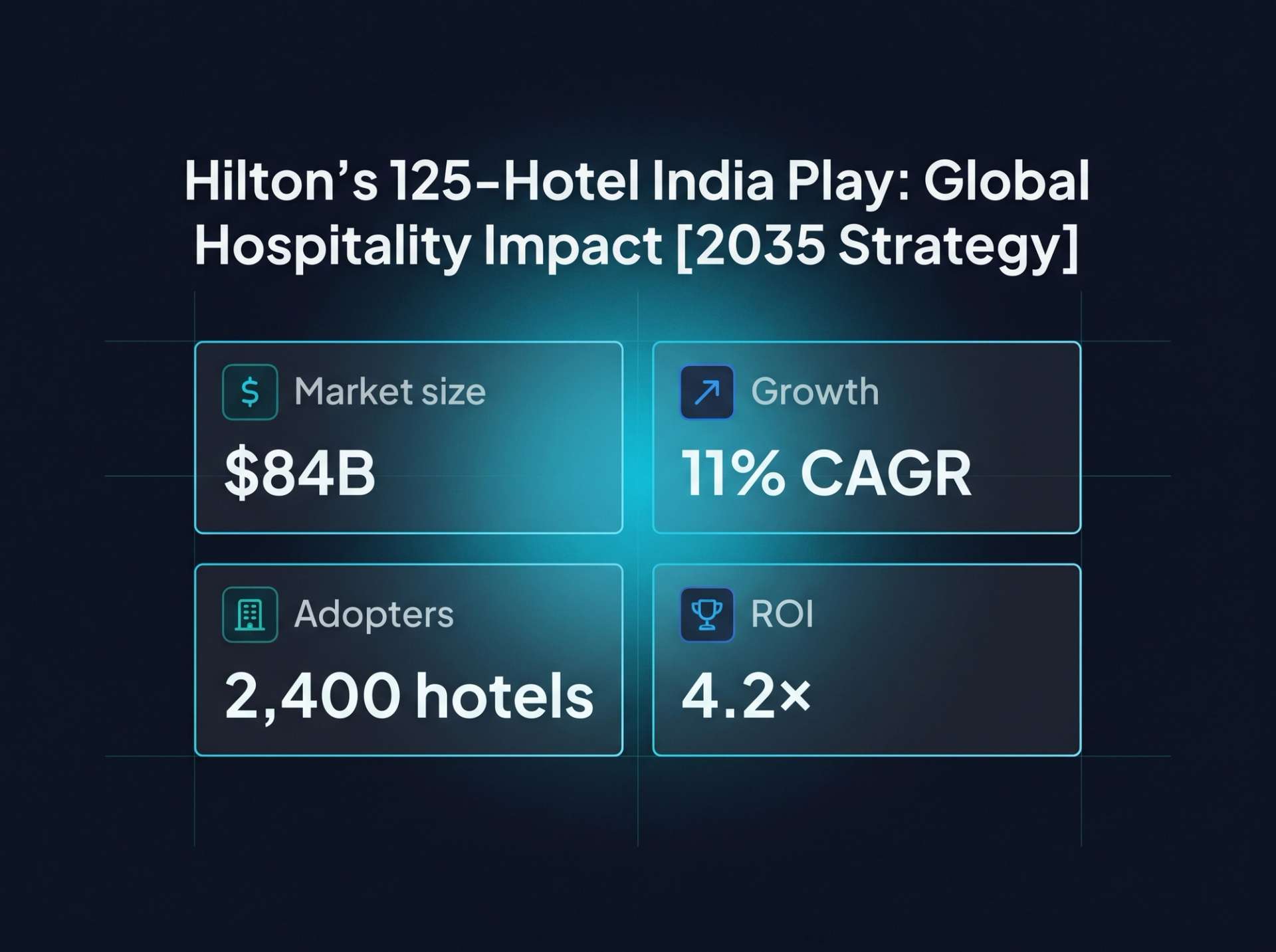
  <img src="https://cdn.sanity.io/images/1la98t0z/production/1b7a1aa419e329be69c18ef2f6472641d1500415-2400x1792.jpg" alt="Four-tile macro stat block. $84B market size, 11% CAGR growth, 2,400 adopting hotels, 4.2× ROI." width="800" />
</a>
<p>Source: <a href="https://otelciro.com">OtelCiro</a> — AI Hotel Revenue Management</p>
Hilton's Emerging Market Strategy
Hilton Worldwide announced a series of growth initiatives in the first quarter of 2026, poised to shake up the hospitality sector. The company's plans include 125 Hampton by Hilton hotels in India by 2035 and over 100 new properties across the African continent. This aggressive expansion strategy is the most concrete indicator of the global hospitality sector's center of gravity shifting from developed to emerging markets.
Hilton CEO Christopher Nassetta's statement, "India and Africa will be the growth engines of the next decade," encapsulates this industry paradigm shift.
India: 125 Hampton by Hilton
Why India?
The Indian hotel market represents one of the largest opportunity areas for global chains:
| Metric | India | Turkey | US | Comparison |
|---|---|---|---|---|
| Population | 1.44 billion | 85 million | 340 million | India 4.2x US |
| Chain hotel penetration | 5.3% | 18% | 72% | Huge growth potential |
| Annual domestic tourism | 2.5 billion nights | 180 million nights | 1.8 billion nights | India is largest |
| People per hotel room | 780 | 142 | 48 | Significant supply gap |
| Middle-income class (2030 est.) | 580 million | 28 million | 210 million | India 2x US |
In India, there is one hotel room per 780 people, compared to 48 in the US and 142 in Turkey. This massive supply gap translates into decades of growth potential for chain hotels.
Hampton by Hilton: Why This Brand?
Hilton's choice of the Hampton brand for its India strategy is a deliberate decision. Hampton by Hilton is the company's most cost-effective and fastest-growing franchise model:
- Average construction cost: $45,000–65,000 per room (half of a full-service Hilton)
- Construction time: 18–24 months (full-service: 36–48 months)
- Break-even period: 3–4 years (full-service: 5–7 years)
- Franchise fee: 5% of revenue (low barrier to entry)
- Target segment: Mid-income business and leisure travel
For India's rapidly growing middle class, Hampton offers a positioning of "accessible luxury with a trusted brand."
Target Regions and Investment Timeline
Hilton's India strategy focuses on Tier-2 and Tier-3 cities:
| Region | Planned Number of Hotels | Target Cities | Estimated Delivery |
|---|---|---|---|
| West India | 42 | Pune, Ahmedabad, Surat, Nashik | 2027–2032 |
| South India | 38 | Coimbatore, Visakhapatnam, Kochi, Mysore | 2027–2033 |
| North India | 28 | Lucknow, Jaipur, Chandigarh, Amritsar | 2028–2034 |
| East India | 17 | Bhubaneswar, Ranchi, Patna | 2029–2035 |
The emphasis on the western and southern regions is notable—these areas host India's fastest-growing business hubs. Locations such as Pune, an IT sector center, Surat, the textile capital, and Visakhapatnam, a port city, represent points of strongest business travel demand.
Embed this image on your site
<a href="https://otelciro.com/en/news/hilton-s-125-hotel-india-play-global-hospitality-impact-2035-strategy">
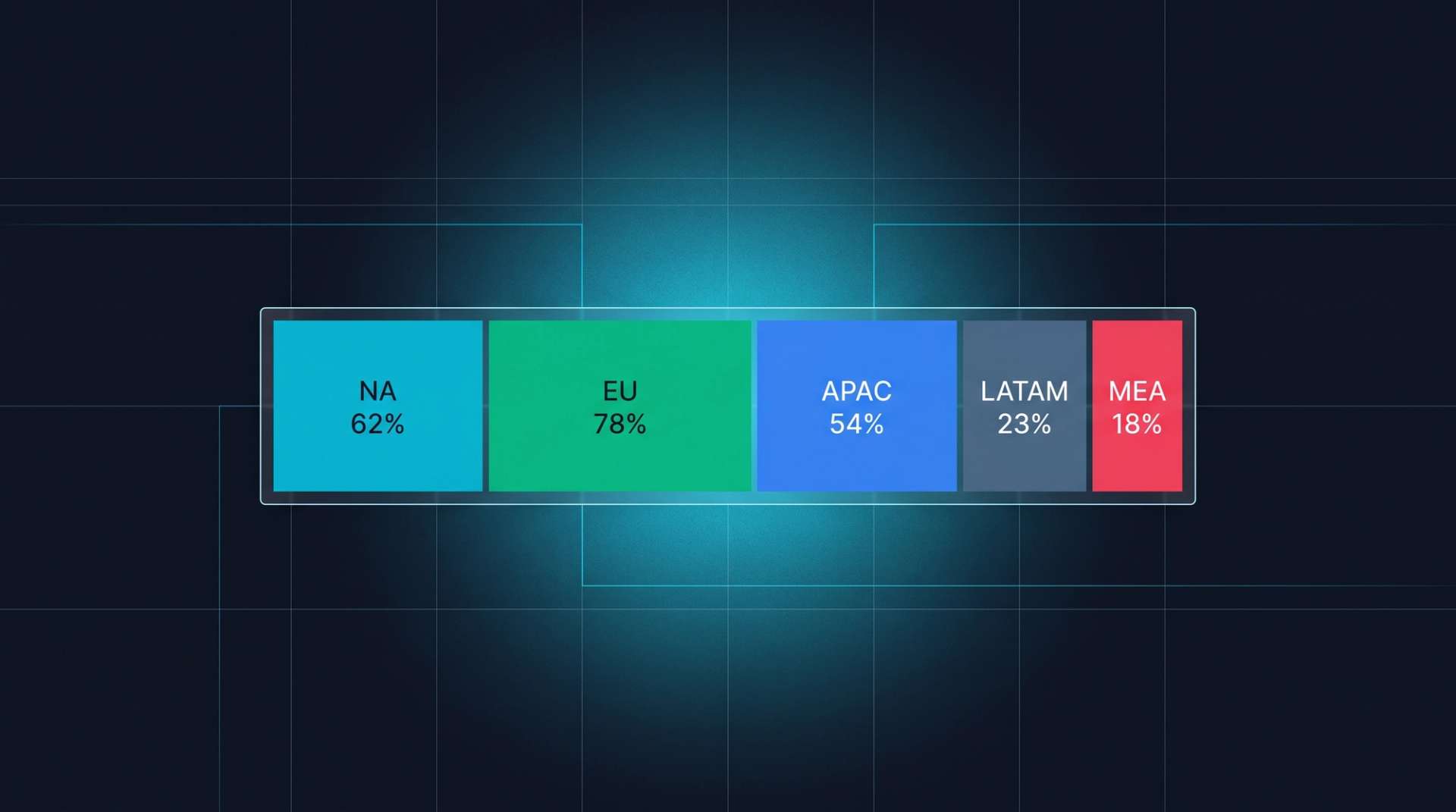
  <img src="https://cdn.sanity.io/images/1la98t0z/production/633e39cf7c79458e44b916a345ecb2492eeef943-2752x1536.jpg" alt="Regional adoption heatmap. NA 62%, EU 78%, APAC 54%, LATAM 23%, MEA 18%." width="800" />
</a>
<p>Source: <a href="https://otelciro.com">OtelCiro</a> — AI Hotel Revenue Management</p>
Africa Strategy: 100+ Hotels, 180 Properties, 20,000+ Jobs
Hilton's Africa plan is as ambitious as its India strategy:
Current Status and Targets
| Metric | Current (2026) | 2030 Target | 2035 Target |
|---|---|---|---|
| Number of properties | 82 | 130 | 180+ |
| Number of rooms | 15,200 | 24,000 | 34,000+ |
| Employment | 8,500 | 14,000 | 20,000+ |
| Number of countries | 24 | 32 | 40+ |
Focus Markets
- Nigeria: Africa's largest economy, 15+ new hotels in Lagos and Abuja
- Kenya: East Africa's business hub, 8+ hotels in Nairobi
- Egypt: Tourism paradise, 12+ hotels in destinations outside Cairo
- South Africa: Mature but growing market, 10+ hotels
- Ethiopia, Ghana, Senegal: Developing economies, first-time Hilton entry
Implications for the Global Hospitality Sector
1. Triumph of the Franchise Model
Hilton's strategies for both India and Africa are predominantly based on the franchise model. This confirms several important trends:
- Low capital intensity: Hilton isn't investing; it's franchising—the risk lies with local investors.
- Rapid scaling: Franchising enables the opening of 225+ hotels in 10 years.
- Local entrepreneurship: Each hotel is built by a local investor—high multiplier effect on employment and economic contribution.
- Brand power: The Hilton name provides strong customer attraction in emerging markets.
2. Global Rise of the Midscale Segment
The preference for Hampton by Hilton in India sends a clear message: growth in emerging markets will occur in the midscale segment. While luxury hotels will remain niche, mid-segment brands will meet mass demand.
This trend is also visible across other major chains:
| Chain | Midscale Brand | Emerging Market Target (2030) |
|---|---|---|
| Hilton | Hampton | 125 (India) + 100 (Africa) |
| Marriott | Fairfield | 80+ (India) |
| IHG | Holiday Inn Express | 60+ (Southeast Asia) |
| Accor | ibis | 150+ (Africa + South Asia) |
| Wyndham | Super 8 / Ramada | 200+ (China + India) |
3. The Accommodation Gap Paradigm
The accommodation gap in emerging markets is defining the direction of global hotel investments. The "people per hotel room" metric has become a key indicator for investment decisions:
| Market | People / Hotel Room | Investment Attractiveness |
|---|---|---|
| India | 780 | Very High |
| Africa (avg.) | 420 | High |
| Southeast Asia | 210 | Medium–High |
| Latin America | 165 | Medium |
| Turkey | 142 | Medium |
| Europe (avg.) | 62 | Low–Medium |
| US | 48 | Mature market |
Lessons and Opportunities for Turkey
Hilton's emerging market strategy holds many lessons for the Turkish hospitality sector:
Competitive Impact
While Hilton's aggressive growth in India and Africa may not directly affect Turkey in the short term, it could alter global travel flows in the long run. Specifically:
- MICE tourism: New hotels in India could compete with Turkey for regional conferences and meetings.
- Transit accommodation: Increased hub capacity in India could redistribute transit passenger flows.
- Investor interest: The high return potential in emerging markets might reduce hotel investment appetite for Turkey.
Turkey's Advantages
However, Turkey possesses distinct advantages over India and Africa:
- Geographic location: Crossroads of Europe, Asia, and Africa
- Mature infrastructure: Developed airport, transportation, and telecommunication infrastructure
- Tourism diversity: Culture, sea, health, congress, and gastronomy tourism
- Chain hotel penetration (18%): Still offers room for growth, though not as large as the supply gap in emerging markets
Strategic Recommendations
- Differentiation: Turkey should position itself based on experience rather than competing on price with India and Africa.
- Boutique and lifestyle: Counter the standardized product of chain hotels with local character and unique experiences.
- Technology leadership: Create differentiation through AI-powered revenue management and personalized guest experiences.
- Direct channels: Reduce OTA dependency to maintain profitability.
Revenue Management Perspective
The increase in global supply necessitates that hotels in every market adopt more sophisticated revenue management. Hilton's 225+ new hotels will intensify competition and create pricing pressure.
The key to survival in this environment:
- Real-time competitor analysis: Instantly monitor the pricing strategies of newly opened hotels.
- Segment-based pricing: Dynamic pricing tailored to each guest segment.
- Total revenue management: Optimize non-room revenue sources.
- Predictive analytics: Proactively price by anticipating demand fluctuations.
OtelCiro's AI-powered revenue management platform empowers Turkish hotels with data-driven decision-making against global competitive pressures. It analyzes competitor hotel openings, market dynamics, and demand trends in real-time to determine optimal pricing strategies.

Embed this image on your site
<a href="https://otelciro.com/en/news/hilton-s-125-hotel-india-play-global-hospitality-impact-2035-strategy">
  <img src="https://cdn.sanity.io/images/1la98t0z/production/e0b3b12eca93694866f9308862f10956a4c72268-2048x2048.jpg" alt="2026 forecast tile. +32% demand growth headline with sub-rows: supply lag 14%, 7 winner markets, 3 risk markets." width="800" />
</a>
<p>Source: <a href="https://otelciro.com">OtelCiro</a> — AI Hotel Revenue Management</p>
Conclusion
Hilton's plan for 125 hotels in India and over 100 in Africa signals a tectonic shift in the global hospitality sector. The massive accommodation gap in emerging markets presents the biggest investment opportunity of the next decade.
For hotels in Turkey, this situation is both a warning and an opportunity. Intensifying global competition will challenge hotels offering ordinary products. However, hotels equipped with technology, differentiation, and data-driven revenue management can maintain strong positions in this new order.
The future of the hospitality sector lies not just in the number of rooms, but in the value derived from each room. And the way to maximize this value is through intelligent revenue management.
![Europe's Hotel Construction Boom: 2026 Oversupply Risks [Market Analysis]](https://cdn.sanity.io/images/1la98t0z/production/6dfe59137f56aa14bfcba86d9db3cf05ff89f406-2752x1536.jpg?w=1920&q=50&auto=format&fit=max)