![Underwater Hotel Design and Investment [Strategy Guide]](https://cdn.sanity.io/images/1la98t0z/production/d2c914714dc649b808c4d0489674b801adea8627-1200x669.png?w=1920&q=65&auto=format&fit=max)
Key Takeaways
- The unique experience segment is the fastest-growing niche in luxury hospitality, with an 18.5% annual growth rate.
- Structural integrity requires managing pressure increases of 1 atmosphere for every 10 meters of depth using specialized materials like 316L stainless steel.
- Underwater suites command premium rates ranging from $1,500 to $50,000 per night, often maintaining 85-95% occupancy.
- Sustainable underwater architecture can increase local marine biodiversity by up to 300% through artificial reef effects.
- Turkey's coastline, particularly in Kaş and Bodrum, presents high potential for future marine hospitality development.
Underwater Hotels: Luxury Accommodation in the Depths of the Ocean
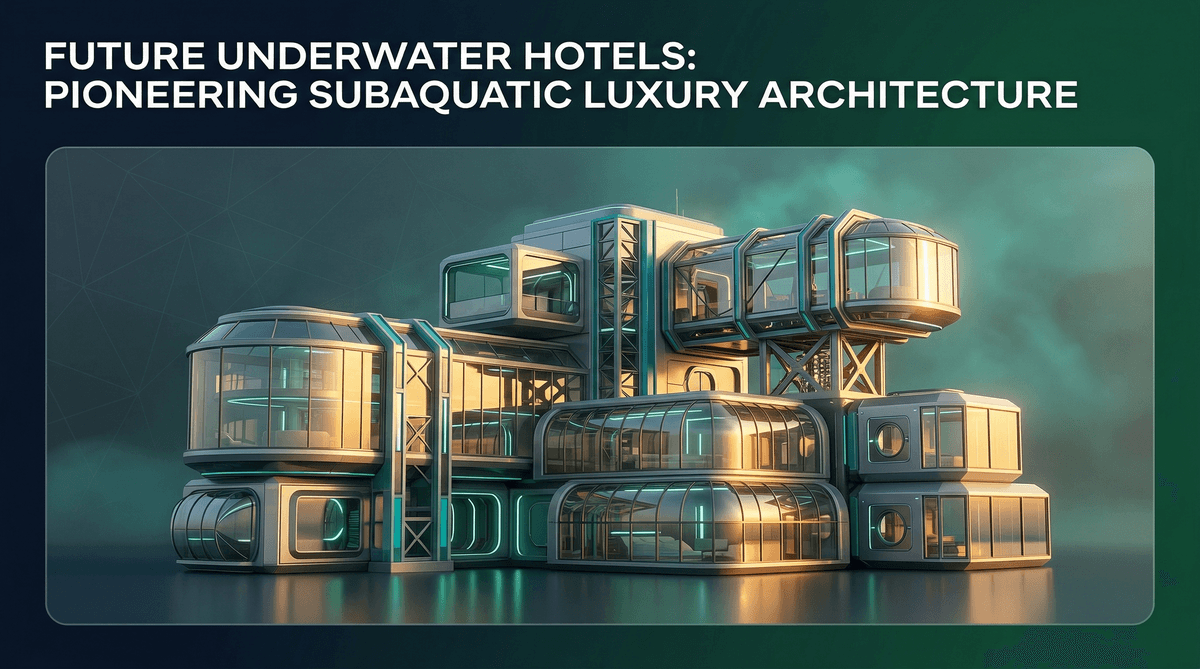
Throughout history, humanity has dreamed of exploring the world beneath the waves. Today, this dream is being realized within the hospitality industry through the underwater hotel concept. Projects like the underwater suites at Atlantis The Palm in Dubai, The Manta Resort in Tanzania, and Conrad Rangali Island in the Maldives prove that underwater accommodation is no longer science fiction.
The global luxury accommodation market reached $115 billion in 2025, and the fastest-growing sub-segment of this market is unique experience stays, with an annual growth rate of 18.5%. Underwater hotels are positioned as the concept with the highest nightly revenue potential within this segment.
Embed this image on your site
<a href="https://otelciro.com/en/news/underwater-hotel-design-and-investment-strategy-guide">
  <img src="https://cdn.sanity.io/images/1la98t0z/production/d2c914714dc649b808c4d0489674b801adea8627-1200x669.png" alt="Underwater Hotel Concept" width="800" />
</a>
<p>Source: <a href="https://otelciro.com">OtelCiro</a> — AI Hotel Revenue Management</p>
In this article, we examine the architectural requirements, engineering challenges, investment models, and premium pricing strategies of the underwater hotel concept.
Related reading: Hotel Segment-Based Pricing: Revenue Optimization
Underwater Architecture: An Engineering Marvel
Underwater hotel design is a field where traditional architecture intersects with marine engineering, materials science, and environmental engineering. Every design decision directly impacts both guest safety and the marine ecosystem.
Structural Design Principles
Pressure Management: For every 10 meters of depth underwater, 1 atmosphere of additional pressure is created. A room at a depth of 5 meters is exposed to 1.5 times the pressure at sea level. For structural integrity, special reinforced acrylic panels or glass lamination systems are utilized.
Material Selection: Materials resistant to seawater corrosion are mandatory. Titanium alloys, marine-grade stainless steel (316L), and high-strength acrylic panels are standard structural materials. The glass panels of an underwater room can be 10-25 cm thick.
Ventilation and Life Support: Fresh air circulation, humidity control, and CO2 management are critical. Technologies adapted from submarine life support systems are employed.
Lighting: Considering that natural sunlight diminishes rapidly underwater, a balance must be struck between artificial and natural light. At a depth of 5 meters, 80% of sunlight still penetrates; at 15 meters, this rate drops to 25%.
Architectural Models
There are three primary underwater hotel models implemented worldwide:
Semi-submerged model: The upper part of the structure is above water, while the bedroom and living area are underwater. This is the most common and feasible model. Investment cost: 5-15 million Euro per unit.
Fully submerged model: The entire structure is underwater, accessed via tunnels or elevators. This is the most expensive and technically challenging model. Cost per unit: 20-50 million Euro.
Hybrid model: A structure built on a floating platform featuring an underwater observation room. Moderate investment: 3-8 million Euro per unit.
Premium Pricing Strategy
Underwater hotels utilize one of the highest nightly price points in the hospitality sector. This premium pricing is supported by several key factors:
| Factor | Impact |
|---|---|
| Uniqueness | Fewer than 20 underwater accommodation facilities exist worldwide |
| Experiential Value | The "once in a lifetime" perception creates premium acceptance |
| Capacity Constraint | Usually 1-20 rooms; supply is extremely limited |
| Operating Cost | High maintenance costs are reflected in the price |
| Social Status | High social media sharing value |
Current underwater hotel price ranges:
- Entry-level (semi-submerged suites): 1,500-5,000 Euro per night
- Mid-segment (fully underwater rooms): 5,000-15,000 Euro per night
- Ultra-luxury (private underwater villas): 25,000-50,000 Euro per night
At these price levels, occupancy rates generally range between 85-95%. Demand consistently exceeds supply, and waiting lists can span several months.
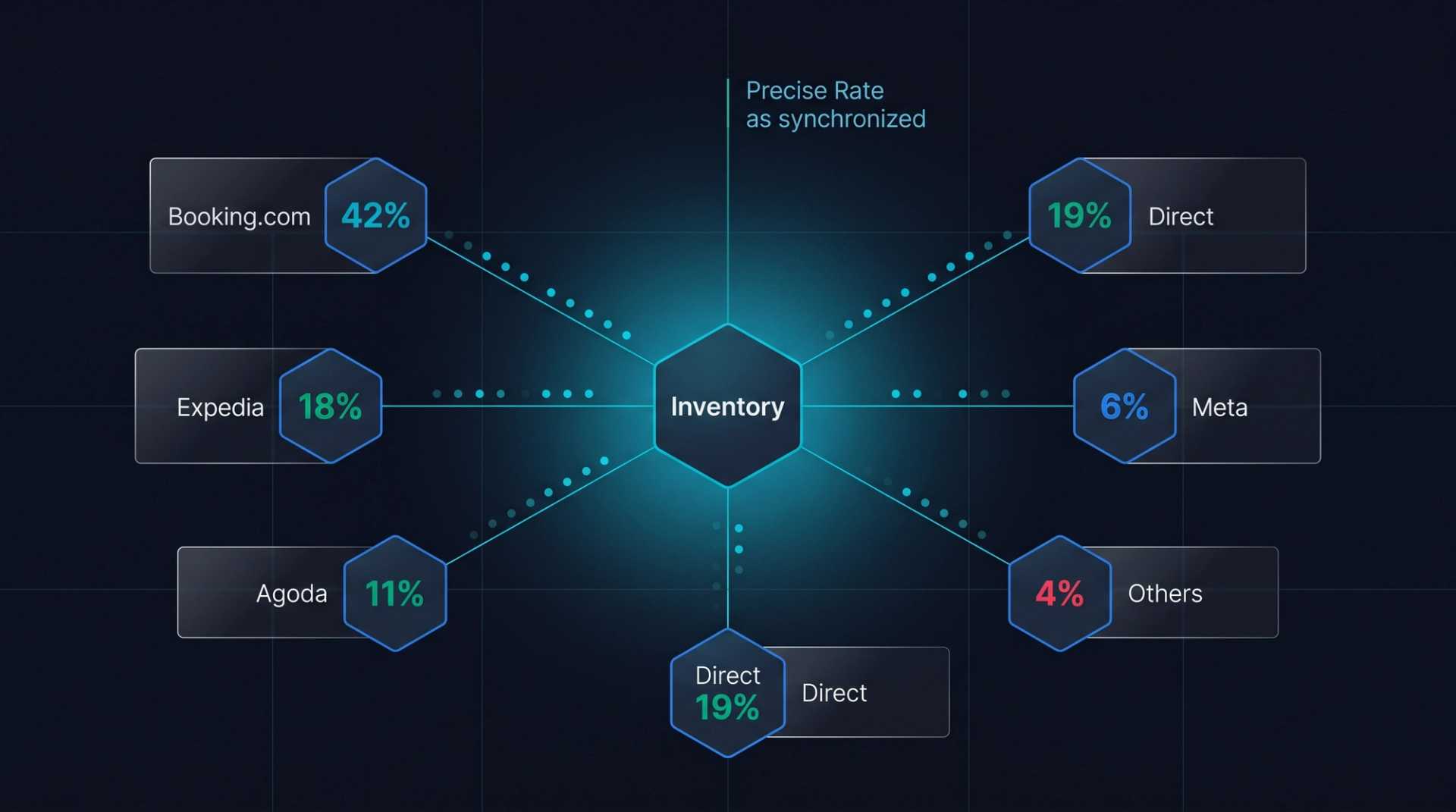
It is possible to manage this type of premium inventory, apply dynamic pricing, and track VIP guest relations using sales management platforms.
Related reading: Hotel Upselling and Cross-selling Techniques
Environmental Impact and Sustainability
Underwater hotels carry the risk of potential damage to the marine ecosystem. Therefore, environmental impact assessments and sustainability planning must be core components of any project.
Positive Environmental Impacts
Correctly designed underwater structures can actually contribute to marine life:
- Artificial Reef Effect: The exterior surface of the structure provides a habitat for marine organisms. Projects in Dubai have reported a 300% increase in marine biodiversity around their structures.
- Awareness Building: Guests gain environmental consciousness by observing the marine ecosystem up close.
- Research Contribution: They provide platforms for marine biology research.
Risk Mitigation Strategies
- Amber-toned LED systems should be used to ensure artificial lighting does not disturb marine life.
- Wastewater treatment systems must be 100% efficient, aiming for zero discharge into the sea.
- Noise levels should be kept below 120 dB to protect the communication of marine mammals.
- Minimum interference with coral reefs and seagrass meadows should occur during the construction process.
Global Examples and Success Stories
The Muraka, Maldives: Located at Conrad Rangali Island, this underwater residence offers a bedroom 5 meters below sea level. Prices start at $50,000 per night, with 97% occupancy throughout the year.
The Manta Resort, Tanzania: Built on a floating platform off Pemba Island. The top floor is a sundeck, the middle floor is a living area, and the bottom floor (underwater) is the bedroom. It offers a segment entry price of $1,500 per night.
Atlantis The Palm, Dubai: The Neptune and Poseidon underwater suites offer accommodations in front of a 65,000-liter aquarium. Nightly rates range between $7,000 and $15,000.
Common success factors for these projects include:
- Offering a unique and shareable experience
- Conducting detailed environmental impact assessments
- Implementing premium service standards
- Strong storytelling and PR strategies
Possibilities for Turkey
Turkey's 8,333 km coastline offers potential locations for the underwater hotel concept. Specifically:
Kaş/Antalya: Clear water visibility (25-40 meters), rich marine biodiversity, and an established diving tourism infrastructure. This is the top candidate for Turkey's first underwater hotel.
Bodrum/Muğla: International recognition, marina infrastructure, and a tradition of luxury tourism. An ideal location for the ultra-luxury segment.
Fethiye/Ölüdeniz: Natural beauty and existing water sports infrastructure. Suitable for hybrid models.
In Turkey, an underwater hotel project requires approval from the Ministry of Environment, Urbanization and Climate Change, the Ministry of Culture and Tourism, and the General Directorate of Maritime Affairs. The Environmental Impact Assessment (EIA) process can take 12-18 months.
The underwater hotel remains one of the most exciting concepts in the future of the hospitality industry. Despite high investment costs, premium pricing and high occupancy rates make this concept a highly profitable model in the long term. Advances in technology and materials science indicate that the number and accessibility of underwater hotels will increase over the next decade.
![Europe's Hotel Construction Boom: 2026 Oversupply Risks [Market Analysis]](https://cdn.sanity.io/images/1la98t0z/production/6dfe59137f56aa14bfcba86d9db3cf05ff89f406-2752x1536.jpg?w=1920&q=50&auto=format&fit=max)