![Seasonal Hotel Recruitment Optimization: AI Timing [Strategy Guide]](https://cdn.sanity.io/images/1la98t0z/production/70854c1360c4e32eb5a88869157999db8a310709-1200x669.png?w=1920&q=65&auto=format&fit=max)
Key Takeaways
- AI-driven demand forecasting predicts department-specific staffing needs with 90% accuracy.
- Rehiring high-performing former employees reduces training time by 70% and fills up to 65% of roles.
- A staggered, AI-optimized hiring schedule can reduce seasonal payroll costs by 20-25%.
- Staffing shortages are directly linked to a 0.3-point drop in online guest review scores.
- Personalized AI onboarding programs accelerate new hire productivity by 40%.
In Seasonal Recruitment, Timing Is Everything
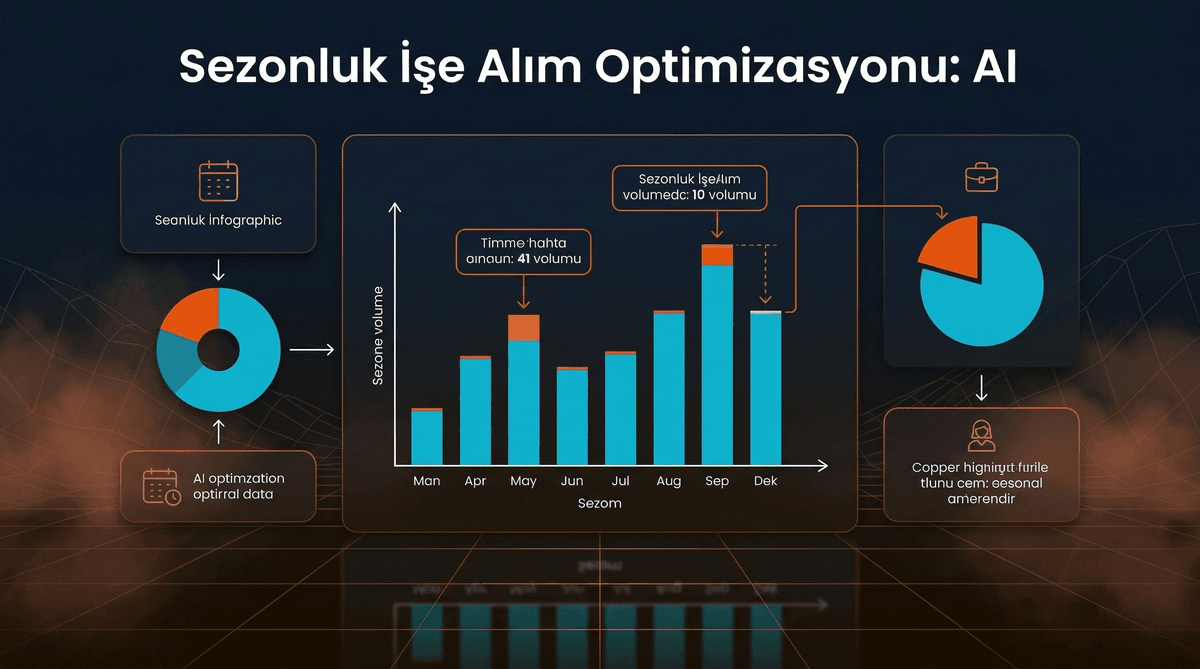
Tourism hotels in Turkey face the same challenge every year: having staff ready before the season kicks off. In holiday destinations like Antalya, Bodrum, and Fethiye, hotels must increase their staff capacity by 150-300% for the summer season. Without proper timing and planning, this massive scaling leads to severe operational disruptions.
Embed this image on your site
<a href="https://otelciro.com/en/news/seasonal-hotel-recruitment-optimization-ai-timing-strategy-guide">
  <img src="https://cdn.sanity.io/images/1la98t0z/production/70854c1360c4e32eb5a88869157999db8a310709-1200x669.png" alt="Seasonal Recruitment Optimization Infographic" width="800" />
</a>
<p>Source: <a href="https://otelciro.com">OtelCiro</a> — AI Hotel Revenue Management</p>
In the 2025 season, 43% of resort hotels in Turkey reported being unable to find sufficient staff at the start of the season. This shortage led to a 55% increase in guest complaints during the initial weeks and an average drop of 0.3 points in online reviews. A hotel's early-season performance creates a domino effect that impacts the entire year.
AI-powered recruitment optimization solves this problem at its root by integrating demand forecasting with workforce planning.
Related reading: Hotel Staff Retention Strategies: AI-Powered Solutions
Staffing Requirement Forecasting with AI
In the traditional approach, hotels adjust their headcount by +/- 10% based on the previous year's numbers. AI, however, utilizes a much more sophisticated forecasting model.
Demand-Staffing Correlation Model
OtelCiro’s AI engine calculates staffing needs for the upcoming season using these data sources:
- Booking data: Future occupancy forecasts and pick-up speed.
- Historical season patterns: Weekly occupancy, check-in/check-out density, and F&B demand fluctuations.
- Events calendar: Regional festivals, congresses, and holiday periods.
- Flight capacities: Number of flights arriving at the destination and occupancy trends.
- Competitor intelligence: New hotel openings/closings in the region and staff movement trends.
When this data is combined, AI can predict department-based staffing needs for every week with 90% accuracy. For example, an AI model can determine in advance that while the housekeeping department needs 45 staff members in the 3rd week of July, that number will rise to 52 in the 2nd week of August.
Department-Based Needs Matrix
| Department | Low Season | Shoulder Season | High Season | Peak Week |
|---|---|---|---|---|
| Front Office | 8 | 12 | 18 | 22 |
| Housekeeping | 15 | 25 | 40 | 50 |
| F&B Service | 12 | 20 | 35 | 45 |
| Kitchen | 8 | 12 | 20 | 25 |
| Animation/Entertainment | 2 | 4 | 8 | 10 |
| Technical/Maintenance | 5 | 6 | 8 | 10 |
Talent Pool Management and Returnee Strategy
The most valuable resource for seasonal hotels is staff who have worked in previous seasons and performed well. AI-supported talent pool management systemizes this resource.
Former Employee Recovery
Research shows that the training period for a staff member who worked the previous season is 70% shorter. AI analyzes the former employee database to identify candidates with the highest probability of returning:
- Performance score: Those with evaluation scores above 80% last season.
- Communication history: Those who departed on positive terms.
- Geographic proximity: Those living within accessible distance of the facility during the winter.
- Social media analysis: Former employees active on LinkedIn or job search platforms.
AI calculates a "return score" for every former employee and automatically sends personalized return offers to high-scoring candidates. With this strategy, 55-65% of previous season employees can be recovered.
New Candidate Sourcing
For positions that cannot be filled by returning employees, AI analyzes the most efficient sourcing channels:
- Tourism schools: Candidates seeking internships or first-time job experiences.
- Regional labor pool: Local residents looking for seasonal work.
- Referral programs: Candidates recommended by current employees (success rate is 45% higher).
- Online platforms: Industry-specific job boards.
Timing Optimization: When Should You Start?
Recruitment timing directly affects the balance between cost and quality. Starting too early leads to unnecessary costs, while starting too late results in insufficient staffing.
AI-Supported Timing Model
OtelCiro’s AI engine determines the optimal recruitment start date based on the following factors:
- Training duration: 1-4 weeks depending on the department (Front Office 3 weeks, Housekeeping 1 week).
- Recruitment lead time: 2-6 weeks depending on the position (Chef positions take longer).
- Season start forecast: The date occupancy begins to rise as identified by AI.
- Staggered scaling: Onboarding staff gradually based on need rather than all at once.
For a typical Mediterranean resort, AI-recommended timing is as follows:
- February: Critical positions (Chefs, Revenue Manager, Front Office Manager).
- March: Experienced core teams for Front Office, F&B Service, and Kitchen.
- April: Housekeeping, Technical Service, Security.
- May: Animation, pool staff, seasonal servers.
- June: Peak period support staff (part-time and interns).
This staggered approach maximizes operational readiness while reducing payroll costs by 20-25%.
Related reading: Housekeeping Shift Scheduling: Planning with AI
Accelerated Onboarding and Training
It is critical for seasonal staff to become productive as quickly as possible. AI-supported onboarding systems personalize and accelerate the training process.
Personalized Training Plans
AI creates a differentiated training plan for every new hire based on their past experience:
- Experienced returnees: 2-3 day refresher training (new systems, updated procedures).
- Experienced newcomers: 1-week orientation and adaptation training.
- Industry newcomers: 2-3 week comprehensive training program.
This personalization achieves productivity 40% faster compared to bulk training methods.
Digital Training Tools
Mobile-accessible training platforms allow employees to learn core information before the season begins:
- Video-based procedure training.
- Interactive quizzes and scenarios.
- VR-supported simulations (Front Office and crisis scenarios).
- Multi-lingual training content.
Cost Control and Performance Measurement
Measuring the effectiveness of the seasonal recruitment process is essential for continuous improvement.
Key KPIs
- Time-to-fill: Average days to fill a position (Target: 14 days).
- First 30-day turnover rate: Percentage of early departures (Target: Below 10%).
- Training ROI: Training cost vs. time to reach full productivity.
- Cost per hire: Total recruitment expenditure divided by number of hires.
- Return rate: Percentage of staff returning from the previous season (Target: 60%).
With AI-supported reporting, you can monitor these KPIs in real-time and make strategy adjustments even mid-season. Manage your seasonal recruitment processes with a data-driven approach using OtelCiro’s reporting and analytics tools.
Related reading: Career Paths in the Hospitality Industry: Development Maps
![Europe's Hotel Construction Boom: 2026 Oversupply Risks [Market Analysis]](https://cdn.sanity.io/images/1la98t0z/production/6dfe59137f56aa14bfcba86d9db3cf05ff89f406-2752x1536.jpg?w=1920&q=50&auto=format&fit=max)