![Pop-Up Hotels: The Agile Future of Event Hospitality [2026 Guide]](https://cdn.sanity.io/images/1la98t0z/production/79b09c1d967343c783aaacab48cef93a1628c833-1200x669.png?w=1920&q=65&auto=format&fit=max)
Key Takeaways
- The global pop-up accommodation market reached $3.8 billion in 2025, growing at an impressive 28% annually.
- Pop-up hotels offer flexible, portable, and demand-driven lodging, breaking traditional hospitality molds for events.
- They capitalize on accommodation demand during major events (festivals, sports, fairs) where existing hotel capacity is often insufficient.
- Diverse pop-up types, from cost-effective tent-based models to luxurious mobile units, cater to varying comfort levels and budgets.
- The business model offers high profitability, with examples showing a 62% profit margin for a 4-night event and potential equipment investment payback within the first year.
Pop-Up Hotels: The Hospitality Sector's Most Agile Model
The hospitality sector is traditionally defined by large investments, long construction periods, and fixed locations. The pop-up hotel concept breaks all these molds, offering a temporary, portable, and demand-driven accommodation model that opens up an entirely new niche in the industry.
The global pop-up accommodation market reached $3.8 billion in 2025 and is one of the fastest-growing segments in the sector, with an annual growth rate of 28%. Demand for temporary accommodation, particularly for festivals, sports organizations, trade fairs, and corporate events, is increasing every year. In Turkey, over 120 large-scale events in 2026 face a shortage of accommodation capacity.

Embed this image on your site
<a href="https://otelciro.com/en/news/pop-up-hotels-the-agile-future-of-event-hospitality-2026-guide">
  <img src="https://cdn.sanity.io/images/1la98t0z/production/79b09c1d967343c783aaacab48cef93a1628c833-1200x669.png" alt="Pop-Up Otel Geçici Konaklama Etkinlik İnfografiği" width="800" />
</a>
<p>Source: <a href="https://otelciro.com">OtelCiro</a> — AI Hotel Revenue Management</p>
In this article, we delve into the operational mechanics, business model, and financial potential of the pop-up hotel concept.
Related reading: FIFA 2026 World Cup and Opportunities for Hotels
Pop-Up Hotel Concept Types
Pop-up hotels are designed in various concepts based on the type of structure used and the target event. Each concept appeals to a different cost structure and target audience.
Tent-Based Pop-Up
The most common and lowest-cost pop-up model. Utilizes safari tents, bell tents, or yurt-style structures. Setup time is 2-4 hours per unit, takedown time is 1-2 hours. Unit investment cost ranges from 30,000-80,000 TL. Ideal for festivals and nature events.
Container Pop-Up
Converted shipping containers offer a more comfortable and weather-resistant alternative. Their modular design allows them to be stacked and combined in different configurations. Unit cost ranges from 150,000-300,000 TL. Setup takes 4-8 hours and requires a crane. Suitable for urban events and trade fairs.
Inflatable Structures
Air-inflated dome or tunnel structures boast the fastest setup time. Unit setup time is 30-60 minutes. Cost is low (20,000-50,000 TL), but comfort level is limited. Preferred for short-duration (1-3 nights) events.
Luxury Mobile Units
Trailer-based luxury accommodation units provide hotel room comfort in a portable format. Equipped with private bathrooms, air conditioning, minibars, and standard hotel beds. Unit cost ranges from 400,000-800,000 TL. Positioned for premium events and VIP accommodation.
Opportunities by Event Type
Pop-up hotel demand is directly shaped by the event calendar. Different event types create distinct accommodation requirements and pricing expectations.
Music Festivals
Over 50 major music festivals are organized in Turkey annually. 60% of festival-goers are willing to pay extra for increased accommodation comfort. The average accommodation budget for a festival-goer is between 800-2,500 TL per night. Pop-up hotel occupancy rates at festivals typically exceed 95%.
Sports Organizations
Preparations for FIFA 2026, Formula 1, marathons, and triathlons are periods when temporary accommodation demand peaks. Accommodation prices during sports events can be 2-4 times higher than normal periods. Pop-up hotels play a complementary role in meeting this demand, supplementing existing hotel capacity.
Fairs and Congresses
International fairs held in Istanbul, Antalya, and Izmir create pop-up accommodation opportunities, especially when urban hotel capacity is insufficient. Corporate guests expect higher comfort and security—container and luxury mobile units are suitable for this segment.
Weddings and Special Events
Large weddings and corporate events held in rural areas often create accommodation challenges for guests. A pop-up hotel solution provides comfortable lodging right next to the event venue, solving problems for both the organizer and the guests.
Related reading: Hotel Channel Management and OTA Distribution Strategies
Operational Challenges and Logistics
Pop-up hotel operations involve entirely different challenges from traditional hotel management. Success depends on proactive planning and agile solutions to overcome these difficulties.
Infrastructure Provision
Electricity, water, and sewage infrastructure are the biggest logistical challenges for pop-up hotels. Solution options:
- Generator: Quick setup but noise and emission issues. Silent generators should be preferred.
- Solar panels + battery: Environmentally friendly but limited capacity. Sufficient for lighting and charging, insufficient for air conditioning.
- Grid connection: The most ideal solution but not possible at every location. Requires prior coordination with the municipality.
- Water tankers and portable purification: Mobile solutions for clean water supply.
Legal and Permitting Processes
Temporary accommodation permits in Turkey vary by province. Key requirements include:
- Temporary business opening and operating license
- Fire department report
- Environment and urbanization approval
- Ministry of Health hygiene inspection
- Municipal land use permit
Permit processes typically take 45-90 days. Operators of seasonal pop-up hotels can simplify this process with an annual permit model.
Personnel Management
Personnel in a pop-up hotel work on a short-term, intense schedule. Flexibility is essential throughout the setup-operation-takedown cycle. Creating a pool of seasonal staff and organizing training programs between events helps maintain service quality.
Digital Infrastructure and Channel Management
The digital infrastructure of a pop-up hotel must be compatible with the principles of quick setup and takedown. With OtelCiro's sales and distribution solutions, pop-up accommodation units can be quickly listed on OTAs, dynamic pricing can be applied, and event-specific campaigns can be managed.
Online Distribution Strategy
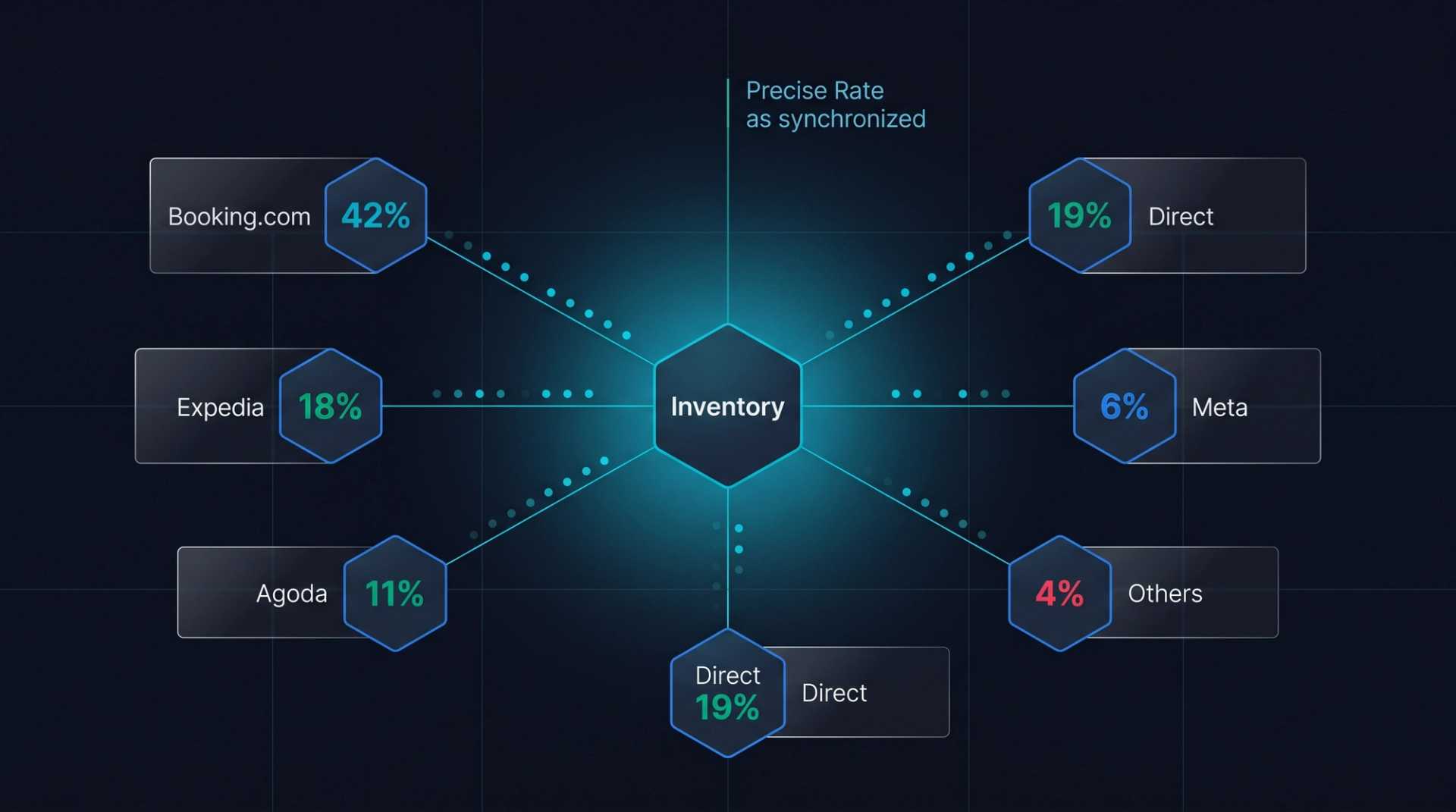
70% of pop-up hotel reservations come from direct sales (their own website and event partnerships), while 30% come from OTA channels. This distribution ratio is the inverse of traditional hotels. The reason is the strong association of pop-up hotels with specific events and agreements made with event organizers.
The event partnership model is particularly effective: securing an agreement as an official accommodation partner with a festival or sports organization provides both marketing support and a direct stream of reservations.
Financial Model and Return on Investment
The financial model of a pop-up hotel is based on high-margin but short operational periods.
Revenue Potential
For a 50-unit festival pop-up hotel during a 4-night event:
- Average nightly rate: 2,000 TL
- Occupancy: 95%
- Gross accommodation revenue: 380,000 TL
- Ancillary revenues (F&B, experiences): 60,000 TL
- Total revenue: 440,000 TL
Cost Structure
- Setup and takedown: 80,000 TL
- Personnel (4 days): 45,000 TL
- Infrastructure (energy, water): 25,000 TL
- Insurance and permits: 15,000 TL
- Total cost: 165,000 TL
Profit margin: 62%
Pop-up hotel equipment can be utilized for 8-12 events per year. In this scenario, annual total revenue can reach between 3.5-5.3 million TL, with the equipment investment potentially paid back in the first year.
The pop-up hotel concept offers an attractive opportunity for entrepreneurs entering the hospitality sector due to its low initial investment, high-profit margins, and flexible business model. Turkey's rich event calendar and growing festival culture provide fertile ground for the rapid growth of this segment.
![Europe's Hotel Construction Boom: 2026 Oversupply Risks [Market Analysis]](https://cdn.sanity.io/images/1la98t0z/production/6dfe59137f56aa14bfcba86d9db3cf05ff89f406-2752x1536.jpg?w=1920&q=50&auto=format&fit=max)