Key Takeaways
- Significant Opportunity Gap: While 72% of travelers prioritize exercise, only 38% are satisfied with hotel fitness centers, revealing a major area for improvement and guest loyalty.
- Strategic Design & Equipment: Modern fitness centers require thoughtful zoning (cardio, free weights, flexibility, functional training) and investment in premium, well-maintained equipment with a clear renewal cycle.
- Digital Integration is Essential: Leverage smart device connectivity, virtual training screens, real-time occupancy tracking, and personalized programs to significantly enhance the guest experience and drive usage.
- Transform to a Profit Center: Shift the fitness center from a cost to a revenue generator through personal training, group classes, premium amenity sales, local memberships, and holistic wellness packages.
- Data-Driven Optimization: Implement 24/7 access and track key performance indicators (KPIs) like usage rate, satisfaction scores, and revenue per square meter to maximize operational efficiency and return on investment.
Fitness is Now an Integral Part of Travel
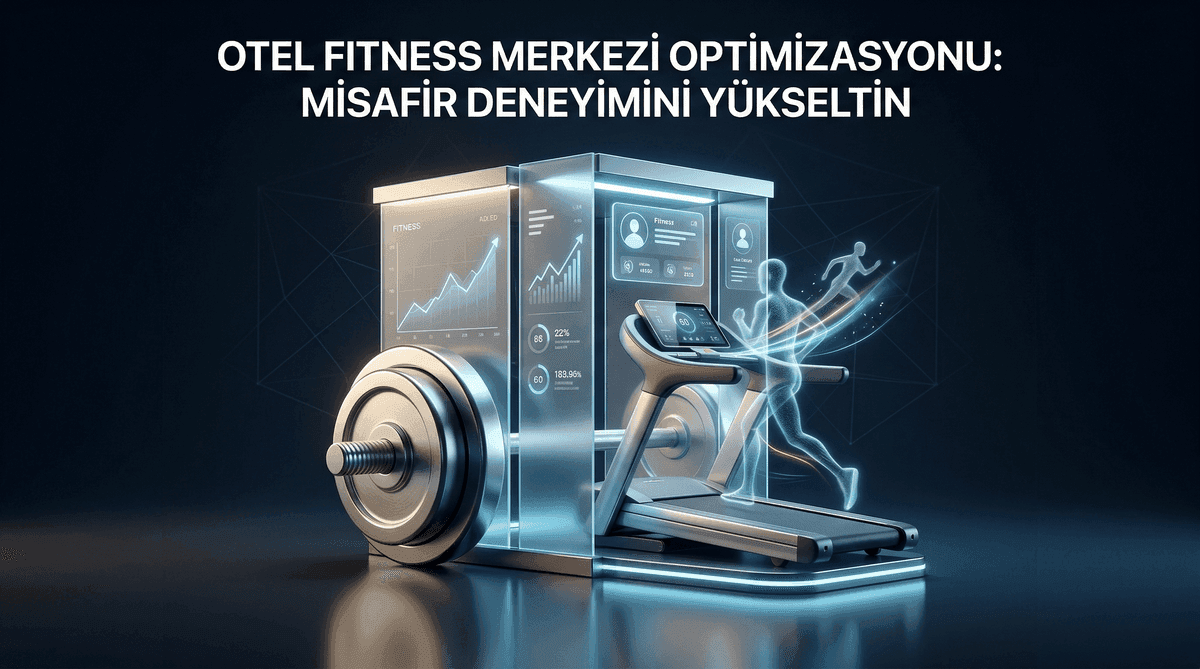
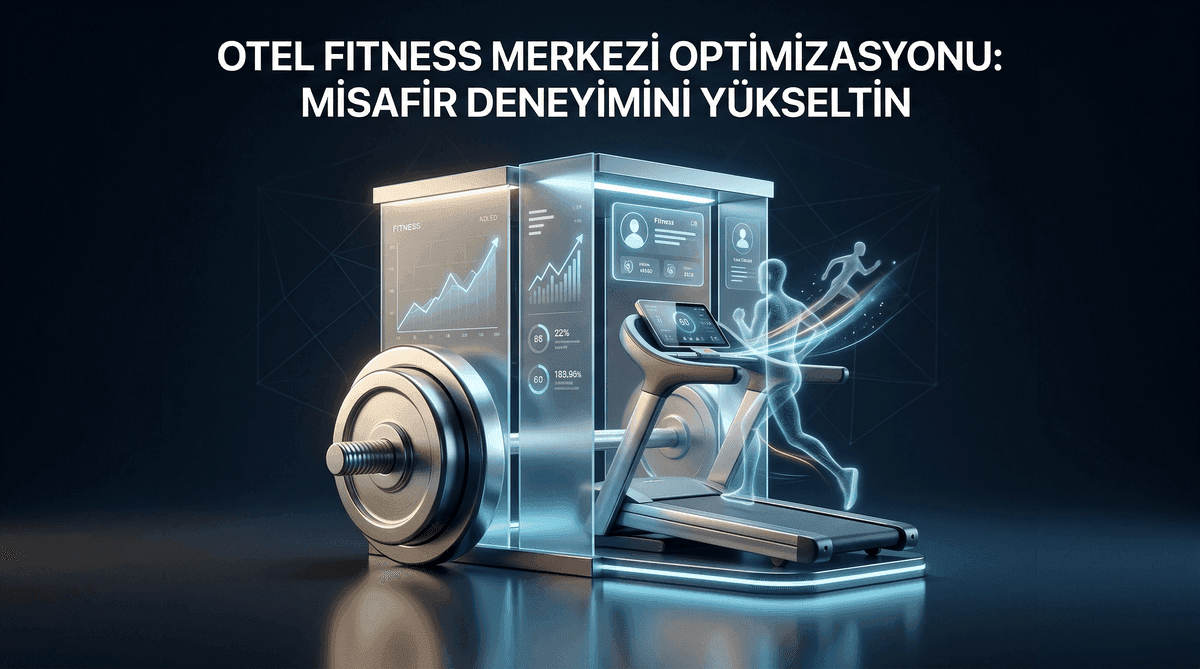
Globally, the fitness industry reached a market size of 96 billion dollars in 2026. The intersection of this massive market with hospitality is expanding annually: according to Global Wellness Institute data, 72% of business and leisure travelers want to maintain their exercise routines during their stay. However, the same research reveals that satisfaction with hotel fitness centers is only 38%.
This enormous satisfaction gap also means an enormous opportunity. In most hotels in Turkey, the fitness center consists of a few old treadmills, rusted dumbbells, and poor ventilation. The guest opens the door, closes it in disappointment, and never opens the room's door again.
What if the hotel fitness center could be transformed into an experiential space where guests say, "I wish I could have stayed longer"?
Embed this image on your site
<a href="https://otelciro.com/en/news/optimize-hotel-fitness-a-2026-strategy-guide">
  <img src="https://cdn.sanity.io/images/1la98t0z/production/1f4b82c5acc8377703e40bf6d1a256be85fd7fd4-1200x669.png" alt="Hotel Fitness Center Experience Infographic" width="800" />
</a>
<p>Source: <a href="https://otelciro.com">OtelCiro</a> — AI Hotel Revenue Management</p>
Related reading: Digital Detox Package: Unplugged Luxury Experience
Modern Hotel Fitness Center Design Principles
Space Planning and Zoning
An effective hotel fitness center should be divided into zones that support different types of exercise:
Cardiovascular zone: Treadmills, elliptical bikes, and rowing machines. A minimum of 4-6 machines, preferably positioned in front of a window with a view. Each machine should have an individual screen, Bluetooth headphone connectivity, and a charging port.
Free weights zone: Dumbbell set (2-30 kg), pull-up station, TRX suspension system, and functional training area. This zone should cover at least 30% of the total area — as modern fitness trends lean towards free weight training.
Flexibility and yoga zone: A quiet corner equipped with yoga mats, foam rollers, resistance bands, and a mirror wall. This area increases the usage rate by female guests by 45%.
Functional training area: Open space equipped with kettlebells, battle ropes, plyo boxes, and slam balls. With the rise of CrossFit and HIIT trends, the importance of this zone is growing.
Total area recommendation: Minimum 80-120 m² for a 50-room hotel, and 150-250 m² for a 100+ room hotel.
Equipment Selection and Renewal Cycle
Equipment quality forms the foundation of the fitness center experience:
- Brand preference: Premium brands like Technogym, Life Fitness, or Precor elevate guest perception. These brands offer products specifically for the "hotel fitness" segment.
- Renewal cycle: Cardiovascular equipment should be renewed every 5-7 years, and free weights every 8-10 years.
- Maintenance schedule: Weekly general checks, monthly detailed maintenance, and annual professional service are mandatory.
- Hygiene standards: Disinfectant wipes next to each machine, a minimum distance of 1.5 meters between machines.
Equipment investment for a 50-room hotel ranges from 300,000-800,000 TL. However, the return on this investment should be measured not only by direct revenue but also by guest satisfaction, OTA scores, and repeat stay rates.
Digital Integration: Smart Fitness Center
In 2026, a hotel fitness center's digital infrastructure is as important as its physical infrastructure:
Smart device integration: Guests should be able to connect their own fitness apps (Apple Health, Strava, Nike Training) to hotel equipment. Workout data is automatically saved to their personal profile. This feature is rated "very important" by 67% of fitness enthusiasts.
Virtual training screens: On-demand workout videos on every cardiovascular machine — Peloton-style virtual classes, scenic running routes, and guided yoga sessions. The monthly license cost for this system is 200-500 TL per machine, but it increases the usage rate by 55%.
Occupancy tracking: A real-time occupancy indicator allows guests to see how crowded the fitness center is from their room. During peak hours, alternative activity suggestions (outdoor walks, in-room exercise programs) can be offered.
Personalized program: Personalized workout program recommendations based on fitness preferences collected during check-in or via an app. This service can be implemented even with a simple algorithm and increases guest loyalty by 30%.
With OtelCiro operations management, you can manage fitness center occupancy data, equipment maintenance schedules, and guest preferences from a single platform.
Related reading: Hotel Lobby Experience: First Impression Area Design
Revenue Model: How a Fitness Center Generates Income
It is possible to transform a fitness center from a cost center into a revenue center:
Personal trainer services: 500-1,500 TL per session. 8-12% of hotel guests request this service. Annual potential: 200,000-600,000 TL.
Group classes: Group activities such as morning yoga, HIIT sessions, Pilates classes. 200-400 TL per person. A dual revenue source from both hotel guests and local membership sales.
Premium amenity sales: Sports apparel (branded T-shirts, shorts), protein bars, sports drinks, and accessories. This item alone can generate 10,000-30,000 TL in monthly revenue.
Local membership program: Selling monthly memberships to local residents for your hotel's fitness center. This model is particularly effective in city hotels — you utilize the space during low-occupancy hours while building community ties. 1,000-2,500 TL per member per month.
Wellness packages: Fitness + spa + nutrition counseling combo packages. A 3-night "Fitness Retreat" package can be priced at 8,000-15,000 TL per person.
Timing and Operational Efficiency
Analyzing usage data is critical to optimizing fitness center operations:
Peak hours (typical hotel fitness center):
- 06:00-08:00: Business travelers (35% usage)
- 10:00-12:00: Leisure travelers (20% usage)
- 16:00-18:00: Mixed usage (30% usage)
- 20:00-22:00: Night users (15% usage)
Based on this data, planning group classes for off-peak hours, optimizing staff shifts, and adjusting the cleaning schedule accordingly increases operational efficiency by 25%.
24/7 access: Offering 24/7 access with a card or mobile key is critical, especially for international guests arriving from different time zones. Hotels offering 24/7 access have a 40% higher fitness center usage rate.
Measurement: Which KPIs to Track?
- Usage rate: How many residing guests use the fitness center (target: >25%)
- Average usage duration: Minutes per visit (target: 35-50 minutes)
- Equipment usage distribution: Which machine/zone is more popular (for investment decisions)
- Guest satisfaction score: Fitness center-specific survey (target: >4.2/5)
- Revenue/square meter: Revenue generated per square meter of fitness area
- OTA review impact: Rate and tone of reviews mentioning the fitness center
Conclusion: The Fitness Center is the Heart of the Hotel Experience
For the modern traveler, fitness is not a habit left behind on vacation, but a lifestyle carried along. When your hotel's fitness center respects this lifestyle — with quality equipment, a clean space, digital integration, and personalized service — guest loyalty naturally increases.
Remember: Guests don't just want to break a sweat when they enter the fitness center. They are looking for an experience where they invest in themselves, renew their energy, and feel good. Providing this experience transforms your hotel from a "place to stay" into a "living space."
![Europe's Hotel Construction Boom: 2026 Oversupply Risks [Market Analysis]](https://cdn.sanity.io/images/1la98t0z/production/6dfe59137f56aa14bfcba86d9db3cf05ff89f406-2752x1536.jpg?w=1920&q=50&auto=format&fit=max)