![Nostalgia Marketing: Retro Hotel Experiences [2026 Strategy]](https://cdn.sanity.io/images/1la98t0z/production/0326ed7b6e39b98998a72f8b9e42382edd5b36a0-1200x669.png?w=1920&q=65&auto=format&fit=max)
Key Takeaways
- Nostalgia marketing drives emotional connections, increasing guest willingness to pay by 15-20% and boosting ADR for themed rooms by 20-35%.
- Leverage Turkey's rich hospitality heritage, from Ottoman traditions to Republican-era aesthetics, for authentic guest experiences.
- Implement detailed retro design elements like analog touches, period cuisine, and themed amenities to deepen guest engagement.
- Segment your target audience (Millennials, Gen X, Baby Boomers, Gen Z) and tailor marketing channels for optimal conversion, increasing rates by 35%.
- Price nostalgia-themed experiences strategically through packages and premium rooms, measuring success via social shares, ADR, and repeat visits.
Why is Nostalgia a Powerful Marketing Tool?
The human brain encodes positive memories from the past 30% more strongly than current experiences. Research published in the Journal of Consumer Research shows that the feeling of nostalgia increases consumer willingness to pay by 15-20%. This effect is even more pronounced in the travel industry: according to Booking.com's 2025 Traveller Confidence Report, 61% of travelers state they are looking for "authentic, past-evoking experiences."
For hotels, nostalgia marketing is not just about placing old furniture or hanging vintage wallpaper. It's about evoking a specific era, atmosphere, or cultural memory to build an emotional connection with guests. This emotional bond bypasses rational price comparison and builds strong brand loyalty.
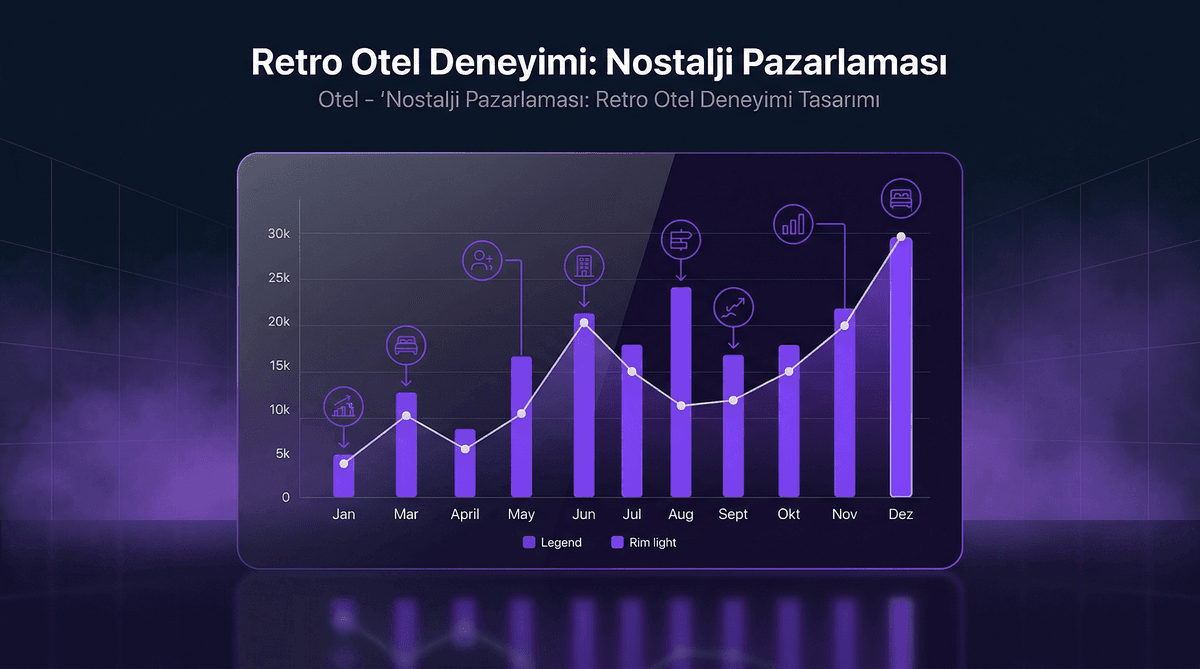
Embed this image on your site
<a href="https://otelciro.com/en/news/nostalgia-marketing-retro-hotel-experiences-2026-strategy">
  <img src="https://cdn.sanity.io/images/1la98t0z/production/0326ed7b6e39b98998a72f8b9e42382edd5b36a0-1200x669.png" alt="Nostalgia Marketing Retro Hotel Experience Infographic" width="800" />
</a>
<p>Source: <a href="https://otelciro.com">OtelCiro</a> — AI Hotel Revenue Management</p>
Related reading: Hotel Upselling and Cross-selling Techniques
Transforming Turkish Hospitality Heritage into an Experience
Turkey's rich hotel heritage offers a unique resource for nostalgia marketing. From Ottoman inns and caravanserais to grand Republican-era hotels, Aegean guesthouses, and Cappadocia stone houses, there is a deep cultural accumulation.
Ottoman guest tradition: Ottoman hospitality rituals can be adapted to modern hotel management. Offering sherbet upon arrival, a welcome message at the room door, a hammam experience, and Turkish coffee service — these rituals provide an authentic cultural experience while supporting premium pricing.
Republican-era aesthetics: The Art Deco and early Republican architecture from the 1920s-50s can be revived, especially in historic hotels in Istanbul and Ankara. Menus in the typography style of the period, room cards designed like vintage luggage tags, and period music playlists create atmosphere.
Local crafts and handicrafts: Furnishing rooms with products from local artisans supports both nostalgia and sustainability. Tile plates, copper accessories, hand-woven kilims, and traditional ceramics add both visual and cultural depth.
Storytelling: Assign a story to each room or floor. Historical narratives like "Poet X stayed in this room in 1954" or "This building was Pasha Y's mansion in 1923" transform the accommodation experience into a journey of discovery. Studies show that story-driven hotels have a 45% higher social media sharing rate.
Retro Design Elements: Experience Hidden in Details
The success of nostalgia marketing lies in the details. Beyond the general atmosphere, small touches deepen the guest's emotional experience.
Analog touches: In the digital age, analog experiences have become a luxury. A typewriter, Polaroid camera, vinyl record player, or board games placed in the room allow guests to disconnect from screens and enjoy the moment. Brands like Ace Hotel and Hoxton can achieve 25% higher room rates with this approach.
Period cuisine: Offer traditional recipes from your hotel's region in the restaurant. Dishes prepared with a "grandmother's recipe" concept transform an ordinary dinner into an emotional experience. Guest satisfaction increases by 18% when stories and origins of recipes are shared on the menu.
Retro packaging: Present room amenities (soap, shampoo, lotion) with period-style packaging. 1960s typography, pastel color palettes, and nostalgic graphics create a collectible experience instead of a simple bathroom set. 38% of guests share nostalgia-themed amenities on social media.
Photo corners: Photo corners created with period costumes, vintage furniture, and old-fashioned accessories generate organic social media content. Every share is free advertising, and nostalgia-themed photo corners have an average engagement rate 72% higher than standard hotel posts.
Target Audience Segmentation and Channel Strategy
Nostalgia marketing appeals differently to each age group:
Millennials (ages 28-43): 90s nostalgia, retro gaming consoles, neon lights, and vintage poster aesthetics resonate strongly with this demographic. Create visually rich content on Instagram and TikTok.
Gen X (ages 44-59): 70s-80s aesthetics, rock music themes, bohemian atmosphere, and analog experiences. Facebook and email marketing are more effective for this segment.
Baby Boomers (ages 60+): 50s-60s elegant aesthetics, jazz music, classic Turkish cinema references. Reach them through traditional media and loyalty programs.
Gen Z (ages 18-27): Paradoxically, a nostalgia (anemoia) for periods they never lived. Film cameras, cassette players, and vintage fashion are trends for this generation. Share experiences in short video formats (Reels, TikTok).
Differentiating channel and message strategy according to the target audience increases the conversion rate of nostalgia marketing by 35%.
Related reading: Global Traveler Profiles
Pricing Strategy: Premium Pricing for Nostalgia
Nostalgia-themed experiences can be priced higher than standard rooms:
Experience packages: Create packages like accommodation + hammam + Turkish coffee workshop + historical tour. Even if the package price is 10-15% lower than the separate prices of its components, the total revenue will be 40% higher because the guest purchases more services.
Thematic rooms: Themed rooms designed around a specific period or story provide 20-35% higher ADR (Average Daily Rate) compared to standard rooms. Limit the number of thematic rooms to 15-20% of the total inventory to create a perception of rare value.
Seasonal nostalgic events: Vintage party for New Year's, reviving Iftar traditions during Ramadan, outdoor cinema in summer — seasonal nostalgic events support occupancy rates.
OtelCiro's digital sales platform optimizes the pricing of thematic packages with competitor analysis and demand forecasting, maximizing the revenue potential of the nostalgia experience.
Measuring Success and Sustainability
Track the following metrics to measure the effectiveness of nostalgia marketing:
- Social media sharing rate: Organic reach and engagement rate of nostalgia content
- ADR increase: Price premium of thematic rooms and packages compared to standard products
- Repeat visit rate: Percentage of guests who return after experiencing nostalgia; target: 50% higher than standard guests
- Online review score: Proportion of experience-focused reviews and average rating
- UGC (user-generated content): Volume of social media content created by guests
Nostalgia marketing is a long-term strategy that requires authenticity and consistency. Artificial or superficial applications erode guest trust. When you offer real stories, quality design, and genuine experiences, nostalgia becomes your hotel's most powerful differentiator.
![Europe's Hotel Construction Boom: 2026 Oversupply Risks [Market Analysis]](https://cdn.sanity.io/images/1la98t0z/production/6dfe59137f56aa14bfcba86d9db3cf05ff89f406-2752x1536.jpg?w=1920&q=50&auto=format&fit=max)