![LRA: Maximizing OTA Visibility & Mitigating Risk [2026]](https://cdn.sanity.io/images/1la98t0z/production/1a2410b109fe7c8a29013fc4ee448bccfa34dca6-1376x768.jpg?w=1920&q=65&auto=format&fit=max)
Key Takeaways
- LRA Boosts Visibility & Conversions: Last Room Availability (LRA) grants OTAs the right to sell your last available room, dramatically increasing your visibility (up to 18% on Booking.com) and improving conversion rates.
- Significant Risks Involved: While beneficial, LRA introduces high risks of overbooking due to channel manager synchronization delays and can limit your revenue management flexibility, especially for last-minute, high-priced bookings.
- Strategic Implementation is Crucial: LRA is not suitable for every hotel. High-occupancy premium hotels may lose out on direct revenue, while hotels with low occupancy or newly opened properties can benefit from increased exposure.
- Mitigate Risks with Technology & Strategy: To leverage LRA safely, implement a robust channel manager with sub-1-minute sync speeds, employ a buffer room strategy, utilize dynamic pricing, and manage LRA selectively based on seasonality.
- AI-Powered Optimization: Advanced sales ecosystems, like OtelCiro's, can use AI to optimize LRA and allotment strategies, offering real-time inventory management, automated buffer calculations, and overbooking protection.
Last Room Availability: A Powerful Weapon or a Risky Trap?
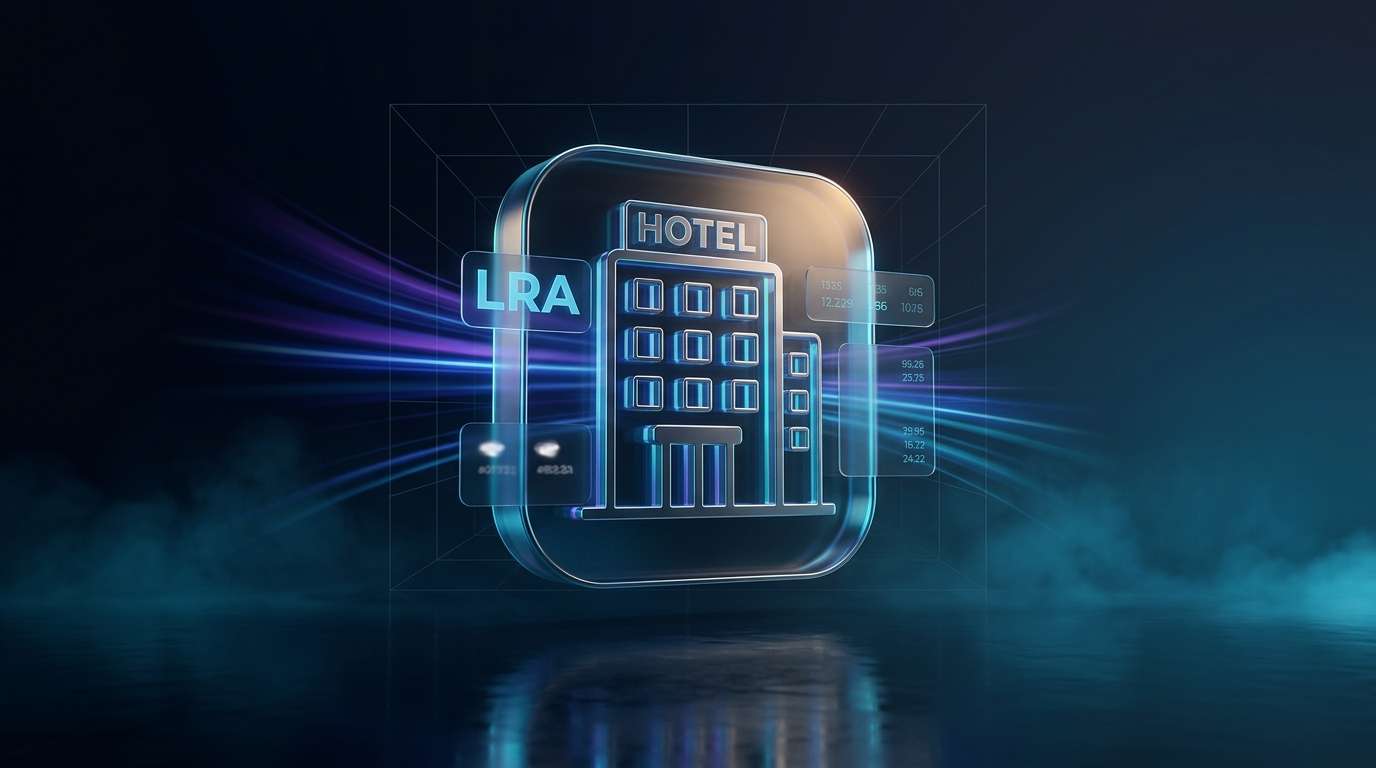
In the OTA world, one of the most debated topics is Last Room Availability (LRA) — the guarantee of selling the last available room. LRA is a contractual clause that grants an OTA the right to sell even the very last room available in your hotel. While this can dramatically boost your OTA ranking, it also carries the risk of overbooking and a loss of revenue management flexibility.
According to industry data, hotels offering an LRA guarantee gain an average of 12-18% more visibility on Booking.com. But what is the true cost of this visibility?
Embed this image on your site
<a href="https://otelciro.com/en/news/lra-maximizing-ota-visibility-mitigating-risk-2026">
  <img src="https://cdn.sanity.io/images/1la98t0z/production/1a2410b109fe7c8a29013fc4ee448bccfa34dca6-1376x768.jpg" alt="Last Room Availability (LRA) availability guarantee strategy infographic" width="800" />
</a>
<p>Source: <a href="https://otelciro.com">OtelCiro</a> — AI Hotel Revenue Management</p>
Related reading: Competing with Airbnb: An Alternative Accommodation Strategy for Hotels
Related reading: GDS 2026: Amadeus, Sabre, and Travelport Hotel Strategies
How Does LRA Work?
In traditional OTA distribution, a hotel provides channels with a specific allotment (quota). Once the allotment is filled, the channel cannot sell further. LRA, however, removes this limit:
- As long as the hotel shows available rooms in the PMS, the OTA can sell.
- The concept of allotment disappears — real-time availability is in effect.
- All rooms, including the last room, can be sold via the OTA.
LRA vs Allotment-Based Distribution
| Feature | Allotment | LRA |
|---|---|---|
| Availability | Fixed allotment | Real-time |
| OTA access | Limited room count | All rooms (including last) |
| Ranking impact | Standard | Significant increase |
| Overbooking risk | Low | Moderate-high |
| Revenue management flexibility | High | Limited |
| Close-out control | Easy | Careful management required |
Embed this image on your site
<a href="https://otelciro.com/en/news/lra-maximizing-ota-visibility-mitigating-risk-2026">
  <img src="https://cdn.sanity.io/images/1la98t0z/production/d7d8dd717a0471ca7d480294091db24c1186f694-1200x669.png" alt="2026 hotel channel manager selection guide" width="800" />
</a>
<p>Source: <a href="https://otelciro.com">OtelCiro</a> — AI Hotel Revenue Management</p>
Advantages of LRA
1. Ranking Boost
OTAs reward hotels that offer LRA in their algorithms. Booking.com, for example, displays hotels with an availability guarantee higher in search results. This is a direct factor influencing Booking.com's algorithm ranking.
2. Increased Conversion Rate
Hotels with an availability guarantee are less likely to show "no rooms available" for a given date. Guests can find a room whenever they search, which increases the conversion rate.
3. Strengthened OTA Relationship
LRA signals trust to OTAs. In return, OTAs often provide better positioning, special promotional opportunities, and dedicated account manager support.
4. Real-Time Inventory Management
Working with LRA necessitates excellent PMS-channel manager integration. This, in turn, improves your overall inventory management quality.
Related reading: Boost Direct Bookings: Reduce OTA Dependency
Related reading: Metasearch Advertising: Trivago, Google Hotels, and Kayak Strategy
Risks of LRA
1. Overbooking
The biggest risk is overbooking, which occurs when multiple channels simultaneously sell the last room. Channel manager synchronization delays (1-5 minutes) increase this risk.
Precaution: Ensure your channel manager sync speed is under 1 minute. Leave buffer rooms during high-occupancy periods.
2. Loss of Revenue Management Flexibility
Your strategy of selling last rooms at a higher price through direct channels can be undermined by LRA. Last rooms sold at lower prices through an OTA can cause you to miss out on potentially high-revenue guests.
3. Difficulty with Close-Outs
If you need to close OTA sales for specific dates due to special events, renovations, or strategic reasons, an LRA contract can make this difficult.
4. Pricing Pressure
Along with LRA, OTAs often expect aggressive pricing. The pressure to "give us your last room, but also lower the price" can increase.
Embed this image on your site
<a href="https://otelciro.com/en/news/lra-maximizing-ota-visibility-mitigating-risk-2026">
  <img src="https://cdn.sanity.io/images/1la98t0z/production/d36123c644ddc3c115453411f9a55397cf34970b-1200x2150.png" alt="AI-powered revenue management platform architecture" width="800" />
</a>
<p>Source: <a href="https://otelciro.com">OtelCiro</a> — AI Hotel Revenue Management</p>
LRA Decision: Strategic Matrix
LRA is not the right decision for every hotel. Evaluate using the following matrix:
| Scenario | LRA Recommendation | Reason |
|---|---|---|
| Hotel with low occupancy issues | Yes | Needs more visibility |
| High-occupancy premium hotel | No / Cautiously | Last rooms more profitable via direct channels |
| Strong channel manager integration | Yes | Low overbooking risk |
| Manual channel management | No | Very high overbooking risk |
| Newly opened hotel | Yes | Gain visibility quickly |
| Seasonal hotel (resort) | Seasonal | Yes in low season, close in peak season |
LRA Optimization Strategy
Seasonal LRA Management
- Low season: LRA open, availability guaranteed to all OTAs.
- Mid-season: LRA open, but minimum price rules are tightened.
- High season: Selective LRA — only for the top 2-3 performing OTAs.
- Peak period: LRA closed or limited with buffer rooms.
Buffer Room Strategy
Reserve the last 5-10 rooms for direct channels, phone bookings, and walk-ins. Apply LRA for rooms above this buffer. This way, you benefit from OTA visibility while protecting the revenue potential of your last rooms.
LRA with Dynamic Pricing
Using strong dynamic pricing in conjunction with LRA minimizes risks. When the price of the last rooms automatically increases, the risk of them being sold at a low price via an OTA decreases.
Related reading: Expedia Group Hotel Strategies: Including Hotels.com and Vrbo
Smart Availability Management with OtelCiro
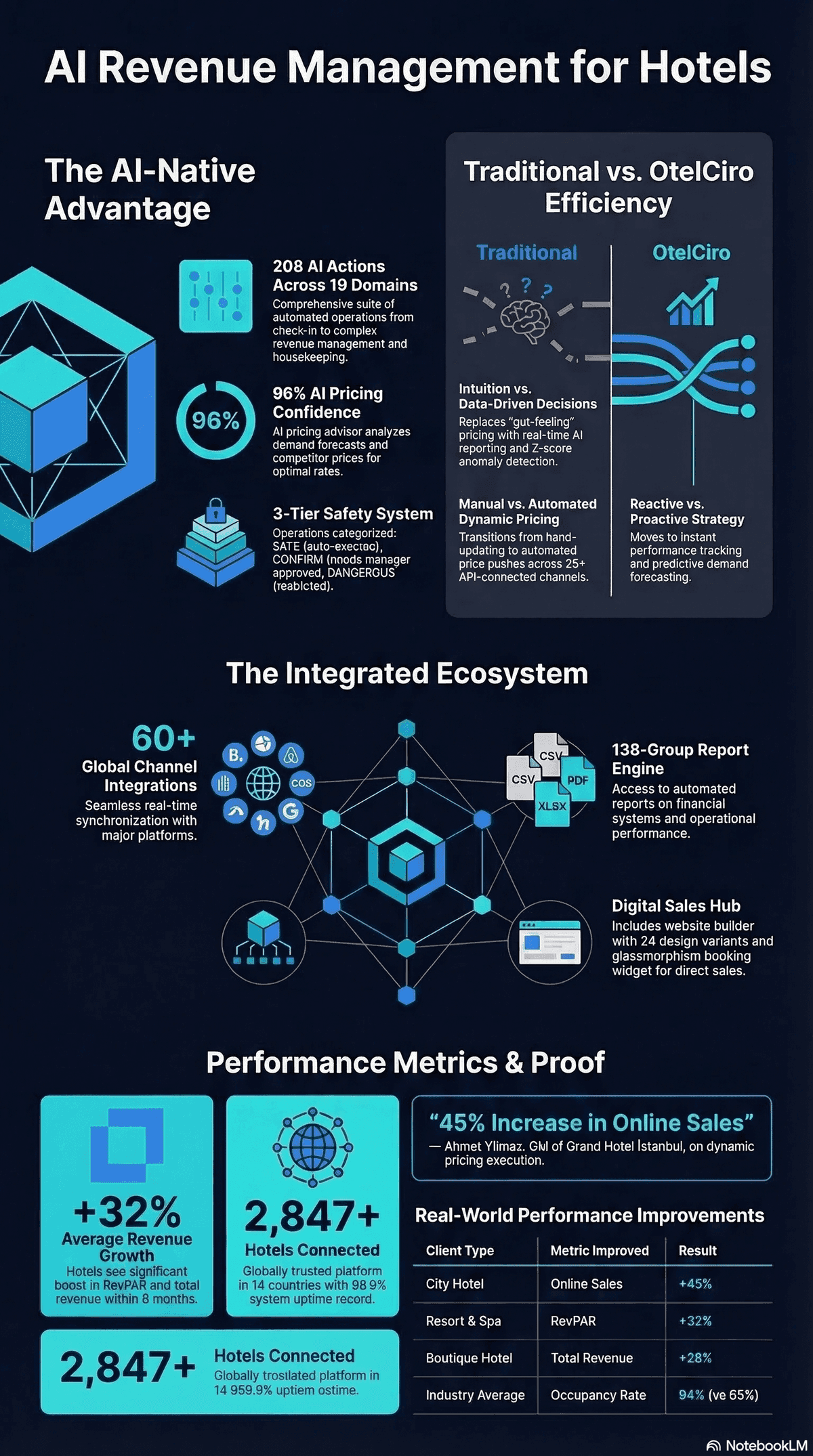
OtelCiro's sales ecosystem leverages AI to optimize your LRA and allotment strategy. With real-time inventory management, automated buffer room calculations, and overbooking protection mechanisms, you can benefit from LRA's advantages without the risks.
Optimize your availability management with OtelCiro's Sales Ecosystem
Conclusion
Last Room Availability, when used correctly, is a powerful tool that can boost your OTA ranking and increase occupancy. However, if implemented without control, it can lead to overbooking, revenue loss, and channel management problems. Turn LRA to your advantage with a seasonal approach, a buffer room strategy, and a robust technology infrastructure.
![Europe's Hotel Construction Boom: 2026 Oversupply Risks [Market Analysis]](https://cdn.sanity.io/images/1la98t0z/production/6dfe59137f56aa14bfcba86d9db3cf05ff89f406-2752x1536.jpg?w=1920&q=50&auto=format&fit=max)