![Lighthouse Hotels: Unique Stays & Investment [2026 Guide]](https://cdn.sanity.io/images/1la98t0z/production/03e22b6281073a0396be32d4188ec56eb658ab77-2752x1536.jpg?w=1920&q=65&auto=format&fit=max)
Key Takeaways
- Lighthouse hotels are a high-satisfaction niche, achieving 9.2/10 guest scores (18% above average) and a 34% repeat visit rate.
- Conversion models range from ultra-premium, tower-only units (€500-€2,000/night) to complex developments with multiple rooms and amenities.
- Success relies on targeting specific niche segments like romance seekers, creatives, photographers, adventure lovers, and history enthusiasts.
- Turkey offers significant potential with approximately 400 lighthouses, many of which are suitable for conversion with government incentives.
- Operational planning for isolated locations (energy, water, access) and compelling emotional storytelling are critical for marketing success.
Lighthouse Hotels: Guests Following the Light
For centuries, lighthouses have been iconic structures guiding sailors, symbolizing romance, adventure, and discovery in humanity's collective memory. Today, these historic structures are being transformed into niche hotel concepts offering unique accommodation experiences. From England to Scotland, Norway to the USA, hundreds of lighthouses worldwide have found a new life as boutique lodging facilities.
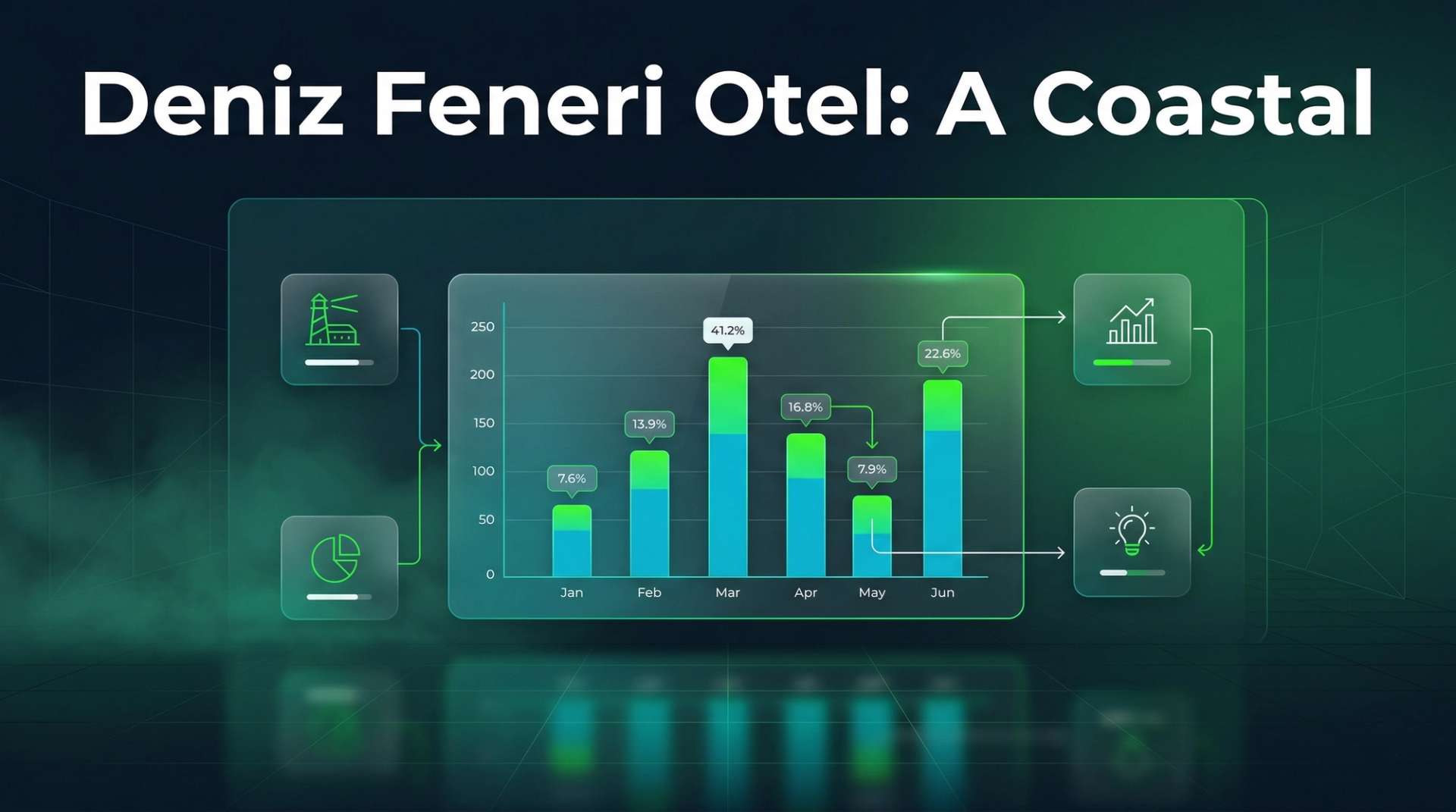
In the global unique accommodation market, lighthouse hotels stand out as one of the sub-categories with the highest guest satisfaction scores. The average guest satisfaction score for these properties is 9.2/10, running 18% above the industry average. The repeat visit rate is 34%, double that of traditional hotels.
Embed this image on your site
<a href="https://otelciro.com/en/news/lighthouse-hotels-unique-stays-investment-2026-guide">
  <img src="https://cdn.sanity.io/images/1la98t0z/production/03e22b6281073a0396be32d4188ec56eb658ab77-2752x1536.jpg" alt="Deniz Feneri Otel" width="800" />
</a>
<p>Source: <a href="https://otelciro.com">OtelCiro</a> — AI Hotel Revenue Management</p>
In this article, we explore the restoration process, operational model, niche market strategy, and potential of lighthouse hotel concepts in Turkey.
Related reading: Reputation Management ROI: The Financial Impact of Guest Satisfaction
Lighthouse Conversion Process
Transforming lighthouses into accommodation facilities requires striking a balance between preserving the structure's original character and providing modern comfort standards.
Structural Analysis and Challenges
Lighthouses are not structures designed for accommodation. Therefore, the conversion process involves unique challenges:
Space constraint: A typical lighthouse tower is a circular structure with a diameter of 3-8 meters. The total usable area ranges from 50-200 m². This constraint usually limits the number of rooms to 1-5 units.
Staircases: Spiral staircases are a characteristic element of lighthouses but create accessibility issues. Adding an elevator is often impossible due to structural and aesthetic reasons.
Location isolation: Lighthouses are typically located in difficult-to-access areas—on rocky headlands, small islands, or steep coastlines. This isolation is both part of the experience and an operational challenge.
Weather conditions: Coastal structures are exposed to severe winds, saltwater spray, and extreme humidity. Structural maintenance costs are 40-60% higher than for standard buildings.
Conversion Models
Model 1: Tower-only conversion. The lighthouse tower is converted into an accommodation unit. Typically 1-2 room capacity, ultra-premium pricing. Nightly rate 500-2,000 euro.
Model 2: Tower + keeper's house. The old lighthouse keeper's house next to the tower is also included as an accommodation area. 3-6 room capacity. More spacious common areas and service facilities.
Model 3: Complex conversion. The lighthouse, keeper's house, storage, and garden areas are entirely converted into accommodation and experience spaces. 5-12 room capacity, with restaurant and activity areas.
Niche Market Strategy
Lighthouse hotels should not attempt to appeal to a broad audience. Success comes from identifying the right niche market and focusing on that segment.
Target Segments
Romance seekers (40%): Marriage proposals, honeymoons, and anniversary celebrations. The romance of a lighthouse offers an ideal narrative for this segment. The average spending of this segment is 55% higher per night.
Writers and artists (15%): For creative professionals seeking inspiration, the isolation and dramatic scenery of a lighthouse provide a perfect setting. Longer stays (3-7 nights).
Photographers (15%): A unique location for sunrise, sunset, and night sky photography. Photography workshops can generate additional revenue.
Adventure seekers (15%): Travelers looking to combine accommodation with activities like hiking on rocky coastlines, diving, and sea kayaking.
History enthusiasts (15%): Individuals interested in maritime history and lighthouse culture. A museum-hotel hybrid model is attractive for this segment.
Pricing Strategy
The pricing power of lighthouse hotels is fueled by scarcity value. The number of lighthouses offering accommodation worldwide is limited, and this uniqueness justifies premium pricing.
| Segment | Nightly Rate Range | Average Stay | Occupancy |
|---|---|---|---|
| Ultra-premium (single) | 1,000-3,000 € | 2 nights | 90% |
| Premium (3-5 rooms) | 400-1,000 € | 2-3 nights | 75% |
| Boutique (5-12 rooms) | 200-500 € | 3-4 nights | 68% |
Related reading: Hotel Price Elasticity Analysis
Lighthouse Potential in Turkey
There are approximately 400 lighthouses along Turkey's coasts. The vast majority of these lighthouses belong to the General Directorate of Coastal Safety, and most now operate with automated systems, no longer housing lighthouse keepers. This situation makes the supporting structures with conversion potential available.
Potential Locations
Bozcaada Lighthouse: Located at the northern tip of Bozcaada, a popular island in Çanakkale. A boutique hotel concept integrated with island tourism and wine culture.
Anadolu Lighthouse (Istanbul): A historic lighthouse at the Black Sea entrance of the Bosphorus. Its proximity to Istanbul offers potential for day-trippers and overnight guests.
Gelidonya Lighthouse (Antalya): An iconic lighthouse on the Lycian Way. One of the most popular stops for trekking tourism. A conversion project that could offer premium accommodation to hikers.
İnceburun Lighthouse (Sinop): The lighthouse at Turkey's northernmost point. A unique location combined with the dramatic nature of the Black Sea.
Sığacık Lighthouse (Izmir): A lighthouse near the historic Sığacık Castle on the Aegean coast. A boutique hotel concept compatible with Seferihisar's cittaslow (slow city) identity.
Legal and Institutional Framework
For the conversion of lighthouses into accommodation facilities in Turkey:
- Lease or transfer agreement with the General Directorate of Coastal Safety
- Tourism investment certificate from the Ministry of Culture and Tourism
- Restoration approval from the Regional Board of Cultural Heritage Preservation (for registered structures)
- EIA report and coastal use permit
The total process duration can be 2-4 years, but with government incentives and Development Agency supports, investment costs can be reduced by 30-50%.
Operations and Guest Experience
Operating a lighthouse hotel requires managing the logistical challenges brought by isolated locations.
Energy: For lighthouses without grid connection, a combination of solar panels, wind turbines, and generators is used. Off-grid energy system costs range from 150,000-300,000 TL per unit.
Water: Options for freshwater supply include rainwater harvesting, desalination, or water tanker delivery.
Transportation: Organization of private boat services for lighthouses requiring sea access. Parking and transfer services for lighthouses with road access.
Food and beverage: Due to limited kitchen facilities, pre-prepared gourmet packages or chef services. Partnering with local fishermen to offer a "sea-to-table" experience creates a distinctive advantage.
With sales and marketing platforms, OTA management, direct booking optimization, and guest communication for small-capacity facilities can be efficiently handled.
Marketing and Storytelling
Emotional storytelling is the most powerful tool in marketing lighthouse hotels:
- Lighthouse keeper stories: Sharing the life stories of past lighthouse keepers gives guests a sense of time travel.
- Maritime heritage: Content creation around the region's maritime history, shipwrecks, and rescue stories.
- Nature documentary: Documenting the sea birds, marine life, and flora around the lighthouse.
- Seasonal tracking: Sharing content showcasing the lighthouse's different atmosphere in each season to generate year-round demand.
Lighthouse content on social media receives 220% higher organic reach and 180% more saves compared to standard hotel content. This makes low-budget organic marketing highly effective.
Lighthouse hotels represent one of the most romantic and appealing niche concepts in the hospitality sector. Turkey's rich coastal heritage and unused lighthouse stock offer a significant window of opportunity in this area. With proper restoration, strong storytelling, and a niche market focus, lighthouse hotels stand out as sustainable investments that contribute to cultural heritage and generate high returns.
![Europe's Hotel Construction Boom: 2026 Oversupply Risks [Market Analysis]](https://cdn.sanity.io/images/1la98t0z/production/6dfe59137f56aa14bfcba86d9db3cf05ff89f406-2752x1536.jpg?w=1920&q=50&auto=format&fit=max)