![Hotel Staff Recognition & Reward: Boost Motivation & Retention [2026 Guide]](https://cdn.sanity.io/images/1la98t0z/production/ecd19d14bb9d9afa28cd4d4f9552990bdb2e9d3e-2752x1536.jpg?w=1920&q=65&auto=format&fit=max)
Key Takeaways
- Low Engagement Crisis: Only 21% of hospitality employees are engaged, leading to high absenteeism (37%), lower productivity (18%), and reduced guest satisfaction (12%).
- Culture, Not Project: Recognition should be an ingrained daily culture, not a one-off event. Real-time and peer-to-peer recognition are significantly more effective.
- Comprehensive Reward System: Integrate both monetary (performance bonuses, profit-sharing) and non-monetary (extra leave, development, flexible work, experiential) rewards.
- Gamification & Tiered Programs: Implement structured, gamified reward systems with points and levels to encourage continuous participation and engagement.
- Measurable ROI: Effective programs can reduce staff turnover by 25-40%, decrease absenteeism by 22%, boost NPS by 15-20%, and increase upselling success by 30%.
The Critical Importance of Employee Motivation in Hospitality
In the hospitality industry, the most critical factor determining service quality is the motivation and engagement of customer-facing employees. According to Gallup's 2025 data, only 21% of employees in the accommodation sector feel "engaged" in their work. This is one of the lowest rates compared to other industries. Disengaged employees experience 37% higher absenteeism, show 18% lower productivity, and reduce guest satisfaction scores by 12%.
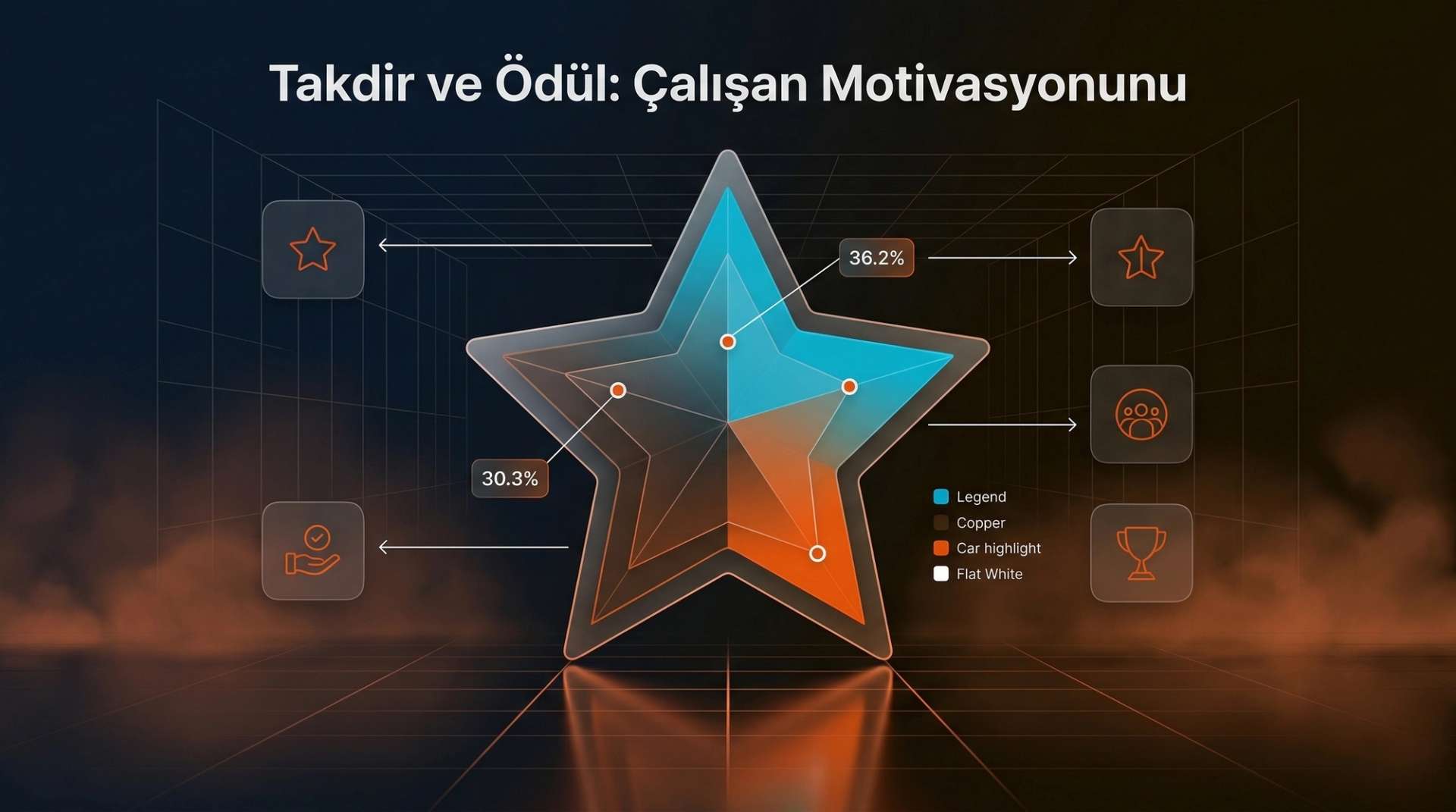
Recognition and reward programs are among the most effective tools to reverse this trend. While 63% of regularly recognized employees state they do not consider leaving their job, this rate is only 11% for employees who receive no recognition.
Embed this image on your site
<a href="https://otelciro.com/en/news/hotel-staff-recognition-reward-boost-motivation-retention-2026-guide">
  <img src="https://cdn.sanity.io/images/1la98t0z/production/ecd19d14bb9d9afa28cd4d4f9552990bdb2e9d3e-2752x1536.jpg" alt="Çalışan Takdir ve Ödül Programı" width="800" />
</a>
<p>Source: <a href="https://otelciro.com">OtelCiro</a> — AI Hotel Revenue Management</p>
Related reading: Diversity and Inclusion: Hotel Workforce Policies
Foundations of a Recognition Culture
A recognition program should be approached as a "culture," not a "project." An annual award ceremony alone is insufficient; recognition must become a natural part of daily operations.
Real-Time Recognition
Research shows that recognition given within the first 24 hours after a behavior is 4 times more effective than delayed recognition. Real-time recognition helps employees clearly understand which of their behaviors are valued.
Examples of real-time recognition:
- Immediate verbal appreciation for a front desk agent who successfully resolved a difficult guest situation.
- A thank you at a department meeting for a housekeeping staff member who went the extra mile.
- A written note of appreciation for a kitchen employee who offered an innovative idea.
- Sharing with the entire team when an employee is praised by name by a guest.
Peer-to-Peer Recognition
While recognition from managers is important, peer-to-peer recognition significantly strengthens the sense of belonging. In systems where employees can recognize each other through digital platforms:
- Recognition frequency increases 5 times (managers can give a limited number of recognitions per day, while all employees can recognize each other).
- Inter-departmental collaboration strengthens by 28%.
- 78% of employees feel more valued.
Manager Recognition
Managers' recognition habits have a decisive impact on team motivation. In teams with managers who provide regular recognition:
- Performance scores are 22% higher.
- Turnover rate is 31% lower.
- Sick day usage is 19% lower.
Giving managers a "weekly recognition target" (e.g., at least 3 specific recognitions per week) helps embed this habit.
Reward Program Design
A reward program is a structured system that supports a culture of recognition with tangible incentives. An effective reward program must consider different performance levels and various sources of motivation.
Monetary Rewards
Monetary rewards are the most traditional motivational tool but are insufficient on their own. Effective monetary reward systems include:
Performance bonuses: Quarterly or monthly bonus payments tied to RevPAR, GOP (Gross Operating Profit), or guest satisfaction targets. 72% of hotels implementing target-based bonuses report improvements in revenue targets.
Spot rewards: Instant cash rewards (between 50-500 TL) given for moments of exceptional performance. These should be free from bureaucratic processes and left to the manager's discretion.
Profit-sharing: Distributing a share of the hotel's total profitability to employees. This model ensures the entire team focuses on a common goal.
With OtelCiro's operations management module, you can track department-level performance metrics and base bonus distribution on objective data.
Non-Monetary Rewards
Research shows that non-monetary rewards are 24% more effective than cash rewards in certain situations. This is because experiences and recognition create emotional connections.
- Extra leave days: Granting additional leave days to high-performing employees. 68% of employees in Turkey value extra leave as much as cash rewards.
- Training and development opportunities: Conference participation, certification programs, or international internship opportunities. This is one of the strongest motivators for career-focused employees.
- Flexible work: Allowing high-performing back-office employees flexible working hours or remote workdays.
- Experiential rewards: Spa gift vouchers, restaurant invitations, concert tickets, or weekend stays.
- Career development: Fast-track promotions, cross-training opportunities, or participation in leadership programs.
Tiering and Gamification
Tiering and adding gamification elements to a reward program encourage continuous participation. Mechanisms such as collecting points, leveling up, and earning badges show high impact, especially among younger generations of employees.
Example tiers:
- Bronze Level (100 points): Certificate of appreciation + small gift
- Silver Level (300 points): Half-day leave + experiential reward
- Gold Level (600 points): Full-day leave + cash reward + dinner with management
- Platinum Level (1000 points): 2 days leave + career development program + "Employee of the Year" nomination
Related reading: Shift Management Optimization: Smart Scheduling with AI for Hotels
Program Implementation Steps
A systematic approach is required to successfully implement a recognition and reward program.
Preparation Phase (1-2 Months)
- Needs analysis: Employee surveys are used to determine current motivation levels, expectations, and preferences. The answers to the question "What motivates you most?" guide the program design.
- Budget planning: 1-3% of the total personnel cost should be allocated to the recognition and reward program. This investment amortizes itself within 3-6 months through reduced turnover and increased productivity.
- Technology selection: Identification of a digital recognition platform, point tracking system, and reporting infrastructure.
- Policy and procedure creation: Clearly document who can give recognition, reward criteria, point calculation methods, and measures against misuse.
Launch and Communication
Effectively communicating the program to all employees is critical for ensuring participation. Launch meetings, department-specific information sessions, and visual materials should be prepared. In the first month, you can run a "quick start" campaign to encourage early participation.
Maintenance and Improvement
Program launch is just the beginning; the real challenge is sustained maintenance. Monthly program performance reports should be prepared, quarterly employee feedback collected, and new elements regularly added to the program to keep it fresh.
Measurable Results and ROI
The impact of the recognition and reward program on tangible business results should be measured and reported to senior management. Key metrics:
- Staff turnover rate: Effective programs reduce turnover by 25-40% in the first year. Considering the cost of hiring a new employee is between 50-200% of their annual salary, the savings are substantial.
- Absenteeism rate: Recognized employees have 22% less absenteeism.
- Guest satisfaction scores: Hotels served by highly motivated teams have an NPS score 15-20% higher.
- RevPAR impact: Indirectly, the superior service quality provided by highly motivated staff increases upselling success by 30%.
- eNPS (Employee Net Promoter Score): Monitor changes in employee recommendation rates by comparing before and after program implementation.
With OtelCiro's operations management tools, you can track these metrics in real-time and continuously optimize program effectiveness. Hotels that make a culture of recognition an integral part of their daily operations achieve a sustainable competitive advantage in both employee engagement and guest satisfaction.
![Europe's Hotel Construction Boom: 2026 Oversupply Risks [Market Analysis]](https://cdn.sanity.io/images/1la98t0z/production/6dfe59137f56aa14bfcba86d9db3cf05ff89f406-2752x1536.jpg?w=1920&q=50&auto=format&fit=max)