![Hotel SEO Strategy: Organic Growth Playbook [2026]](https://cdn.sanity.io/images/1la98t0z/production/0a4d425b45671079f5b787c4ec1a2e48b311b740-1376x768.jpg?w=1920&q=65&auto=format&fit=max)
Why Hotels Cannot Afford to Ignore SEO
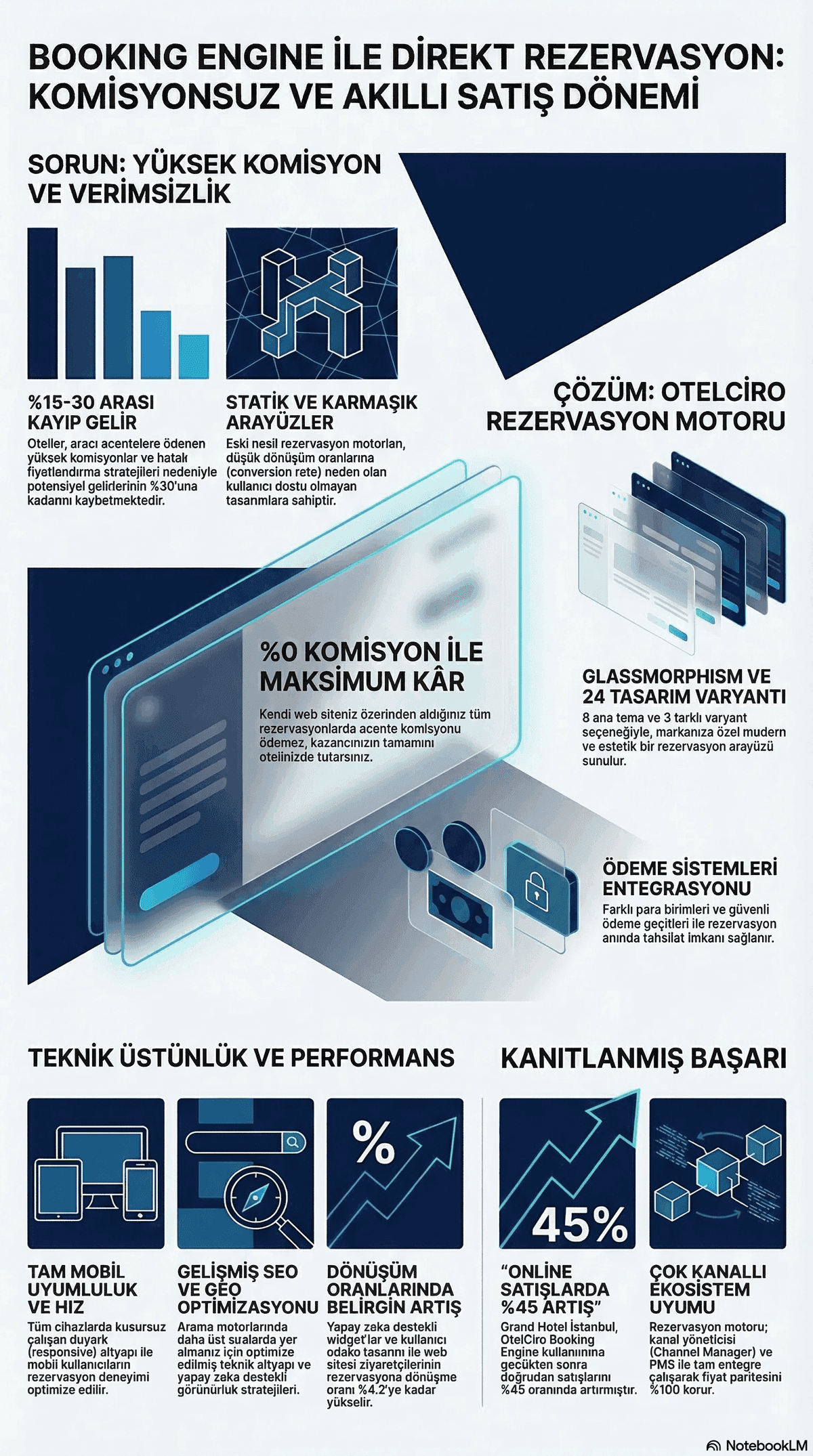
Hotels spend billions on OTA commissions while OTAs spend billions on Google ads to capture the same traffic that could flow directly to hotel websites. This circular economy bleeds hotel profitability at every turn. In 2026, organic search remains the highest-ROI marketing channel available to hotels, delivering traffic at a fraction of the cost of paid channels — if executed correctly.
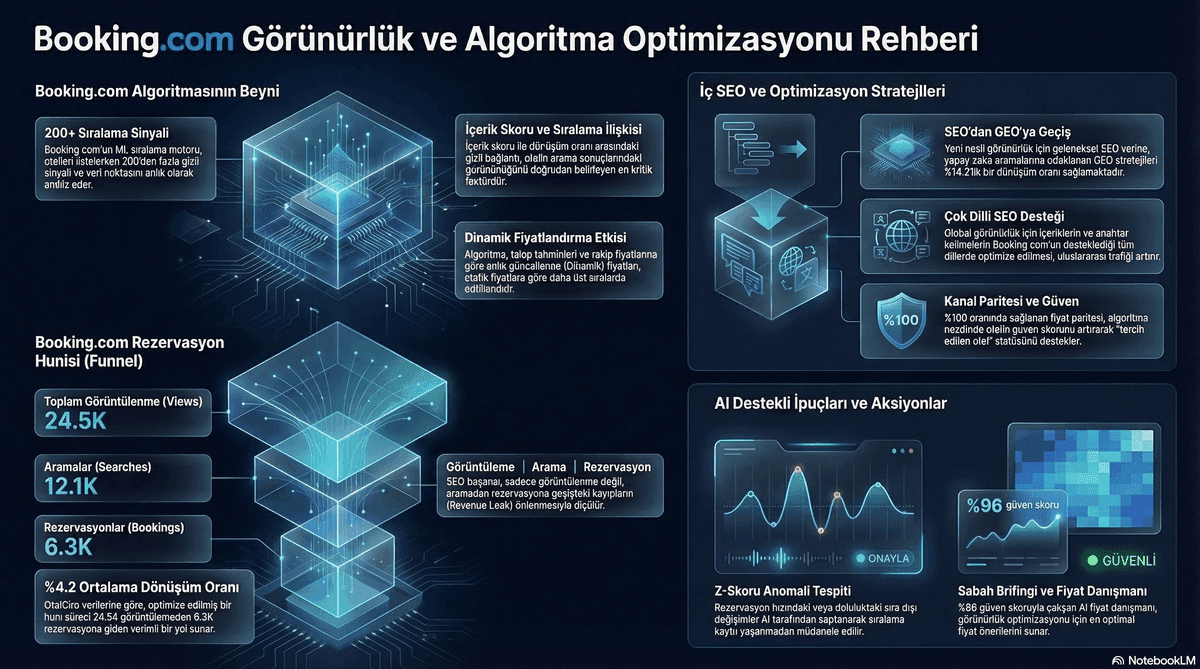
Consider this: Booking.com is the largest travel advertiser on Google, spending over $5 billion annually. They are bidding on YOUR hotel's name. Without a strong SEO presence, your own brand searches send guests to OTAs where you pay 15-20% commission for bookings that should cost you nothing.
Hotels with effective SEO strategies generate 25-40% of total website traffic from organic search, with conversion rates 15-20% higher than paid traffic because organic visitors demonstrate genuine intent.

Embed this image on your site
<a href="https://otelciro.com/en/news/hotel-seo-strategy-organic-growth">
  <img src="https://cdn.sanity.io/images/1la98t0z/production/0a4d425b45671079f5b787c4ec1a2e48b311b740-1376x768.jpg" alt="Hotel SEO strategy infographic" width="800" />
</a>
<p>Source: <a href="https://otelciro.com">OtelCiro</a> — AI Hotel Revenue Management</p>
Related reading: Hotel Email Marketing Automation: Sequences That Convert
The Hotel SEO Pyramid
Foundation: Technical SEO
Technical SEO ensures search engines can crawl, index, and understand your website:
Critical technical factors:
- Page speed: Target under 2.5 seconds on mobile (Core Web Vitals)
- Mobile-first design: Google indexes mobile version first
- HTTPS: Secure connection is a ranking signal
- XML sitemap: Submit to Google Search Console
- Schema markup: Hotel, LodgingBusiness, Review, FAQ schemas
- Canonical tags: Prevent duplicate content issues
- Hreflang tags: For multi-language hotel sites
Quick win: Implement Hotel schema markup. Hotels with proper schema markup appear in rich results, increasing click-through rates by 25-35%.
Middle: Content SEO
Content is the fuel that powers organic visibility:
Hotel keyword categories:
| Category | Example Keywords | Search Volume | Conversion Intent |
|---|---|---|---|
| Brand | "[Hotel Name]" | Low-medium | Very high |
| Location | "hotels in [city/area]" | High | High |
| Category | "boutique hotels [city]" | Medium | High |
| Feature | "hotels with pool [city]" | Medium | Medium-high |
| Informational | "best area to stay in [city]" | High | Medium |
| Comparison | "[Hotel A] vs [Hotel B]" | Low | Very high |
Content strategy by keyword category:
- Brand keywords: Optimize homepage and about page; ensure you outrank OTAs for your own name
- Location keywords: Create dedicated landing pages for your area
- Category keywords: Blog posts and guides that target "best [category] hotels in [city]"
- Feature keywords: Feature-specific pages (pool, spa, restaurant)
- Informational keywords: Blog content, local guides, FAQ pages
Apex: Authority Building
Domain authority determines how well you compete for competitive keywords:
- Quality backlinks: Local tourism boards, press coverage, travel blogs
- Google Business Profile: Complete profile with regular updates
- Social signals: Active social media presence
- Reviews: Volume and quality of reviews across platforms
- Local citations: Consistent NAP (name, address, phone) across directories
Embed this image on your site
<a href="https://otelciro.com/en/news/hotel-seo-strategy-organic-growth">
  <img src="https://cdn.sanity.io/images/1la98t0z/production/26fc615584e443d78cd01c6470f2cb253b54fdba-1200x669.png" alt="Booking.com SEO and hotel name optimization" width="800" />
</a>
<p>Source: <a href="https://otelciro.com">OtelCiro</a> — AI Hotel Revenue Management</p>
Local SEO: The Hotel's Secret Weapon
For hotels, local SEO is often more impactful than traditional SEO:
Google Business Profile Optimization
- Complete every field: description, amenities, photos, hours
- Add 50+ high-quality photos organized by category
- Post weekly updates with offers and events
- Respond to every review within 24 hours
- Enable messaging and booking features
Local Search Ranking Factors
- Relevance: How well your listing matches the search query
- Distance: Proximity to the searcher's location or specified area
- Prominence: Review count and score, web authority, citations
Google Maps Pack Strategy
The Google Maps 3-pack captures 44% of clicks for local hotel searches. Ranking here requires:
- High review score (8.0+) with recent reviews
- Complete Google Business Profile
- Consistent NAP across all platforms
- Quality backlinks from local sources
- Active engagement (posts, Q&A, photo updates)
Related reading: Hotel Metasearch Marketing: Google Hotels, Trivago & Beyond
AI and the Future of Hotel SEO
AI Overviews and GEO
Google AI Overviews now appear for 40%+ of hotel-related queries. Optimizing for these AI-generated snippets requires:
- Structured, factual content that AI can extract
- Clear answers to specific questions
- Schema markup for rich data
- Authoritative, well-cited information
Voice Search Optimization
"Hey Google, find me a hotel near Central Park with a rooftop bar" — voice search queries are conversational and long-tail. Optimize for natural language questions in your content.
Embed this image on your site
<a href="https://otelciro.com/en/news/hotel-seo-strategy-organic-growth">
  <img src="https://cdn.sanity.io/images/1la98t0z/production/b56a6363e9bf6e7bf2a2db1ebde4a55398c4eb31-1200x2150.png" alt="Direct booking strategy with booking engine" width="800" />
</a>
<p>Source: <a href="https://otelciro.com">OtelCiro</a> — AI Hotel Revenue Management</p>
Measuring SEO Success
| KPI | Metric | Target |
|---|---|---|
| Organic traffic | Monthly sessions from organic search | +15% quarterly |
| Brand visibility | Ranking for hotel name queries | Position 1 for all brand terms |
| Local pack presence | Appearance in Google Maps 3-pack | Top 3 for primary keywords |
| Direct bookings from organic | Conversions attributed to organic traffic | 30%+ of direct bookings |
| Content ranking | Positions for target keywords | Top 10 for 50+ keywords |
OtelCiro: SEO-Optimized Distribution
OtelCiro's Sales Ecosystem complements your SEO strategy by providing the booking infrastructure that converts organic traffic into revenue. The platform includes SEO-optimized booking widgets, schema markup support, and Google Free Booking Links integration.
For related strategies, read our Google Hotels visibility guide and Google AI Mode hotel booking analysis.
Conclusion
Hotel SEO is not about tricking search engines — it is about ensuring that when a potential guest searches for what you offer, they find you before they find an OTA. The hotels that invest consistently in technical SEO, quality content, and local optimization build an organic traffic asset that compounds over time, reducing acquisition costs and OTA dependency with every passing month.
Discover how OtelCiro's Sales Ecosystem can help you convert the organic traffic your SEO strategy generates into direct bookings.
![Hotel Metasearch Marketing: Proven ROAS Guide [2026]](https://cdn.sanity.io/images/1la98t0z/production/8d43a859e7eb91380969f1c953b81ff45d6ecf0e-1376x768.jpg?w=1920&q=50&auto=format&fit=max)
![9 Hotel Email Sequences That Actually Convert [2026]](https://cdn.sanity.io/images/1la98t0z/production/1bc33cbc66548a0d5b0b260ee4bedcb8dd8f18cf-1376x768.jpg?w=1920&q=50&auto=format&fit=max)