Key Takeaways
- Turkey's high seismic risk means 92% of its land is earthquake-prone, with 40% of hotels built before 2000 codes (58% of which have insufficient concrete strength).
- A thorough structural risk assessment is crucial, involving pre-inspection, detailed analysis (concrete strength, rebar, soil), and performance evaluation for "Life Safety" or "Immediate Occupancy."
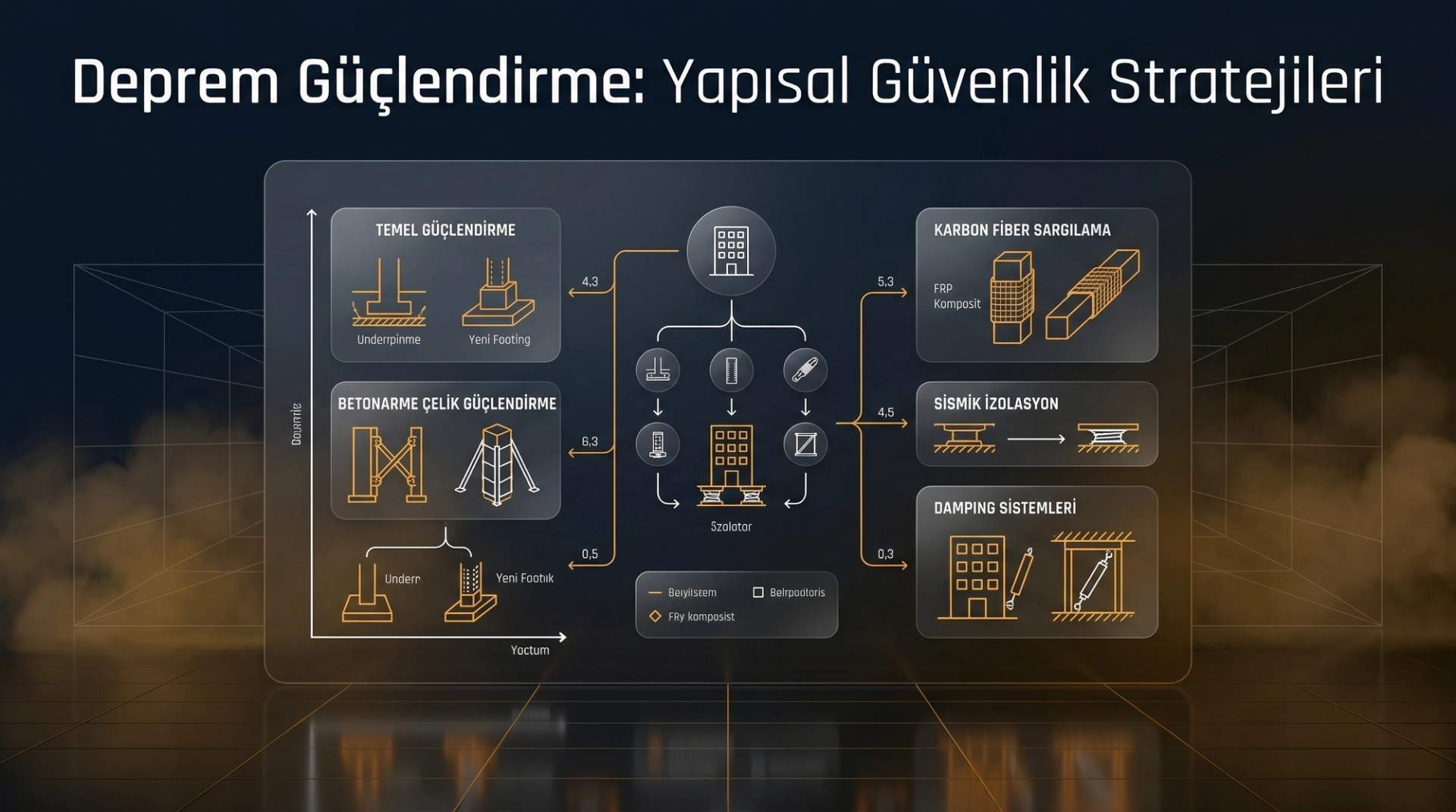
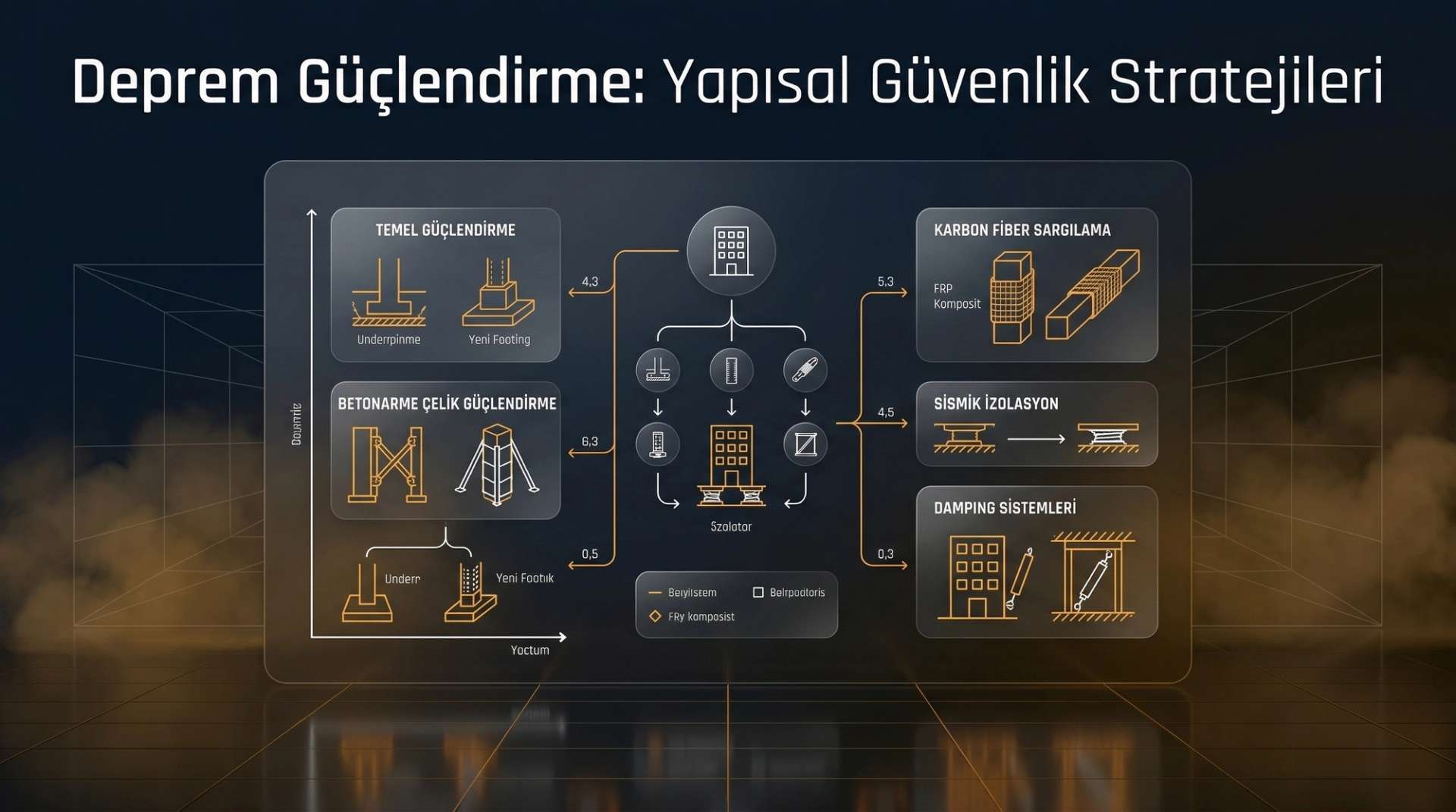
- Specialized reinforcement methods like steel shear walls, FRP wrapping (increasing column strength by 30-60%), and foundation upgrades are vital for hotels, minimizing operational disruption.
- Securing non-structural elements (responsible for 30% of casualties) such as ceilings, furniture, mechanicals, and glass facades is a cost-effective, high-impact safety measure.
- Beyond structural work, comprehensive emergency planning, regular staff training, and digital management systems are essential for guest safety and business continuity.
Hotel Operations in Turkey and the Earthquake Reality
Turkey is situated in one of the world's most active earthquake zones. According to AFAD data, 92% of the country's land is at seismic risk, with 95% of the population residing in earthquake-prone areas. The 2023 Kahramanmaraş earthquakes painfully reiterated this reality: over 50,000 buildings were damaged across 11 provinces, and tourism infrastructure suffered significant harm.
For hotel businesses, earthquake risk is a multi-layered threat, encompassing not just structural damage but also guest safety, legal liability, and business continuity. Approximately 40% of hotels in Turkey were constructed according to building regulations predating 2000 — a significant portion of these buildings do not meet current earthquake codes.
Embed this image on your site
<a href="https://otelciro.com/en/news/hotel-seismic-safety-2026-structural-reinforcement-guide">
  <img src="https://cdn.sanity.io/images/1la98t0z/production/56496da630bc49ae4fdaffb0449cca7a60627550-2752x1536.jpg" alt="Hotel Earthquake Reinforcement Infographic" width="800" />
</a>
<p>Source: <a href="https://otelciro.com">OtelCiro</a> — AI Hotel Revenue Management</p>
Related reading: Hotel Security and Emergency Plan
Structural Risk Assessment: The First Step
The starting point for the earthquake reinforcement process is a scientific evaluation of the building's current condition. This assessment is carried out in three stages:
1. Preliminary Inspection and Document Analysis
- Building permits, architectural, and structural projects are reviewed.
- Construction year, concrete class used, and rebar details are determined.
- Previous renovations and floor additions are identified.
- Soil survey reports are examined.
2. Detailed Structural Analysis
In this stage, performed by a specialized civil engineering team:
- Core test: On-site measurement of concrete strength. In 58% of Turkish hotels built before 2000, concrete strength is found to be below current regulation requirements.
- Rebar detection: Diameter and spacing of column and beam rebars are determined using radar and ultrasonic devices.
- Soil investigation: Soil bearing capacity and liquefaction risk are analyzed through drilling and laboratory tests.
3. Performance Evaluation
In computer modeling using the collected data, the building is simulated under expected earthquake scenarios. The result indicates whether the building's performance level is "Immediate Occupancy," "Life Safety," or "Collapse Prevention." For hotel buildings, the target is at least "Life Safety"; however, "Immediate Occupancy" is recommended for guest safety and business continuity.
Reinforcement Methods: Hotel-Specific Approaches
Reinforcing hotels presents different challenges compared to residential or office buildings. Factors such as maintaining guest operations, aesthetic concerns, and minimizing loss of business revenue directly influence the choice of method.
Steel Shear Walls and Bracing
By adding steel shear walls or bracing elements to the existing reinforced concrete frame system, the lateral strength of the structure is increased. This method can be applied floor by floor, allowing the hotel to remain partially operational. The application time is 40% shorter compared to traditional reinforced concrete shear walls.
Addition of Reinforced Concrete Shear Walls
New reinforced concrete shear walls are installed at critical points. This method provides the highest increase in strength but is the most invasive option in terms of dust, noise, and loss of space. It should generally be planned for the off-season.
FRP (Fiber Reinforced Polymer) Wrapping
Carbon or glass fiber fabric is wrapped around column and beam surfaces to increase the ductility of the elements. Its fast application, minimal space loss, and low noise advantages are rapidly increasing its popularity in hotel reinforcement. It can increase column strength by 30-60%.
Foundation Reinforcement
Foundation reinforcement is unavoidable for buildings with insufficient soil bearing capacity. Micro piles, jet grouting, or foundation enlargement methods are used. This process usually requires the building to be completely evacuated.
Related reading: Automation in Hotel Operations: Digitalizing Business Processes
Safety of Non-Structural Elements
30% of earthquake casualties result from non-structural elements. This risk is particularly high in hotels:
- Suspended ceilings: Can fall during an earthquake, causing injuries. They should be secured with seismic suspension systems.
- Wall-mounted furniture: TVs, mirrors, paintings, and shelves should be secured with wall anchors.
- Mechanical equipment: Outdoor air conditioning units, water tanks, and elevator machine rooms should be mounted with seismic anchors.
- Glass facades: Should be designed with seismic joint details to allow flexibility during an earthquake.
- Kitchen equipment: Heavy ovens, dishwashers, and refrigerators should be secured with floor anchors.
The total cost of these measures is typically 10-15% of structural reinforcement, but the protection they provide is disproportionately high.
Emergency Plan and Digital Management
Even after reinforcement is complete, an effective emergency plan is vital:
- Evacuation plans: At least two alternative exit routes should be identified from each floor. Plans should be posted behind room doors and in corridors.
- Assembly points: Safe, open areas outside the building should be designated. These areas should be away from overhead structures and power lines.
- Staff training: Earthquake drills should be conducted at least twice a year. All personnel, including night shifts, must participate.
- First aid equipment: First aid kits, flashlights, and whistles should be available on every floor.
- Communication protocol: A post-earthquake communication network (backup phone line, two-way radios, WhatsApp group) should be established in advance.
With the OtelCiro operations management platform, emergency scenarios can be planned digitally, drill schedules managed, and staff training records maintained in a centralized system.
Conclusion: Reinforcement is Not an Investment, but a Responsibility
Earthquake reinforcement costs range from 800-3,000 TL per square meter, depending on hotel size and reinforcement method. While this figure may seem high, the cost of damage an unreinforced building would sustain in an earthquake can reach 5-10 times the reinforcement cost — and that's without accounting for the risk of casualties.
In 2026, earthquake awareness in Turkey is higher than ever. Guests have begun to inquire about structural safety when making accommodation choices. Hotels that transform their earthquake reinforcement certificate into a marketing advantage will stand out in terms of both safety and competitiveness.

![Europe's Hotel Construction Boom: 2026 Oversupply Risks [Market Analysis]](https://cdn.sanity.io/images/1la98t0z/production/6dfe59137f56aa14bfcba86d9db3cf05ff89f406-2752x1536.jpg?w=1920&q=50&auto=format&fit=max)