![Hotel Photography: Pro Tips to Boost Bookings [Expert Guide]](https://cdn.sanity.io/images/1la98t0z/production/c6d89f38725274177103922ba536347cec14f258-1200x669.png?w=1920&q=65&auto=format&fit=max)
Key Takeaways
- Visuals Drive Bookings: 94% of guest decisions are based on visuals. Professional photos lead to a 63% higher click-through rate and 37% more conversions compared to amateur shots.
- Optimize Room Photography: Utilize 16-24mm wide-angle lenses for realistic perspectives, prioritize natural light, employ HDR techniques, and carefully stage rooms to create an inviting atmosphere.
- Enhance Common Areas & Exteriors: Capture exterior shots during "Golden Hour" or "Blue Hour" for dramatic lighting. Incorporate natural human elements and professional food photography to boost engagement.
- Leverage Smartphone Capabilities: Use your phone's "Pro mode" for manual control over ISO and white balance. Employ ultra-wide-angle lenses and utilize editing apps like Lightroom Mobile for professional-grade results.
- Strategic OTA Optimization & Refresh: Tailor photos for each OTA (e.g., 40+ photos for Booking.com), use SEO-friendly file names, and implement a seasonal photo refresh schedule. Professional photography yields an average ROI of 540%.
Why Photos Are the Cornerstone of Hotel Sales?
A guest decides whether to stay on a hotel page within an average of 6-8 seconds, and 94% of this decision is based on visual impression. According to Expedia's 2025 research, hotels with professional photos have a 63% higher click-through rate compared to hotels with amateur photos, and a 37% higher reservation conversion rate.
Booking.com's Property Page Score algorithm considers photo quality and variety among its ranking factors. Hotels with high-resolution, well-lit photos taken from various angles rank higher in search results.
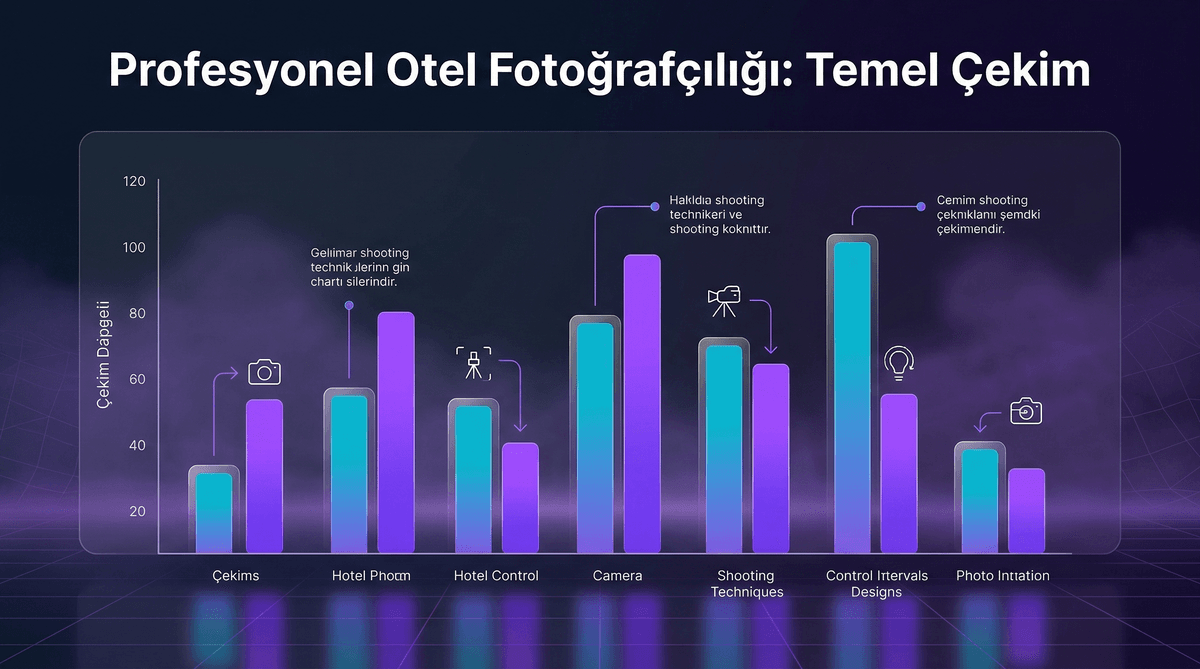
Embed this image on your site
<a href="https://otelciro.com/en/news/hotel-photography-pro-tips-to-boost-bookings-expert-guide">
  <img src="https://cdn.sanity.io/images/1la98t0z/production/c6d89f38725274177103922ba536347cec14f258-1200x669.png" alt="Hotel Photography Professional Tips Infographic" width="800" />
</a>
<p>Source: <a href="https://otelciro.com">OtelCiro</a> — AI Hotel Revenue Management</p>
Related reading: Booking.com Property Page Score Improvement
Room Photography: The Right Angle and Lighting
Room photos are among the most viewed images on a hotel page and directly influence the booking decision.
Wide-angle, unexaggerated perspective: Use a 16-24mm wide-angle lens to capture the entire room in a single frame. However, avoid using an excessively wide-angle (fisheye effect) as it creates an unrealistic perception of space for guests and can lead to negative reviews. Research shows that photos taken with excessively wide angles increase guest complaints by 28%.
Rule of Thirds: Position the headboard, window, or prominent furniture at the intersections of lines that divide the frame into horizontal and vertical thirds. This classic composition rule creates pleasing, balanced shots.
Prioritize natural light: If possible, shoot during the morning hours (08:00 AM-11:00 AM) or afternoon (02:00 PM-04:00 PM) on a sunny day. Prevent excessive glare by shooting perpendicular to windows. Natural light creates an atmosphere that is 40% warmer and more inviting compared to artificial lighting.
HDR technique: By combining 3-5 frames taken at different exposure values, both the view outside the window and the details inside the room become clearly visible. Modern cameras and smartphones offer this feature built-in.
Staging: Neatly make the bed, symmetrically arrange pillows, and decoratively fold towels. Place a book, coffee cup, or flower on the table to create a lived-in but tidy atmosphere. Overly empty rooms can appear cold and sterile, while overly cluttered rooms give a messy impression.
Common Area and Exterior Shots
Photos of the lobby, restaurant, pool, spa, and exterior facade reflect your hotel's overall atmosphere.
Golden Hour shot: Capture exterior and pool photos within 30-60 minutes after sunrise or before sunset. The soft, warm light during this time adds depth and character to the building.
Blue Hour shot: Exterior photos taken 20-40 minutes after sunset, when the sky is in deep blue tones, best showcase your hotel's lighting design. This technique creates dramatic and attractive shots, especially for city hotels.
Human element: Completely empty photos can look cold and artificial. A table being served in a restaurant photo, a few guests sitting on sun loungers in a pool photo, guests chatting in the lobby — these natural human elements provide a 22% higher engagement rate.
Food photography: Shoot prominent dishes from your restaurant menu at a 45-degree angle, in natural light. Place a napkin, cutlery, and a glass of drink around the plate to create context. Hotels with food photos report a 19% increase in restaurant revenue compared to those without.
Professional Quality Shots with a Smartphone
Not every hotel can consistently allocate a budget for a professional photographer. The camera capabilities of current smartphones can yield near-professional results with the right techniques.
Pro mode usage: Keep ISO between 100-400, select the white balance setting according to the environment (sunny, cloudy, fluorescent). In low light, use a tripod for long exposure instead of increasing ISO.
Lens selection: The ultra-wide-angle lens on smartphones is ideal for room shots. For detail shots (food, decoration, amenities), use a standard or telephoto lens.
Editing applications: Make exposure, contrast, and color corrections with Lightroom Mobile, Snapseed, or VSCO. Avoid using excessive filters; a natural look is always perceived as more reliable. Research shows that overly filtered photos decrease the perception of trustworthiness by 31%.
Vertical video: Shoot short hotel tour videos in a vertical format for Instagram Reels and TikTok. Video content receives 2.5 times more engagement than static photos.
Related reading: OTA Profile Anatomy
Photo Optimization for OTA Platforms
Each OTA platform has different photo requirements and algorithms.
Booking.com: Upload a minimum of 24 photos; hotels with 40+ photos receive 15% more views. Distribute photo categories (room, bathroom, view, restaurant, lobby) evenly. Choose the most appealing exterior or signature view shot as the cover photo.
Expedia / Hotels.com: Upload high-resolution photos (minimum 2880x1920 pixels). 360-degree virtual tour content earns extra points.
Google Hotel Photos: Photos uploaded to Google Business Profile appear in both Google Maps and Google Hotels results. Adding at least 5-10 new photos per month signals activity.
File naming: Save photo files with SEO-friendly names: instead of "IMG_4523.jpg", use "antalya-sea-view-deluxe-room.jpg".
Alt text writing: Add descriptive and keyword-rich alt text to each photo. This is critical for both accessibility and visual search SEO.
OtelCiro's digital sales tools automatically optimize and distribute your photos to all OTA channels and track their performance.
Photo Refresh Schedule and ROI Measurement
Hotel photos eventually become outdated and lose their relevance. Create a systematic refresh strategy:
- Every season: Take and upload seasonal photos (winter garden, summer pool, autumn views)
- After renovation: Newly renovated rooms and areas should be photographed immediately; old photos should be removed
- Annually: Review your entire photo portfolio, replace low-performing visuals
- Special events: Weddings, conferences, New Year's — event photos showcase your hotel's versatility
To measure the return on your photo investment, compare metrics before and after professional shoots: page views, click-through rate, average stay duration, and reservation conversion. The average ROI for professional photography investment is reported as 540%; meaning for every 1,000 TL spent, an additional 5,400 TL in revenue is generated.
Your photos are your hotel's digital storefront. Managing this storefront most effectively with the right techniques, consistent quality, and regular updates directly translates into increased revenue.

![Europe's Hotel Construction Boom: 2026 Oversupply Risks [Market Analysis]](https://cdn.sanity.io/images/1la98t0z/production/6dfe59137f56aa14bfcba86d9db3cf05ff89f406-2752x1536.jpg?w=1920&q=50&auto=format&fit=max)