![Hotel Laundry Optimization: Cut Costs & Boost Efficiency [2026 Guide]](https://cdn.sanity.io/images/1la98t0z/production/785ae7f07687f585b47b414f1b34b4c09c651180-2752x1536.jpg?w=1920&q=65&auto=format&fit=max)
Key Takeaways
- Hotel laundry operations are a hidden cost center, accounting for 10-15% of total operating expenses.
- Energy (35-40%), labor (25-30%), and chemicals (10-15%) are the largest cost drivers.
- Implementing smart washing programs, chemical automation, and water recovery systems can reduce overall laundry costs by 25-40%.
- RFID technology significantly cuts textile losses by 60-70% and optimizes inventory management.
- Sustainability initiatives like ozone washing reduce energy by up to 70% and chemical use by half, enhancing brand reputation and guest preference.
The Hotel's Hidden Cost Center: Laundry Operations
In hotel operations, the laundry department is often an overlooked but critical unit, representing 10-15% of total operating costs. A 300-room hotel processes 2-3 tons of laundry daily. This translates to an annual consumption of approximately 800,000-1,200,000 liters of water, 150,000-200,000 kWh of electricity, and tons of detergents.
Approximately 55% of hotels in Turkey operate in-house laundries, while 30% outsource, and 15% utilize a hybrid model. Regardless of the chosen model, optimizing laundry management directly impacts profitability.
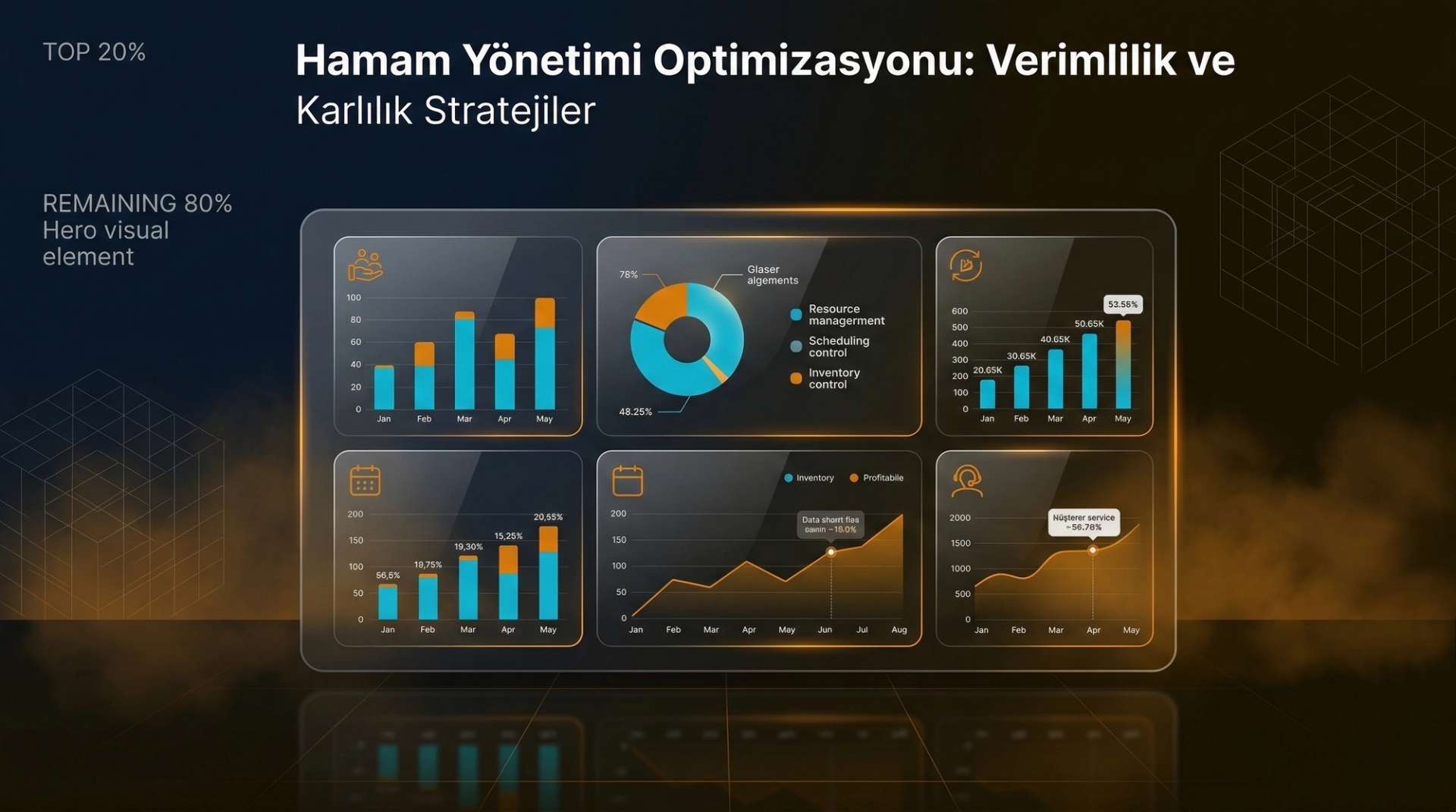
Embed this image on your site
<a href="https://otelciro.com/en/news/hotel-laundry-optimization-cut-costs-boost-efficiency-2026-guide">
  <img src="https://cdn.sanity.io/images/1la98t0z/production/785ae7f07687f585b47b414f1b34b4c09c651180-2752x1536.jpg" alt="Laundry Management Optimization Infographic" width="800" />
</a>
<p>Source: <a href="https://otelciro.com">OtelCiro</a> — AI Hotel Revenue Management</p>
Related reading: Hotel Operations Automation: Digital Transformation in Business Processes
Understanding Laundry Cost Structure
Hotel laundry costs are analyzed across five main categories:
Energy Costs (35-40%)
Energy expenses constitute the largest cost item in laundry operations. Washing machines, dryers, ironing machines, and boiler systems consume significant amounts of electricity and natural gas. Considering the energy price increases in Turkey, the monthly energy cost for a hotel laundry in a 200-room facility is 80,000-120,000 TL in 2026.
Labor Costs (25-30%)
The laundry department is a labor-intensive unit. Each stage—sorting, washing, drying, ironing, folding, and distribution—requires personnel. A 200-room hotel typically employs a laundry team of 8-12 people.
Chemical Costs (10-15%)
Chemical materials such as detergents, softeners, stain removers, bleaches, and disinfectants represent a significant cost. Incorrect dosage not only increases costs but also shortens textile lifespan.
Textile Replacement Costs (10-15%)
Incorrect washing programs, excessive chemical use, and mechanical damage severely shorten the lifespan of sheets, towels, and linen sets. A hotel towel that should withstand 200-300 washes under standard conditions becomes unusable after 100-150 washes with unoptimized processes.
Water Costs (5-10%)
Laundry is one of the highest water-consuming departments in a hotel. Water consumption per kilogram ranges from 15-20 liters in older machines to 6-8 liters in modern equipment.
Optimization Strategies: Ways to Reduce Costs by 25-40%
Smart Washing Programing
Modern laundry management systems create automatic washing programs based on laundry type, soil level, and load capacity. This approach offers:
- 20-25% energy savings by increasing cold wash rates to 40%
- Reduced empty wash cycles by maintaining machine load capacity at 85-90% through load optimization
- Utilization of off-peak tariffs by scheduling heavy washing during low-rate hours
Chemical Dosing Automation
Automatic dosing systems measure water hardness, laundry quantity, and soil level to determine the ideal chemical amount. Compared to manual dosing:
- 15-25% reduction in chemical consumption
- 30-40% increase in textile lifespan
- Consistency in wash quality
Water Recovery Systems
Filtering rinse water and reusing it for pre-wash cycles can reduce water consumption by 30-40%. For a 200-room hotel, this means an annual saving of 3-4 million liters of water.
RFID for Textile Tracking
Placing an RFID chip on each sheet, towel, and linen set allows tracking of wash count, location, and status. This technology enables:
- 60-70% reduction in textile losses
- Proactive replacement planning based on wash cycles
- Optimized distribution between departments
Related reading: Hotel IoT and Smart Room Technologies
In-house vs. Outsourced Laundry Comparison
Is it more advantageous to manage laundry operations in-house or outsource them? The answer depends on the hotel's size, location, and strategy.
In-house advantages: Quality control, flexibility, lower unit cost in the long run, quick response to special guest requests.
Outsourced advantages: Lower initial investment, fixed cost structure, space saving, transfer of equipment maintenance responsibility.
As a general rule, hotels with more than 150 rooms typically benefit more from an in-house laundry. For hotels with fewer than 150 rooms, a cost-benefit analysis and evaluation of regional outsourcing options are recommended.
Considerations When Choosing a Digital Laundry Management System
When choosing a hotel operations management platform, look for the following features in its laundry module:
- Real-time production tracking: Daily production by kilogram, machine utilization rates.
- Cost analysis: Laundry cost per room, department-specific distribution.
- Energy monitoring: Energy consumption per wash, carbon footprint calculation.
- Chemical inventory management: Automatic order triggering, consumption trends.
- Staff performance: Production quantity per person, shift-based efficiency.
- Maintenance schedule: Equipment maintenance calendar, pre-failure alerts.
Sustainability and Green Laundry
In 2026, sustainability is no longer a marketing argument but a necessity. 68% of guests state they prefer hotels with environmentally friendly practices. Laundry is a significant component of a hotel's carbon footprint.
Green laundry strategies include ozone washing technology, solar-powered water heating, use of biological detergents, and towel reuse programs. These practices not only reduce costs but also contribute to the hotel's sustainability certification.
Ozone washing technology is particularly noteworthy: it provides disinfection with cold water, reducing energy consumption by up to 70%, while also halving chemical usage. International sustainability certifications like Green Key and Travelife consider laundry practices a significant part of their evaluation criteria. Hotels with these certifications can achieve 12-18% higher pricing in the environmentally conscious guest segment.
![Europe's Hotel Construction Boom: 2026 Oversupply Risks [Market Analysis]](https://cdn.sanity.io/images/1la98t0z/production/6dfe59137f56aa14bfcba86d9db3cf05ff89f406-2752x1536.jpg?w=1920&q=50&auto=format&fit=max)