![Hotel In-Room Wellness & Mini Spa Design [2026 Strategy Guide]](https://cdn.sanity.io/images/1la98t0z/production/73e389d1db4370be13905af746a726eea5ec049a-1200x669.png?w=1920&q=65&auto=format&fit=max)
Key Takeaways
- Wellness shifts to the room: The hotel wellness market is transforming, with guests demanding holistic in-room experiences beyond traditional spa visits.
- High growth potential: The hotel wellness market is projected to reach $134 billion by 2026, with in-room wellness growing fastest at 28% annually.
- Cost-effective solutions: Hotels can implement high-impact, low-cost in-room wellness solutions (e.g., aromatherapy, digital meditation, sleep programs) without significant spa investments.
- Diverse offerings: Key areas for in-room wellness include aromatherapy, meditation, self-massage, comprehensive sleep programs, and digital fitness options.
- Strong ROI: In-room wellness programs offer significant upsell and retail opportunities, with an average payback period of 6-9 months for a mid-sized hotel.
Wellness Now Starts in the Room, Not Just the Spa
In the post-pandemic era, the wellness sector has undergone a fundamental transformation. Guests are no longer just looking to book a spa appointment; they want a holistic wellness experience throughout their stay. This demand is shifting wellness beyond the confines of the spa department and into the guest room itself.
According to Global Wellness Institute data, the hotel wellness market will reach $134 billion by 2026, with in-room wellness experiences being the fastest-growing segment of this market (28% annual growth). While 73% of guests express a desire for wellness activities during their stay, only 31% utilize traditional spa services. The gap can be closed with in-room solutions.
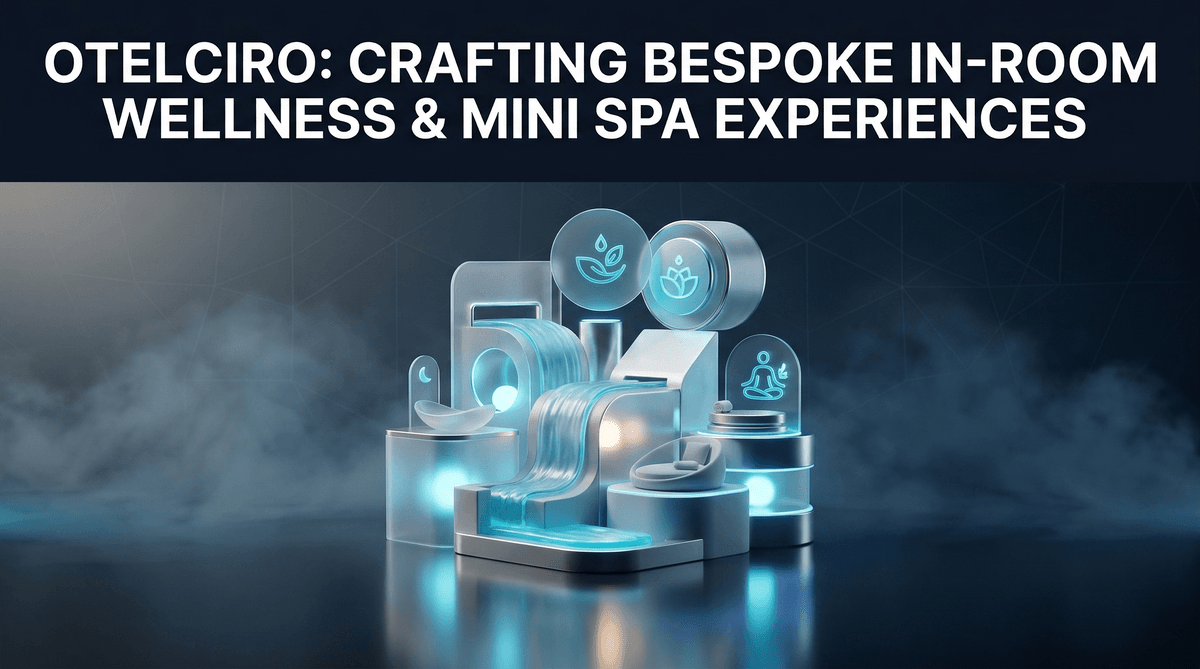
Embed this image on your site
<a href="https://otelciro.com/en/news/hotel-in-room-wellness-mini-spa-design-2026-strategy-guide">
  <img src="https://cdn.sanity.io/images/1la98t0z/production/73e389d1db4370be13905af746a726eea5ec049a-1200x669.png" alt="Mini Spa and In-Room Wellness Infographic" width="800" />
</a>
<p>Source: <a href="https://otelciro.com">OtelCiro</a> — AI Hotel Revenue Management</p>
In this article, we delve into how you can design an in-room wellness experience without requiring major spa investments, exploring low-cost, high-impact solutions and the revenue potential of these services.
Related reading: Hotel Upselling and Cross-Selling Techniques
Designing an In-Room Wellness Menu
In-room wellness services should be offered through a "wellness menu" that guests can access without leaving their room. This menu should include options that cater to different budgets and timeframes.
Aromatherapy Experiences:
- Pillow spray collection: A set of 4-5 different aromas like lavender (sleep), eucalyptus (energy), and bergamot (relaxation). Cost per room: 50-80 TL, additional revenue potential per guest: 150-250 TL. Can also be offered as a retail kit.
- Essential oil diffuser: An aroma experience with ultrasonic diffusers placed in rooms. Initiating lavender diffusion during evening turndown service increases sleep quality satisfaction by 35%.
- Bath ritual: An in-room spa bath experience with a bath salt, bath oil, and candle set. A premium upsell opportunity, especially in suites and deluxe rooms.
Meditation and Mindfulness:
- Digital meditation kit: Guided meditation sessions accessible via TV or tablet. Should offer Turkish and English options. Morning energetic start, evening relaxing meditation, and sleep meditation are the most popular choices.
- Yoga mat and equipment set: On-demand delivery of a yoga mat, resistance band, and yoga block to the room. Low cost, but positions your hotel as wellness-focused in guest perception.
- Soundscapes: Nature sounds, white noise, and relaxing music options played through the in-room speaker system.
In-Room Massage Service:
- Massage chair: Placement of a massage chair in selected rooms or on-demand delivery to the room. Self-service use with automatic massage programs (neck-back, full body, foot).
- Mobile masseur service: Massage performed in the room by a professional therapist. Price range: 800-1,500 TL for a 60-minute session. Sees the highest demand in the evenings.
- Self-massage kit: A kit consisting of a massage ball, foam roller, and usage guide. Can be offered for in-room use and as a retail product.
Sleep Wellness Program
Sleep quality is the most critical component of the hotel experience. While 62% of guests report sleeping worse in a hotel than at home, hotels offering a good sleep program can radically increase satisfaction by addressing this issue.
Sleep Menu:
- Pillow selection menu: Options for memory foam, down, anti-allergic, neck support, and cooling pillows. Recording the guest's preferred pillow profile allows for a personalized experience on repeat visits.
- Bed configuration: Different mattress firmness options (soft/medium/firm) or mattress topper alternatives.
- Weighted blanket: Weighted blankets, known to reduce anxiety and support deep sleep, can be offered on demand.
Sleep Environment Optimization:
- Blackout curtain quality: Complete darkness in the room is a fundamental condition for sleep quality. Blackout curtains must have 100% light-blocking capacity.
- Temperature control: The optimal sleep temperature is between 18-20°C. It is important for guests to be able to precisely adjust the room temperature.
- Noise insulation: Aim to reduce in-room noise levels below 35 decibels with double glazing, door bottom seals, and wall insulation.
Sleep Ritual Package: A "good night" package delivered to the room at 9:00 PM: Chamomile tea, lavender pillow spray, sleep mask, and a meditation QR code. The cost of this package is 40-60 TL, but its impact on the sleep satisfaction score is a 25% increase.
Related reading: OtelCiro Operations Management
Fitness and Movement Experiences
Wellness includes not only relaxation but also active health. In-room and on-site fitness experiences are critical for the satisfaction of guests with an active lifestyle.
In-Room Fitness Solutions:
- In-room workout kit: Yoga mat, resistance band set, jump rope, and exercise cards. Delivered to the room upon request. Low cost, high perceived value.
- Digital fitness platform: Live and recorded exercise classes accessible via TV or tablet. Options for HIIT, yoga, pilates, and stretching. Used by an average of 12% of guests daily.
- Morning running routes: A map showing running routes around the hotel with safety information. GPS-trackable route suggestions are highly valued, especially by international guests.
On-Site Wellness Activities:
- Morning yoga session: Complimentary group yoga session by the pool or in the garden. Participation rate is typically 15-20%, and participants are 3 times more likely to purchase spa services.
- Meditation workshop: Weekly guided meditation and breathing exercises. Can be offered to both guests and employees.
- Nature walk: Guided nature walk around the hotel. A route enriched with local flora and fauna information also raises environmental awareness.
Wellness Retail and Product Sales
The in-room wellness experience also creates retail opportunities. Guests want to take the hotel experience home, and this desire creates additional revenue potential.
High-potential retail products:
- Aromatherapy sets and oils (average order: 180 TL)
- Sleep accessories: Pillow spray, sleep mask, weighted blanket
- Bath products: Bath salts, body oils, luxury soaps
- Wellness books and guides
- Hotel-branded customized wellness boxes
Sales strategy: Adding "scan QR code to purchase" labels to in-room products increases the conversion rate by 18%. Additionally, targeted sales can be made at check-out by asking, "Did you enjoy these products?"
Subscription model: Maintain connection with guests even after their stay with a monthly wellness box subscription. This model not only motivates repeat visits but also provides recurring revenue.
Return on Investment and Performance Measurement
Measuring the ROI of in-room wellness investments is critical for the program's sustainability.
Investment Cost Items:
- Diffuser and aromatherapy products: 200-400 TL initial investment per room.
- Sleep menu products (pillow variety, toppers): 800-1,500 TL per room.
- Digital platform integration: 15,000-30,000 TL one-time cost.
- Yoga and fitness kits: 300-600 TL per set.
- Training and operational costs: 5,000-10,000 TL monthly.
Expected Returns:
- Wellness premium on room rate: Potential for 8-15% price increase.
- Wellness upsell revenue: 100-300 TL additional revenue per guest.
- Product sales: 50-150 TL additional revenue per guest.
- Satisfaction score increase: 0.3-0.7 points improvement.
- Repeat visit rate: 12-18% increase.
Payback Period: For a mid-sized hotel (100 rooms), the average payback period for an in-room wellness program is 6-9 months. This period can shorten to as little as 4 months in resort hotels with high occupancy rates.
An in-room wellness experience is a strategic investment that transforms your hotel from just an "accommodation place" into a "health and well-being hub." Even with low-cost initial steps, you can achieve significant satisfaction increases and raise the likelihood of your guests choosing your hotel again.

![Europe's Hotel Construction Boom: 2026 Oversupply Risks [Market Analysis]](https://cdn.sanity.io/images/1la98t0z/production/6dfe59137f56aa14bfcba86d9db3cf05ff89f406-2752x1536.jpg?w=1920&q=50&auto=format&fit=max)