![Hotel Food Halls: Modern Gastronomy & Revenue Growth [2026 Guide]](https://cdn.sanity.io/images/1la98t0z/production/16aeff592ce679b4afba646fc3af610f5df53581-1200x669.png?w=1920&q=65&auto=format&fit=max)
Key Takeaways
- Growing Trend & Revenue Potential: Hotel food hall investments have increased by 180% in the last three years, with hotels reporting a 35-50% average increase in food and beverage revenue after adopting the concept.
- Enhanced Guest Experience & Local Appeal: Food halls offer diverse culinary options for all tastes and budgets, leading to 0.8 points higher F&B satisfaction scores and attracting local customers beyond hotel guests.
- Operational Efficiency & Sustainability: The multi-station model allows for flexible staffing, can reduce food waste by up to 40%, and facilitates direct partnerships with local producers, fostering a farm-to-table model.
- Crucial Role of Technology: Digital solutions like QR code ordering (reducing wait times by 60%), integrated room service, real-time inventory tracking, and AI-driven personalization are essential for a seamless and profitable operation.
- Strategic Design & Continuous Improvement: An industrial-chic design, flexible seating, thoughtful lighting, and acoustic management are vital for creating an inviting atmosphere. Regular KPI monitoring and menu/station rotation ensure sustained success.
Hotel Restaurants Are Changing: The Food Hall Era Begins
The perception of traditional hotel restaurants as "expensive but mediocre" is a thing of the past. In 2026, guests want to experience the culinary diversity of the city's best streets without leaving the hotel. This is precisely where the food hall concept comes into play.
Globally, hotel food hall investments have shown a 180% increase in the last three years. Major chains like Marriott, Accor, and Hyatt are transforming their traditional restaurant spaces into multi-cuisine stations. This trend presents a significant opportunity for boutique and mid-sized hotels in Turkey as well.
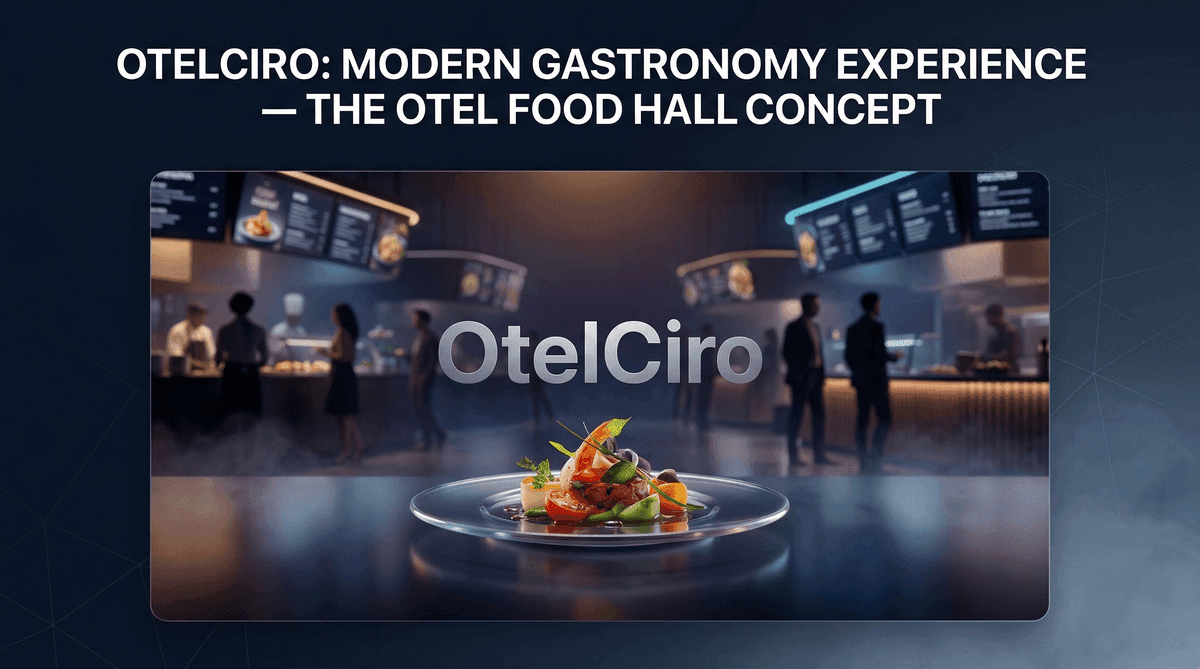
Embed this image on your site
<a href="https://otelciro.com/en/news/hotel-food-halls-modern-gastronomy-revenue-growth-2026-guide">
  <img src="https://cdn.sanity.io/images/1la98t0z/production/16aeff592ce679b4afba646fc3af610f5df53581-1200x669.png" alt="Hotel Food Hall Concept Infographic" width="800" />
</a>
<p>Source: <a href="https://otelciro.com">OtelCiro</a> — AI Hotel Revenue Management</p>
At the heart of the food hall concept lies democratic gastronomy: a social dining experience that caters to different budgets and palates. In this article, we examine step-by-step how you can transform your hotel's food and beverage operation into a food hall model.
Related reading: Hotel Automation and Business Processes
Advantages of the Food Hall Concept for Hotels
The food hall model offers several concrete advantages compared to a traditional hotel restaurant:
Increased Revenue: Hotels adopting the food hall concept typically see an average 35-50% increase in food and beverage revenue. This is because guests purchase from multiple stations instead of a single menu, leading to a higher average spend.
Attracting Outside Customers: While classic hotel restaurants typically serve only resident guests, the food hall concept attracts local customers from the city. This creates an independent revenue stream regardless of occupancy rates.
Operational Efficiency: Multiple smaller stations allow for more flexible staff management compared to a single large kitchen. The number of active stations can be increased during peak hours and reduced during quieter periods.
Guest Satisfaction: Being able to cater to different dietary preferences (vegan, gluten-free, halal) simultaneously significantly increases satisfaction for group bookings. Research shows that hotels with food halls have F&B scores that are 0.8 points higher.
Social Media Impact: The visual diversity of food halls increases guest Instagram and TikTok shares by 200%. This organic marketing value cannot be overlooked.
Station Planning and Culinary Diversity
Successful station planning is critical for a thriving hotel food hall. An ideal food hall consists of 5-8 stations and must strike the following balance:
Local Flavor Station: A station offering the region's signature dishes is a must. If your hotel is in Antalya, Turkish Mediterranean cuisine might be prominent; in Istanbul, Ottoman and street food flavors could take precedence. The local station has the potential to be the highest-grossing unit in the food hall.
International Cuisines: Asian (sushi, ramen, wok), Italian (pizza, pasta), and Mexican cuisines are among the most popular choices. Each station should have its own mini-kitchen and serving counter.
Healthy Eating Corner: A station offering smoothie bowls, açaí, salad bars, and cold-pressed juices is indispensable for health-conscious guests. This segment is growing by 22% annually.
Dessert and Bakery Station: Artisan bread, pastries, and Turkish desserts. It can operate dual-functionally with bakery products during breakfast hours and a dessert menu in the evenings.
Beverage Bar: A craft cocktail, local wine, and specialty coffee station. It should appeal to a wide audience with both alcoholic and non-alcoholic options.
The physical placement of stations is also important. An open kitchen concept turns the food preparation process into a show, enriching the guest experience.
Local Producer Collaborations and Sustainability
One of the strongest aspects of the food hall concept is its ability to create a sustainable supply chain through local producer collaborations.
67% of hotels in Turkey express a desire to increase local supplier usage, but the traditional restaurant model is not conducive to this. A food hall, however, allows each station to manage its own supply network.
Farm-to-table model: Enter into direct agreements with small farmers and producers in the region to both reduce costs and share the "farm-to-table" story with guests. Display producer information and stories at the stations.
Seasonal menu rotation: Updating each station's menu according to the season ensures freshness and increases guests' motivation for repeat visits.
Waste reduction: Smaller portion sizes and production based on demand can reduce food waste by up to 40%. This means both cost savings and environmental responsibility.
Related reading: OtelCiro Ecosystem: All-in-One Solution
Technology Integration and Order Management
A modern food hall operation is not sustainable without technology. A digital infrastructure is essential for order management, inventory tracking, and customer experience.
QR code ordering system: Guests should be able to order from all stations via QR code from their tables or rooms. This system reduces waiting times by 60% and decreases staffing needs.
Room service integration: The entire food hall menu should also be available for room service. Order flow can be automated with OtelCiro operations management.
Inventory and cost tracking: Each station should have its own profit-and-loss statement. Which stations are profitable, which products sell the most, and food cost percentages should be tracked instantly.
Personalization: AI systems that offer personalized recommendations based on a guest's previous orders and preferences can increase cross-selling rates by 25%.
Digital menu boards: Dynamic digital screens display station menus, prices, and allergen information in real-time. Language options also provide convenience for international guests.
Design, Atmosphere, and Guest Flow
The physical design of the food hall is a determining factor in its success. The right atmosphere encourages guests to stay longer and spend more.
Industrial chic: Open ceilings, concrete floors, and a combination of wood and metal create the signature aesthetic of food halls. This design is both cost-effective and Instagram-friendly.
Flexible seating arrangements: Long communal tables encourage social interaction, while two-person corner tables offer options for those seeking privacy. High bar stools are ideal for quick meals.
Lighting design: Bright, focused lighting at stations; warm, dim atmosphere in seating areas. This contrast makes food appealing and creates a relaxing ambiance.
Acoustic management: One of the biggest challenges for food halls is noise control. Ceiling panels, textile dividers, and strategic plant placement should be used to ensure acoustic comfort.
Guest flow: A natural flow path should be planned from the entrance to the stations and from the stations to the seating areas. A minimum of 2 meters of space should be left between station counters to prevent bottlenecks.
Success Metrics and Continuous Improvement
Tracking the right metrics is essential to measure the return on your food hall investment and ensure continuous improvement.
Key KPIs:
- Average Spend: The average spend per guest in a food hall is 30-45% higher than in a traditional restaurant.
- Revenue per Station: The daily and monthly performance of each station should be monitored separately.
- Food Cost Percentage: The food cost target should be maintained in the 28-32% range on a per-station basis.
- Guest Satisfaction Score: Specific survey questions should be added for the food hall experience.
- External Customer Ratio: What percentage of total food hall revenue comes from non-hotel guests?
- Social Media Engagement: Number of shares and tags related to the food hall.
Continuous Improvement Cycle: Low-performing stations should be evaluated in monthly performance meetings, menus updated, and new concepts tested. Successful food halls rotate 2-3 stations annually.
The food hall concept has the potential to transform your hotel's food and beverage department from a cost center into a revenue engine. With proper planning, technology integration, and continuous improvement, you can offer your guests an unforgettable gastronomic experience while significantly increasing your revenue.
![Europe's Hotel Construction Boom: 2026 Oversupply Risks [Market Analysis]](https://cdn.sanity.io/images/1la98t0z/production/6dfe59137f56aa14bfcba86d9db3cf05ff89f406-2752x1536.jpg?w=1920&q=50&auto=format&fit=max)