![Hotel Employee Wellness: Preventing Burnout [2026 Strategy Guide]](https://cdn.sanity.io/images/1la98t0z/production/e8a838715c65959e1574e437920bd19af8a6641e-2752x1536.jpg?w=1920&q=65&auto=format&fit=max)
Key Takeaways
- Burnout Crisis: The hospitality sector faces a severe employee burnout crisis, with 62% of Turkish hotel staff showing symptoms in 2025, leading to significant operational costs.
- Proven Impact: Implementing structured wellness programs can reduce staff turnover by 40% and increase guest satisfaction by 18%.
- Holistic Approach: Effective programs address physical health (ergonomics, nutrition), mental well-being (stress management, EAP), and emotional labor support.
- Work-Life Balance: Flexible shift arrangements, social activities, and family-friendly policies are crucial for improving employee retention and engagement.
- Measurable ROI: Wellness programs offer a quick return on investment, with payback typically within 6-9 months and substantial annual savings from reduced turnover.
The Burnout Epidemic in Hospitality
The hospitality sector is among the industries with the highest rates of employee burnout. 24/7 shift work, physical demands, emotional labor, and seasonal pressures all contribute to the physical and mental exhaustion of staff. According to a comprehensive industry study conducted in 2025, 62% of hotel employees in Turkey show symptoms of burnout.
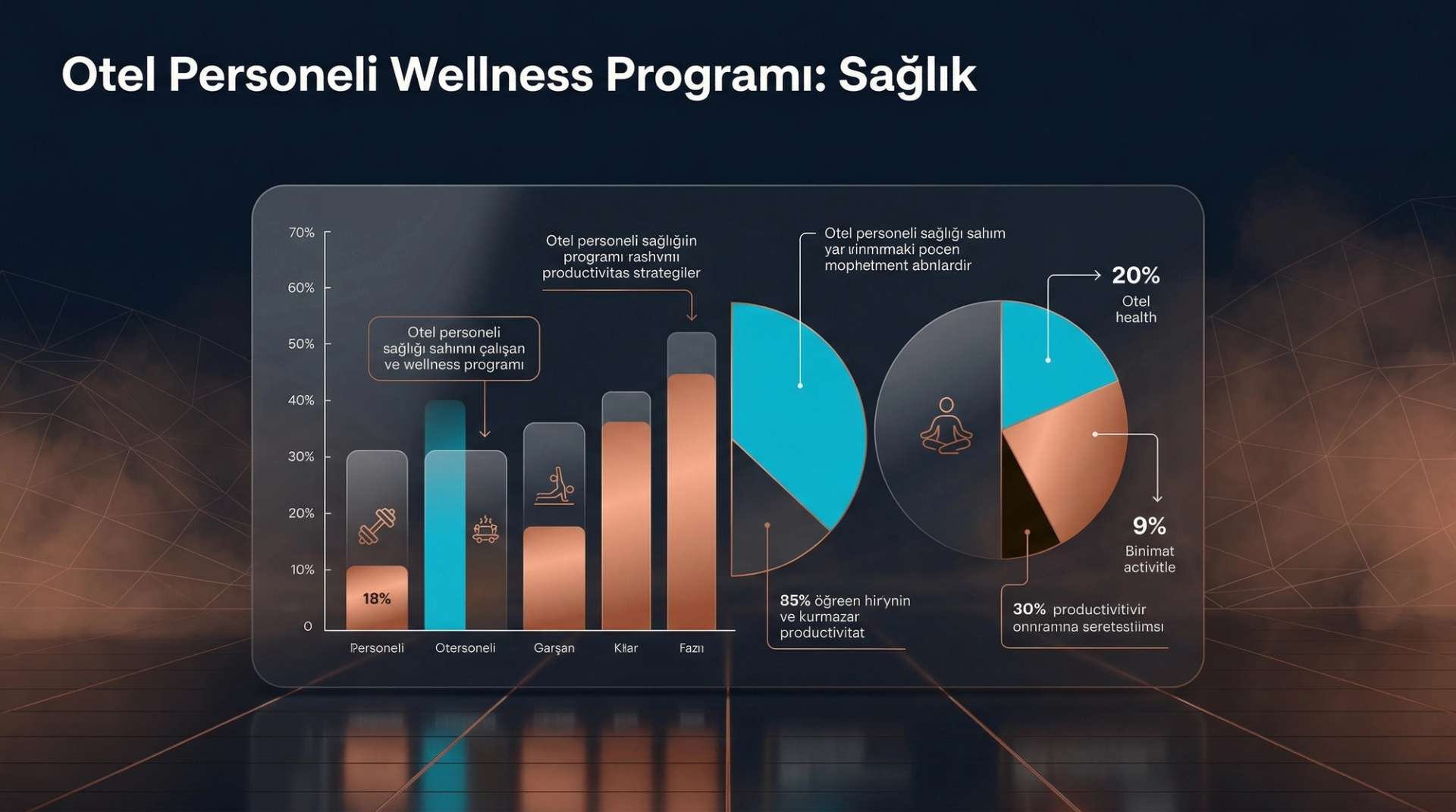
Embed this image on your site
<a href="https://otelciro.com/en/news/hotel-employee-wellness-preventing-burnout-2026-strategy-guide">
  <img src="https://cdn.sanity.io/images/1la98t0z/production/e8a838715c65959e1574e437920bd19af8a6641e-2752x1536.jpg" alt="Employee Wellness Program Infographic" width="800" />
</a>
<p>Source: <a href="https://otelciro.com">OtelCiro</a> — AI Hotel Revenue Management</p>
The operational cost of burnout is enormous. Burned-out employees have a 3.2 times higher absenteeism rate, are 2.6 times more likely to leave their jobs, and face a 1.8 times higher risk of workplace accidents. The total cost attributable to burnout in a hotel can reach 15-25% of the annual personnel expenses.
Corporate wellness programs are a proven and effective tool to address this crisis. Hotels that implement a structured wellness program see staff turnover decrease by 40%, while guest satisfaction increases by 18%.
Related reading: Hotel Staff Retention Strategies: AI-Powered Solutions
Physical Health Programs
Physical health issues among hotel employees stem from the nature of the job. Housekeeping staff typically walk an average of 12,000-15,000 steps per day, while kitchen staff work standing for 8-12 hours. This physical strain creates a predisposition to chronic health problems.
Ergonomics and Physical Protection
Ergonomic risk assessments should be conducted for each department:
Housekeeping:
- Training on back and spine protection techniques
- Ergonomic cleaning equipment (long-handled mops, lightweight vacuums)
- Heavy lifting procedures and use of assistive equipment
- Regular break schedule (10 minutes every 90 minutes)
Kitchen:
- Anti-fatigue mats (anti-fatigue flooring)
- Counter height optimization
- Heat stress management and hydration program
- Cutting tool safety training
Front Desk:
- Ergonomic workstations
- Sit-stand desks
- Eye health (screen time management)
- Hand and wrist exercises (for repetitive motions)
Nutrition Support
The quality of staff meals directly impacts employee health and productivity:
- Balanced menu: Dietitian-approved, nutritionally rich staff menu
- Hydration: Water access in all work areas
- Healthy snacks: Providing fruit and nuts during breaks
- Dietary options: Vegetarian, vegan, gluten-free, and cultural dietary preferences
Hotels that improve the quality of staff meals see a 22% decrease in illness-related absenteeism.
Related reading: Chef and Talent Management: Kitchen Recruitment Strategy
Mental Health and Emotional Support
Hospitality is an industry that requires intense emotional labor. Staff must constantly smile, be patient, and be guest-focused, regardless of their own emotional state. This "emotional mask" can lead to serious long-term mental health issues.
Stress Management Program
A structured stress management program should include the following components:
- Awareness training: Recognizing stress symptoms and early intervention
- Breathing and relaxation techniques: 5-minute collective relaxation at the start of shifts
- Mindfulness practices: Mobile app-supported meditation (10 minutes daily)
- Yoga and movement: 2-3 times a week yoga sessions open to staff
Psychological Support Services
- EAP (Employee Assistance Program): 24/7 phone and online counseling hotline
- Confidentiality guarantee: Ensuring applications are not shared with management
- Crisis intervention: Professional support after traumatic events
- Group therapy: Support groups for employees experiencing similar issues
Research shows that employee satisfaction is 30% higher in hotels offering EAP programs.
Emotional Labor Support
Special emotional labor support for departments with high guest interaction:
- Debriefing sessions: Team sharing after difficult guest experiences
- Role rotation: Periodically rotating staff from high guest interaction positions to back-office duties
- Emotional buffer zone: Providing staff with a guest-isolated area for breaks
- Success celebration: Recognizing staff who successfully manage difficult situations
Work-Life Balance Policies
Achieving work-life balance in hospitality is more challenging than in other sectors due to the shift work system, but it is not impossible.
Flexible Shift Arrangements
- Preference-based shifts: Prioritizing staff preferences for shifts (where possible)
- Block leave: 3-4 days of continuous leave instead of 2 consecutive days off
- End-of-season leave: Extended leave entitlement after busy seasons
- Family-friendly shifts: Shift options tailored to school hours for staff with children
AI-powered shift planning systems optimize staff preferences, balancing both operational requirements and employee needs. OtelCiro's operations management module automatically ensures this balance.
Social Activities and Team Building
- Monthly social events: Bowling, picnics, movie nights
- Sports teams: Inter-departmental football, volleyball tournaments
- Hobby clubs: Photography, cooking, language courses
- Family days: Inviting staff families to the hotel 2-3 times a year
These activities strengthen bonds among employees and provide opportunities for socialization outside of work. Hotels that implement regular social activity programs have 35% higher team cohesion.
Program Management and Measurement
The success of a wellness program is achieved through regular measurement and continuous improvement.
Key KPIs
| Metric | Current | 6-Month Target | 12-Month Target |
|---|---|---|---|
| Illness absenteeism rate | 8% | 6% | 4.5% |
| Staff turnover rate | 65% | 50% | 40% |
| Employee satisfaction score | 3.2/5 | 3.8/5 | 4.2/5 |
| Workplace accident rate | 4% | 2.5% | 1.5% |
| Burnout index | High | Medium | Low |
Program Budget
Annual wellness program budget for a 100-room hotel:
- Ergonomic equipment: 50,000-80,000 TL
- Mental health services: 30,000-50,000 TL
- Social activities: 20,000-35,000 TL
- Nutrition improvement: 15,000-25,000 TL
- Training and consulting: 25,000-40,000 TL
- Total: 140,000-230,000 TL
The return on this investment occurs within 6-9 months due to the decrease in staff turnover. A reduction in turnover from 65% to 40% results in annual savings of approximately 500,000-750,000 TL.
Continuous Improvement Cycle
- Monthly: Analysis of absenteeism and workplace accident data
- Quarterly: Employee pulse survey and program effectiveness evaluation
- Annually: Comprehensive wellness audit and program renewal
Integrate wellness program metrics with operational data using OtelCiro's reporting tools for a holistic performance view.
Related reading: Employee Engagement Survey: Hospitality Sector Applications
![Europe's Hotel Construction Boom: 2026 Oversupply Risks [Market Analysis]](https://cdn.sanity.io/images/1la98t0z/production/6dfe59137f56aa14bfcba86d9db3cf05ff89f406-2752x1536.jpg?w=1920&q=50&auto=format&fit=max)