![Hotel Brand Awareness: Digital Strategies [2026 Guide]](https://cdn.sanity.io/images/1la98t0z/production/190c5221cba336b476ddc6bf84e3faeed9c2e380-1200x669.png?w=1920&q=65&auto=format&fit=max)
Key Takeaways
- Strong brand awareness is fundamental for increasing direct bookings (up 45-60%) and significantly reducing OTA commission costs (down to 12-15% of revenue).
- Tailored social media strategies for platforms like Instagram, TikTok, and YouTube are crucial, with TikTok showing exceptionally high engagement rates for hotel content (8.2% in 2025).
- SEO-driven content marketing, including destination guides and local event calendars, effectively captures early-stage travelers and builds organic brand recognition.
- Digital PR, through original research, influencer collaborations, and press trips, drives referral traffic and enhances brand visibility, exemplified by a Bodrum hotel's event yielding 890 commission-free direct bookings.
- Paid advertising campaigns on Google and Meta platforms accelerate brand awareness and should be continuously tracked using KPIs like brand search volume, direct traffic, and unaided brand recall to ensure long-term success.
Why is Brand Awareness Fundamental to Hotel Revenue?
Increasing direct bookings is at the core of every growth strategy in the hotel industry. However, a prerequisite for securing direct bookings is that potential guests are aware of your hotel's existence. According to Google's 2025 travel research, a user planning a trip visits an average of 6.5 different websites and interacts with 33 different pieces of content. In this chaotic decision-making process, ensuring your hotel remains top-of-mind requires a robust brand awareness strategy.
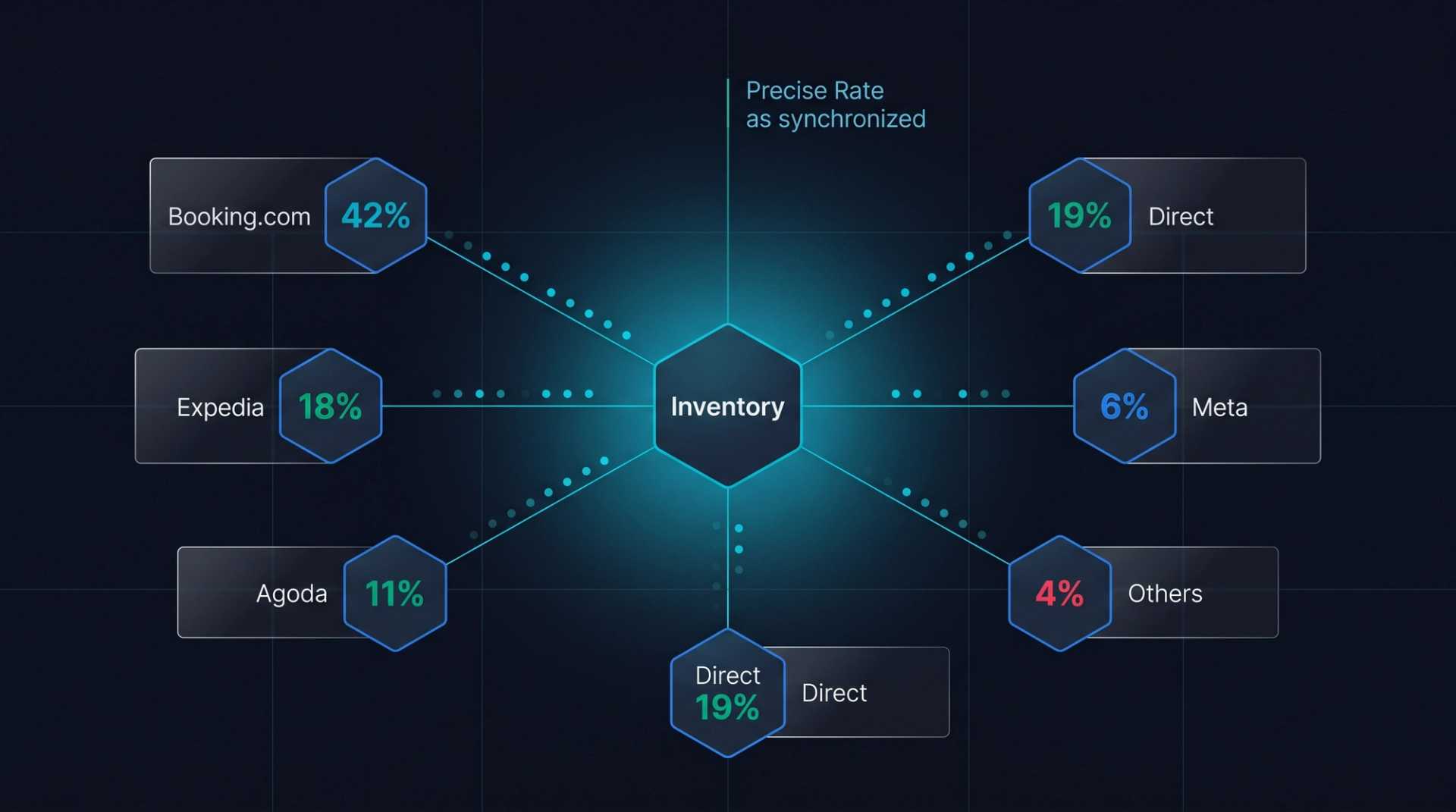
Hotels with high brand awareness experience 45-60% higher direct booking rates compared to their low-awareness competitors. More importantly, for hotels with high brand recognition, OTA commission costs drop to 12-15% of total revenue, whereas for hotels with low recognition, this rate remains in the 22-28% range.
Building a Brand with Social Media
Social media is the fastest and most measurable channel for hotel brand awareness. However, applying the same strategy across every platform would be a mistake. Each platform has its unique language, audience, and content format.
Instagram (visual storytelling):
- Professional room and property photos
- 15-30 second experience videos in Reels format
- Daily life shares (behind the scenes) via Stories
- UGC (User Generated Content) — reposting guest shares
- Goal: Minimum 4-5 posts per week, 2-3 stories daily
TikTok (viral potential):
- Hotel room tours
- Hotel stories in a "Did you know?" format
- Staff content (a day in the life of a receptionist, chef's kitchen secrets)
- Goal: 3-4 videos per week, utilizing trending sounds and formats
YouTube (long-form content):
- Virtual hotel tours (4K)
- Destination guides
- Guest testimonial videos
- Food and gastronomy series
In 2025, the average engagement rate for hotel content on TikTok was measured at 8.2% — this rate is significantly higher than Instagram's 2.1% and Facebook's 0.8%.
Related reading: Strengthening Your Brand with Hotel Storytelling
Content Marketing: SEO and a Value-Driven Approach
Blog posts, guides, and local content are the most sustainable ways to increase organic search traffic. Users searching for terms like "Antalya hotel recommendations" or "where to stay in Cappadocia" on Google are in the early stages of their purchase journey. You can build brand awareness by capturing these users with organic content.
Content types and SEO impacts:
| Content Type | Average Organic Traffic | Conversion Potential |
|---|---|---|
| Destination guides | High | Medium |
| Local event calendars | Very High (seasonal) | Low-Medium |
| Hotel comparison content | Medium | High |
| Guest experience stories | Low-Medium | High |
| Gastronomy and food guides | High | Medium |
With the OtelCiro sales ecosystem, you can track which content segment yields the highest conversion and optimize your strategy accordingly.
Digital PR and Media Relations
The digital transformation of traditional PR offers immense opportunities for hotels. Digital PR provides not only media visibility but also SEO value and referral traffic.
Effective digital PR strategies:
- Publish industry research: Prepare reports containing original data and statistics. For example, a report titled "2026 Turkey Travel Trends" would receive widespread coverage in industry media.
- Influencer collaborations: Working with micro-influencers (10K-50K followers) provides 3.5 times higher engagement rates compared to mega-influencers.
- Organize press trips: Invite travel writers and digital content creators to your hotel.
- Crisis communication plan: Create prepared response protocols for negative reviews or PR crises.
Results from an influencer event organized by a Bodrum hotel in the summer of 2025: 12 influencers, total 2.8 million follower reach, 145,000 website visits, and 890 direct bookings — all commission-free.
Awareness Campaigns with Paid Advertising
Organic growth takes time. To accelerate brand awareness, you should strategically use paid advertising campaigns.
Google Ads brand campaigns:
- Protection campaigns for brand name searches (preventing competitors from targeting your brand name)
- Visual brand awareness campaigns via the Display network
- Video-based awareness with YouTube pre-roll ads
Meta Ads (Facebook + Instagram):
- Reaching audiences similar to your existing guests with lookalike audiences
- Room and property visuals in carousel format
- Building emotional connections with video ads
- Retargeting website visitors
Direct ROI measurement for brand awareness campaigns is challenging, but their indirect impacts are significant. Results from a 3-month brand campaign for an Istanbul boutique hotel: 78% increase in brand name searches, 45% growth in direct website traffic, and a 15% reduction in OTA dependence.
Measurement and KPI Tracking
To measure the success of your brand awareness strategy, you need to track the right KPIs:
- Brand search volume: The search volume for your brand name on Google (Google Trends and Search Console)
- Direct traffic: The number of visitors coming directly to your website
- Social mention: How many times your brand is mentioned on social media
- Share of voice: Your brand's visibility share in the industry and destination
- Unaided brand recall: Brand recall rate measured by surveys without prompts
- Net Promoter Score (NPS): Guests' likelihood of recommending your hotel
![Europe's Hotel Construction Boom: 2026 Oversupply Risks [Market Analysis]](https://cdn.sanity.io/images/1la98t0z/production/6dfe59137f56aa14bfcba86d9db3cf05ff89f406-2752x1536.jpg?w=1920&q=50&auto=format&fit=max)