![Hotel Bathroom Protocols: Hygiene & Guest Satisfaction [2026 Guide]](https://cdn.sanity.io/images/1la98t0z/production/06b81aca8a95f0e5727a3a35d6574829f8b8f392-1200x669.png?w=1920&q=65&auto=format&fit=max)
Key Takeaways
- Hotel bathrooms are crucial for guest satisfaction; 42% of negative reviews on TripAdvisor and a 1.8x impact on Booking.com scores relate to cleanliness.
- Implementing a consistent daily cleaning protocol (12-18 minutes per bathroom) and periodic deep maintenance (weekly/monthly) can reduce bathroom-related complaints by 55%.
- Digital auditing tools, including photo checklists and QR code area inspections, provide measurable quality control and performance tracking for housekeeping staff.
- Effective material management, including proper chemical selection, color-coded cloths, and sustainable amenity solutions (e.g., refillable dispensers cutting plastic waste by 80% and costs by 35%), is essential.
- Hotels that digitize their bathroom maintenance protocols will gain a significant competitive advantage in online reputation and rebooking rates in 2026, meeting heightened guest hygiene expectations.
Hotel Bathrooms: The Silent Determinant of Guest Experience
In hotel room reviews, bathrooms are one of the most powerful factors influencing the overall score. According to TripAdvisor's 2025 analysis, bathroom cleanliness or maintenance issues are directly mentioned in 42% of negative reviews. In Booking.com's scoring system, the "Cleanliness" category impacts the overall score 1.8 times more than other categories.
When a guest enters a room, the first area they often check is the bathroom. A faucet with limescale, yellowing grout, a slippery floor, or inadequate ventilation — any of these details, no matter how perfect the rest of the room, diminishes the perceived quality. Research shows that 68% of guests dissatisfied with the bathroom do not rebook.
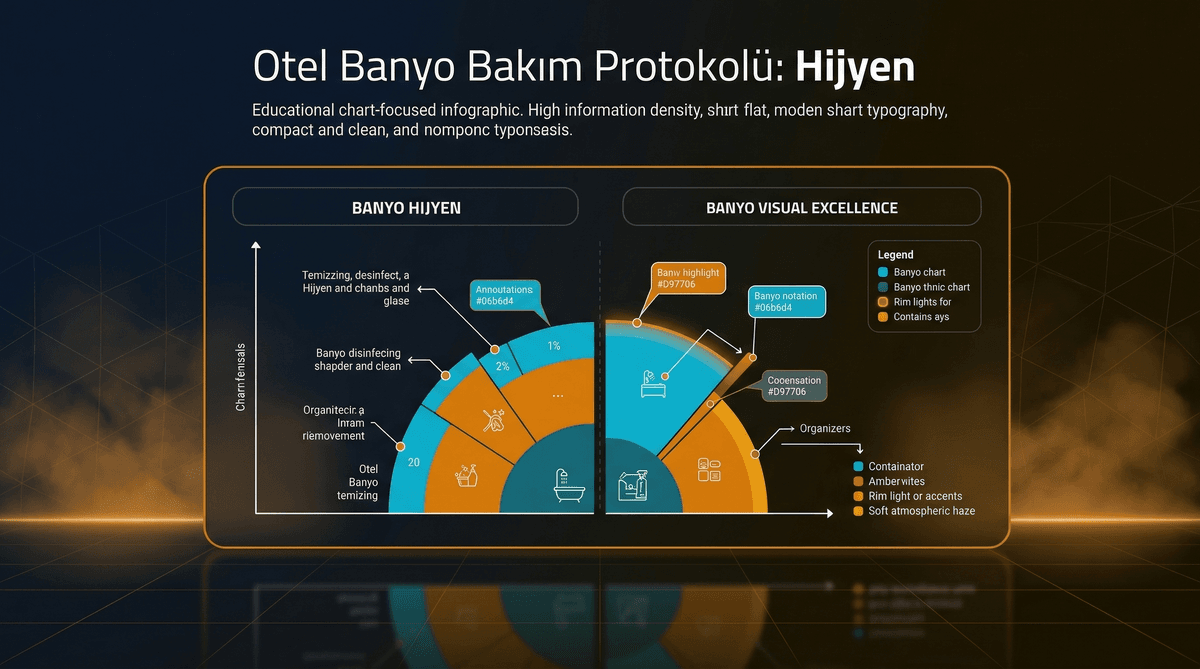
Embed this image on your site
<a href="https://otelciro.com/en/news/hotel-bathroom-protocols-hygiene-guest-satisfaction-2026-guide">
  <img src="https://cdn.sanity.io/images/1la98t0z/production/06b81aca8a95f0e5727a3a35d6574829f8b8f392-1200x669.png" alt="Otel Banyo Bakım Protokolü İnfografiği" width="800" />
</a>
<p>Source: <a href="https://otelciro.com">OtelCiro</a> — AI Hotel Revenue Management</p>
Related reading: Housekeeping Automation: 7 Steps to Digitizing Hotel Operations
Daily Cleaning Protocol: A Step-by-Step Standard
Regardless of the hotel's star rating, applying a consistent protocol for bathroom cleaning is mandatory. The daily cleaning process should be performed in the following order:
1. Preparation and Personal Protective Equipment
Before starting bathroom cleaning, cleaning staff must wear gloves, an apron, and a mask if necessary. Materials designated for the bathroom should be kept in a separate compartment on the cleaning cart — sharing them with room cleaning lowers hygiene standards.
2. Cleaning Order (Top-Down)
- Mirrors and glass surfaces: Achieve streak-free shine with glass cleaner. Remove accumulated limescale from edges and corners with a detail brush.
- Sink and countertop: Scrub with a disinfectant cleaner, polish chrome faucet surfaces.
- Shower area / Bathtub: Check the showerhead, faucet, hose, and drain. Grout lines should be included in the weekly deep cleaning schedule.
- Toilet: Clean interior and exterior surfaces with separate cloths. Include lid hinges and the rear base area.
- Floor: As the final step, wash or mop the floor and leave it dry.
This sequence prevents double-work by ensuring dirt and water falling from upper areas are directed to lower sections. For experienced housekeeping teams, a standard bathroom cleaning takes 12-18 minutes.
3. Amenity and Towel Placement
Amenity products such as shampoo, shower gel, soap, and lotion should be arranged in a standard layout. Labels should face the guest, caps should be closed, and each product placed in the same position. Towels should be folded according to hotel standards; the bathroom should contain at least 2 bath towels, 2 hand towels, and 1 bath mat.
Related reading: Automation in Hotel Operations: Digitizing Business Processes
Weekly and Monthly Deep Maintenance Program
Daily cleaning ensures surface hygiene, but periodic deep maintenance is essential to preserve long-term quality.
Weekly tasks:
- Grout scrubbing and whitening
- Dismantling and cleaning shower drains
- Ventilation fan and grille cleaning
- Checking behind mirrors and hidden corners
Monthly tasks:
- Treating all chrome surfaces with descaler
- Inspecting silicone seals and replacing them if necessary
- Clearing siphons and drain pipes
- Inspect wall and ceiling paint, identifying moisture stains
It has been reported that guest complaints originating from bathrooms decreased by 55% in hotels implementing a periodic maintenance program.
Digital Auditing and Quality Control System
Traditional paper checklists produce inconsistent results. Digital auditing systems make bathroom maintenance quality measurable and trackable:
- Photo checklist: After each cleaning, staff take photos from standard angles. Supervisors compare photos and approve or request corrections.
- QR code area audit: When the QR code on the bathroom door is scanned, the cleaning history, last audit date, and any pending maintenance requests are displayed.
- Guest feedback integration: Negative comments related to the bathroom are automatically forwarded as notifications to the housekeeping manager, initiating root cause analysis.
- Performance scoring: Each housekeeping staff member's cleaning quality score is calculated; additional training is provided to personnel with low scores.
With the OtelCiro operations management module, digital checklists, maintenance schedules, and staff performance reports can be managed from a single screen.
Material Management and Inventory Control
Bathroom cleaning supplies are one of the overlooked items in a hotel's budget. Effective inventory management both controls costs and maintains cleaning quality.
Critical material categories:
- Chemical cleaners: Disinfectants, descalers, glass cleaners, grout whiteners. Selecting products appropriate for the surface is crucial; acidic cleaners damage marble surfaces.
- Consumables: Cloths, sponges, gloves, brushes. A color-coded cloth system prevents cross-contamination (blue: glass, green: sink, red: toilet).
- Amenity products: Selection of brands and quality suitable for the guest profile and hotel segment.
72% of hotels are switching to refillable dispenser systems to reduce amenity costs. This transition reduces plastic waste by 80% while lowering unit costs by 35%.
Conclusion: Excellence Hidden in Details
The hotel bathroom is an area where small details make a big difference. A consistent cleaning protocol, a periodic deep maintenance program, and a digital auditing system — when these three components work together, negative reviews originating from bathrooms are minimized, and guest satisfaction scores measurably increase.
In 2026, guest expectations are higher than ever. With the lasting impact of the pandemic, hygiene perception has become more sensitive. Hotels that digitize their bathroom maintenance protocols and make their standards measurable gain tangible advantages in both online reputation and rebooking rates.

![Europe's Hotel Construction Boom: 2026 Oversupply Risks [Market Analysis]](https://cdn.sanity.io/images/1la98t0z/production/6dfe59137f56aa14bfcba86d9db3cf05ff89f406-2752x1536.jpg?w=1920&q=50&auto=format&fit=max)