![Castle Hotels: Heritage & Profitability [2026 Strategy Guide]](https://cdn.sanity.io/images/1la98t0z/production/6bfb79a900fe4f74d160ed0111a9f29e4bde934d-1200x669.png?w=1920&q=65&auto=format&fit=max)
Key Takeaways
- Historic castle hotels represent a high-growth niche in cultural tourism, with conversions increasing by 42% between 2020-2025 and the market projected to reach $950 billion by 2026.
- Restoration is complex and costly (2,500-5,000€/m²), yet government incentives can cover 30-50% of expenses, balancing historical authenticity with modern luxury.
- Revenue diversification beyond room sales is crucial, leveraging high-margin experience packages and significant event/wedding income (contributing 20-35% of total revenue).
- Targeting the premium segment requires a robust digital marketing strategy (content, social media, influencer partnerships) and a channel strategy prioritizing direct bookings (45-55%).
- Operational challenges in historic buildings demand specialized technology (mesh Wi-Fi, smart energy management) and a higher annual maintenance budget (5-8% of revenue) for long-term preservation.
Castle Hotel Concept: Accommodation Within History
The conversion of historic castle structures into hotels is one of the fastest-growing niche accommodation segments globally. According to UNESCO data, projects converting historic buildings into hotels increased by 42% between 2020 and 2025. The global cultural tourism market is expected to reach $950 billion by 2026, with 18% of this market dedicated to historic accommodation experiences.
Turkey, with over 82,000 registered historic structures, is one of the strongest candidates for this trend. However, only 3% of these structures are currently utilized for tourism purposes—a vast potential that still awaits evaluation.
Key Data of the Castle Hotel Market
| Metric | Global Average | Turkey |
|---|---|---|
| Average ADR | 280€ | 195€ |
| Occupancy rate | %62 | %55 |
| Guest satisfaction | 9.1/10 | 8.8/10 |
| Repeat visit rate | %22 | %18 |
| Average length of stay | 2.4 nights | 2.1 nights |
These data reveal that castle hotels in Turkey possess growth potential in both pricing and occupancy.
Related reading: Hotel Segment-Based Pricing Strategies
Restoration Process: Legal and Technical Framework
Converting a historic castle into a hotel is a process vastly different from standard hotel construction. Coordinated work with the Ministry of Culture and Tourism, Conservation Boards, and local administrations is mandatory.
Restoration Phases
- Feasibility and inventory (3-6 months): Analysis of the structure's physical condition, carrying capacity, and restoration cost.
- Conservation board approval (6-12 months): Registration of the restoration project's compliance with conservation principles.
- Project design (4-8 months): Balancing historical texture with modern comfort requirements.
- Restoration application (12-24 months): Preservation of original materials and integration of modern infrastructure.
- Operating license (2-4 months): Tourism operation certificate and fire safety certification.
Cost Structure
Castle hotel restoration costs between 2,500-5,000€ per m²—which is 2-3 times that of new construction. However, government incentives and cultural heritage funds can cover 30-50% of this cost.
| Cost Item | Ratio | Description |
|---|---|---|
| Structural restoration | %35-40 | Stone, wood, and wall restoration |
| Mechanical installation | %20-25 | HVAC, water, electricity, and fire |
| Interior design and furniture | %15-20 | Period-appropriate design |
| Landscaping and environment | %8-12 | Garden, courtyard, and outdoor space |
| Project and consultancy | %5-8 | Architecture, archeology, and legal |
Room Design: Balancing History and Comfort
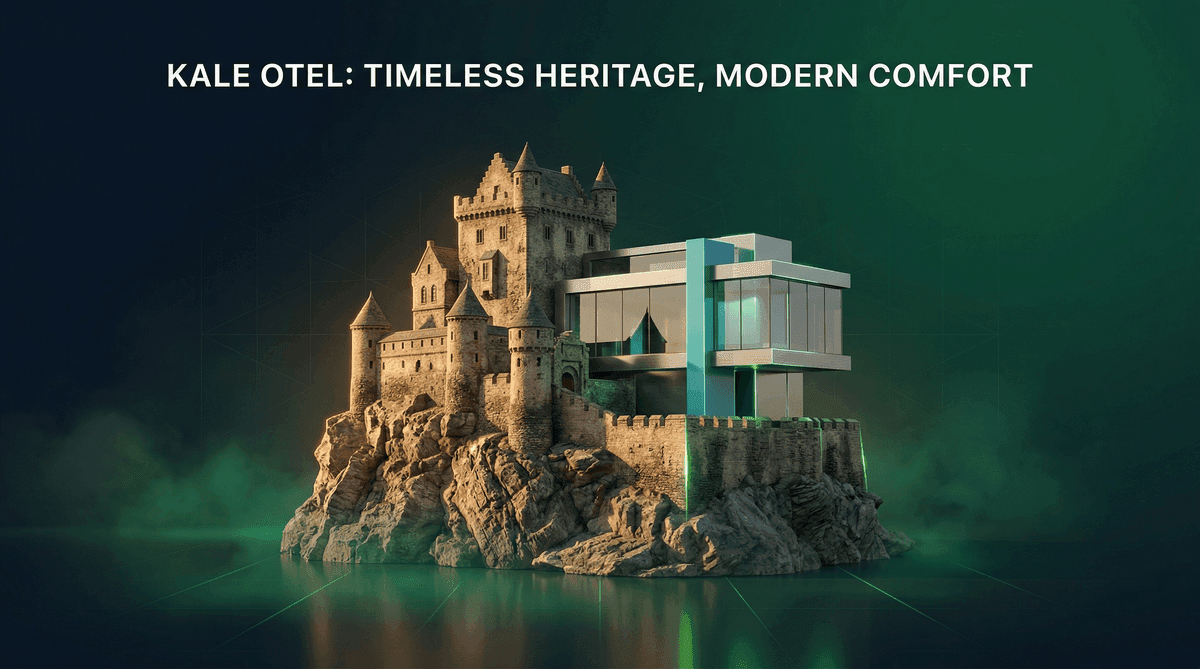
The greatest design challenge for a castle hotel is finding the balance between preserving the historical texture and providing modern guest comfort. Common characteristics of successful castle hotels include:
Design Principles
- Exposure of original stone walls: 89% of guests rank the "raw stone wall" experience first in satisfaction surveys.
- Period furniture with modern touches: Antique-looking but ergonomic furniture.
- Concealed heating and cooling: Underfloor heating and hidden air conditioning units preserve the historic appearance.
- Lighting scenarios: Creating atmosphere with LED lighting that mimics candlelight.
- Modern bathroom integration: Creating luxurious bathroom areas within historic rooms.
Room Categories
| Category | Average m2 | Price Range | Target Segment |
|---|---|---|---|
| Knight's Room | 25-30 | 150-220€ | Cultural tourist |
| Tower Suite | 40-55 | 280-420€ | Premium traveler |
| Pasha/Lord Suite | 60-80 | 450-700€ | Ultra-premium |
| Royal Suite | 80-120 | 650-1,200€ | VIP / honeymoon |
Embed this image on your site
<a href="https://otelciro.com/en/news/castle-hotels-heritage-profitability-2026-strategy-guide">
  <img src="https://cdn.sanity.io/images/1la98t0z/production/6bfb79a900fe4f74d160ed0111a9f29e4bde934d-1200x669.png" alt="Castle Hotel Design Concept" width="800" />
</a>
<p>Source: <a href="https://otelciro.com">OtelCiro</a> — AI Hotel Revenue Management</p>
Experience Design and Revenue Diversification
The revenue potential of a castle hotel extends far beyond room sales. The unique atmosphere provided by the historic structure creates high-margin additional revenue channels.
Experience Packages
- Historical reenactment nights: Period-costumed dinners (95-150€ per person).
- Archeology workshops: Guided excavation simulations and historical artifact presentations.
- Medieval feasts: Thematic dinners that bring the culinary culture of the era to life.
- Night museum tours: Special historical tours exclusively for staying guests.
- Photography tours: Professionally guided photography of historic sites.
Event and Wedding Revenue
Castle hotels hold an exceptionally strong position in the wedding and special events market:
- Average castle wedding budget: 25,000-75,000€ (2-3 times that of a standard venue).
- Annual wedding capacity: 30-50 events.
- Ratio of wedding revenue to total revenue: %20-35.
- Corporate event potential: 40-60 events per year.
These additional revenue channels significantly mitigate seasonality issues.
Related reading: Hotel Upselling and Cross-selling Techniques
Marketing Strategy: Attracting the Premium Segment
A castle hotel inherently caters to the premium segment. The marketing strategy should therefore be designed to align with the behavioral patterns of this segment.
Digital Marketing
- Content marketing: Attracting SEO traffic with historical narratives, restoration stories, and archeological discoveries.
- Social media: Visual storytelling on Instagram and Pinterest—castle hotels achieve an average interaction rate of 3.8% (sector average 1.2%).
- Influencer partnerships: Collaborating with travel and history content creators.
- Video content: Drone footage and 360-degree virtual tours.
Channel Strategy
The ideal sales channel distribution for castle hotels:
- Direct website: %45-55 (advantage of storytelling and unique content).
- Booking.com / Expedia: %15-20 (for discoverability).
- Mr & Mrs Smith, TabletHotels: %10-15 (boutique hotel platforms).
- Tour operators: %10-15 (cultural tour groups).
- Wedding platforms: %5-10.
Operational Management and Technology
Operating a modern hotel within a historic structure requires specialized technology solutions. Thick stone walls weaken Wi-Fi signals, narrow corridors complicate housekeeping logistics, and energy efficiency demands specific solutions.
Technology Infrastructure
- Mesh Wi-Fi system: A minimum of 3 times the density of access points for seamless internet in thick-walled structures.
- Smart energy management: Energy costs in historic buildings are 30-40% higher than standard hotels—IoT sensor-based automation is critical.
- Digital guest experience: Tablet-based in-room control systems that do not disrupt the historic atmosphere.
- Cloud-based PMS: Cloud solutions are essential due to physical server room limitations in historic buildings.
Maintenance and Preservation
The annual maintenance budget should be planned at 5-8% of revenue (compared to 3-5% for standard hotels). This specifically includes:
- Stone and wood conservation works.
- Moisture and drainage control.
- Seismic reinforcement monitoring.
- Conservation board reporting obligations.
Conclusion: Profitable Management with Historical Heritage
Despite a high initial investment, the castle hotel concept is a highly profitable business model in the long run. Its premium pricing power, high brand value, and wedding/event revenue potential can reduce the investment payback period to 7-10 years.
Turkey's unique historical heritage and the growing trend in cultural tourism make castle hotels one of the most attractive investment opportunities for 2026. With the right restoration, experience design, and digital marketing strategy, it is possible to transform a historic structure into a world-class accommodation brand.
OtelCiro's sales ecosystem offers tools designed to convey your castle hotel's unique story to the right guests and optimize its revenue performance.
![Europe's Hotel Construction Boom: 2026 Oversupply Risks [Market Analysis]](https://cdn.sanity.io/images/1la98t0z/production/6dfe59137f56aa14bfcba86d9db3cf05ff89f406-2752x1536.jpg?w=1920&q=50&auto=format&fit=max)