![Boost Hotel Revenue: Dynamic Packaging Strategies [2026 Guide]](https://cdn.sanity.io/images/1la98t0z/production/c73073c150de13b860574daaa9e837e4b79fed89-1200x669.png?w=1920&q=65&auto=format&fit=max)
Key Takeaways
- Dynamic packaging represents 38% of the global travel market in 2026, growing 12% annually, making it a critical revenue channel for hotels.
- This strategy drives benefits like higher ADR (for OTAs like Expedia), longer average stays (5.2 vs. 2.8 nights), and significantly lower cancellation rates (-57%).
- Successful implementation requires strategic net rate management (20-30% below BAR), MinLOS optimization, early booking incentives, and packaging extra services.
- A robust technological foundation, including channel manager integration, XML/API connections, and accurate rate mapping, is essential for efficiency.
- For the Turkish market, focus on uploading future season rates by October and tailoring rate plans for top source markets like Germany, the UK, and the Netherlands to boost conversions.
Dynamic Packaging: What It Is and Why It Matters?
Dynamic packaging involves offering travel components (flight, hotel, transfer, activity) as a single package with real-time pricing. Unlike the traditional tour operator model, dynamic packaging combines each component with instantaneous inventory and pricing data. In 2026, dynamic package sales constitute 38% of the global travel market, a figure growing by 12% annually.
Turkey holds a critical position as both a source and destination market for dynamic packaging. 55% of charter traffic arriving in Turkey from Europe is now sold in dynamic package format. This shift enables hotels to generate higher revenue by offering flight combinations, rather than just selling rooms.
Related reading: OTA Profile Anatomy: Digital Storefront Optimization
Key Players in the Dynamic Packaging Ecosystem
The dynamic packaging ecosystem comprises multiple technology layers and business partners. Understanding the key players in this ecosystem is essential for developing the right strategy.
OTAs (Expedia, Booking): Expedia Group is the largest player in the dynamic packaging market. Expedia's package sales offer an average of 23% higher ADR and a 31% lower cancellation rate compared to standalone hotel sales. Booking.com has also made an aggressive entry into this space with its "Connected Trip" vision.
Bedbanks (Hotelbeds, WebBeds): Bedbanks provide wholesale room inventory for tour operators and online travel agencies. In dynamic packaging, the bedbank channel is critically important, especially for European-sourced traffic. Turkey ranks among the top 5 destination countries for Hotelbeds' dynamic package sales.
Metasearch Engines (Google, Trivago, Kayak): Metasearch platforms serve as a storefront, comparing package offers from various sources. Google's "Flights + Hotels" feature recorded 180% growth in the Turkish market in 2026.
Tour Operators (TUI, Jet2, Sunweb): Traditional tour operators are also transitioning to dynamic packaging technology. TUI's dynamic package sales constituted 62% of its total sales in 2026.
Dynamic Packaging Strategies for Hotels
For hotels to maximize revenue from the dynamic packaging channel, several core strategies are essential:
Net Rate Management: Prices offered to dynamic packaging channels are typically "net" based, meaning they do not include commission. Therefore, careful management of net rates is crucial. On average, the net rate offered to package channels should be 20-30% below the BAR (Best Available Rate) price. However, this discount is offset by achieving longer stays and lower cancellation rates.
Minimum Length of Stay (MinLOS) Optimization: The average length of stay for package sales is 5.2 nights, whereas for room-only sales, this figure is 2.8 nights. By setting specific MinLOS rules for dynamic packaging channels, you can optimize occupancy during high season periods.
Early Booking Advantage: 68% of dynamic package bookings are made 45 days or more before the stay date. This early booking trend improves a hotel's cash flow and demand forecasting. Offering early booking discounts can help you achieve better positioning on package channels.
Extra Service Packages: Spa, restaurant, or tour packages added to the room rate generate an average of 17% higher total revenue through dynamic packaging channels. This upselling opportunity is one of the most effective ways for hotels to increase their margins.
Technological Infrastructure and Integration
Effective participation in dynamic packaging channels requires the right technological infrastructure. Key requirements include:
Channel Manager Integration: Connectivity to dynamic packaging channels is facilitated through a robust channel manager. OtelCiro's sales ecosystem integrates with all major dynamic packaging platforms, enabling you to control inventory and price management from a single point.
XML/API Connections: Direct XML connections with bedbanks and tour operators ensure faster price updates and real-time inventory synchronization. For API-based integrations, response times should be under 2 seconds; otherwise, search results will suffer.
Rate Mapping: Different packaging platforms have varying room type and rate plan structures. Without proper rate mapping, there's a risk of sales at incorrect prices. Automated rate mapping tools minimize this risk.
Financial Impact and Performance Metrics
To accurately measure the financial impact of the dynamic packaging channel, focus on the following metrics:
| Metric | Room Only | Dynamic Package | Difference |
|---|---|---|---|
| Average Length of Stay | 2.8 nights | 5.2 nights | +85% |
| Cancellation Rate | 28% | 12% | -57% |
| ADR | €85 | €72 (net) | -15% |
| Total Revenue/Guest | €238 | €374 | +57% |
| Acquisition Cost | €22 | €14 | -36% |
The figures in the table clearly demonstrate that even with a lower price based on ADR, the total revenue per guest significantly increases due to longer stays and lower cancellation rates.
Recommendations for the Turkish Market
Turkish hotels need to pay attention to specific points in their dynamic packaging strategy. European-sourced package traffic is concentrated between April and October and opens for sales no earlier than November. Therefore, future season prices must be uploaded to dynamic packaging channels by October at the latest.
Germany, the UK, and the Netherlands are the top source markets for dynamic package sales to Turkey. These three markets account for 71% of the total package traffic. Creating specific rate plans for source markets can increase conversion rates by 25-35%.
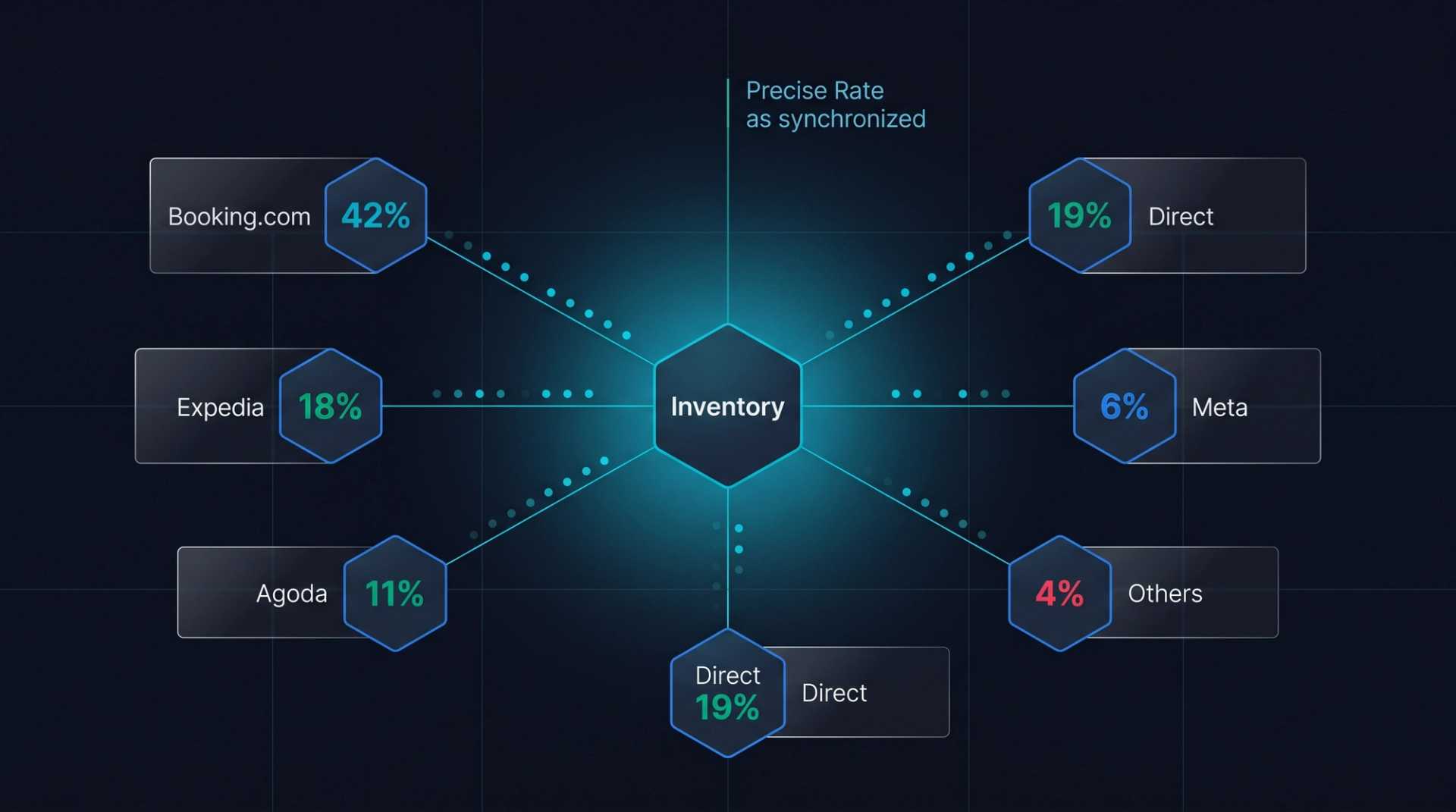
Finally, the dynamic packaging channel should not be an isolated strategy. Continuously monitoring and optimizing the balance between direct bookings, OTA, and package channels is fundamental for sustainable revenue management.
![Europe's Hotel Construction Boom: 2026 Oversupply Risks [Market Analysis]](https://cdn.sanity.io/images/1la98t0z/production/6dfe59137f56aa14bfcba86d9db3cf05ff89f406-2752x1536.jpg?w=1920&q=50&auto=format&fit=max)