![24/7 Digital Concierge: Boosting Hotel Guest Experience [2026 Guide]](https://cdn.sanity.io/images/1la98t0z/production/ddebdf05153fb042de6a714853631db73cd7b3ed-2752x1536.jpg?w=1920&q=65&auto=format&fit=max)
Key Takeaways
- Digital concierge systems meet 24/7 guest demands, boosting satisfaction by an average of 34% and cutting operational costs by 28%.
- A three-layered architecture (Instant Response, AI Conversational, Human Escalation) resolves 45-55% of common queries instantly and handles complex issues efficiently.
- Top services include personalized restaurant recommendations (accounting for 32% of requests), activity planning, and in-hotel service management, generating new revenue streams.
- Omnichannel access via WhatsApp (58% preferred), mobile apps, in-room tablets, voice assistants, and QR codes is crucial for accessibility and higher guest engagement.
- In 2026, digital concierge is not a luxury but a necessity for enhancing guest experience, improving operational efficiency, and differentiating hotels from competitors.
Digital Concierge: The Future of Hotel Service
Traditional concierge services have been an integral part of luxury hotels for centuries. However, today's guests may want a restaurant recommendation at 2 AM, airport transfer arrangements at 6 AM, or to join an island tour in the middle of their vacation. The operating hours and staff capacity of a physical concierge desk often fall short of these expectations.
According to 2026 data, 68% of hotel guests prefer to request services through digital channels, and 81% turn to alternative sources if the waiting time exceeds 2 minutes. Digital concierge systems, powered by artificial intelligence and automation, meet these expectations 24/7, increasing guest satisfaction by an average of 34% and reducing operational costs by 28%.
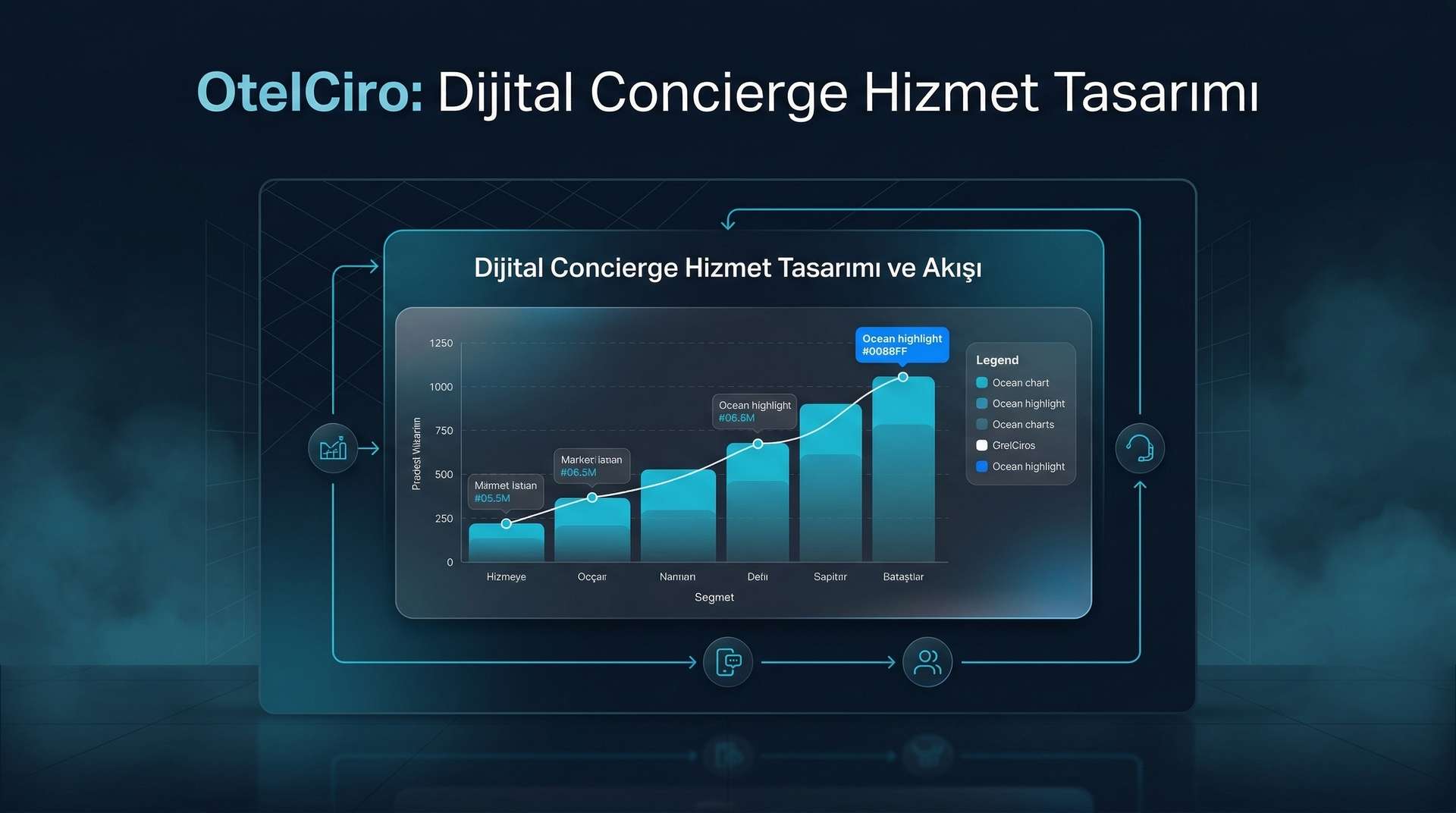
Embed this image on your site
<a href="https://otelciro.com/en/news/24-7-digital-concierge-boosting-hotel-guest-experience-2026-guide">
  <img src="https://cdn.sanity.io/images/1la98t0z/production/ddebdf05153fb042de6a714853631db73cd7b3ed-2752x1536.jpg" alt="Digital Concierge Service Design Infographic" width="800" />
</a>
<p>Source: <a href="https://otelciro.com">OtelCiro</a> — AI Hotel Revenue Management</p>
Related reading: OtelGPT: 24/7 Support with AI Assistant
Digital Concierge Architecture: Layers and Components
An effective digital concierge system consists of three fundamental layers:
Layer 1 — Instant Response Engine: Provides immediate answers (in milliseconds) to frequently asked questions such as Wi-Fi passwords, pool hours, room service menus, and check-out times. This layer resolves 45-55% of all queries without human intervention.
Layer 2 — AI Conversational Engine: Understands and responds to more complex requests using natural language processing. It offers personalized recommendations for open-ended questions like "Can you recommend a romantic restaurant for this evening?" by considering the guest's preferences, budget, and location. OtelGPT operates within this layer, analyzing guest profiles in real-time.
Layer 3 — Human Escalation: Complex or sensitive requests that the AI cannot resolve (such as special event planning, complaint management, VIP requests) are escalated to trained concierge staff. The rate of requests falling into this layer is typically between 12-18%.
This layered structure allows the digital concierge to offer both scalability and a personal touch.
Restaurant and Gastronomy Services
Restaurant recommendations and reservations constitute 32% of concierge requests, making it the most popular service category:
Personalized recommendations: Offer filtered restaurant suggestions based on the guest's culinary preferences, allergy information, budget range, and location preference. Instantly process multiple criteria like "seaside, child-friendly, Turkish cuisine, under 500 TL per person."
Instant booking: Provide the ability to make direct reservations at recommended restaurants. With an integrated booking system, guests should be able to reserve a table through the digital concierge in 3 clicks. This integration generates 8-12% commission revenue from restaurant partners.
Menu translation: An instant translation feature for local restaurant menus into the guest's language is one of the most valued services by international guests. The ability to upload a menu photo for AI translation increases user satisfaction by 29%.
Gastronomy tours: Offer planning and booking services for local markets, wine tastings, and street food tours. Gastronomy tours generate an average of 35,000 TL in additional monthly revenue per hotel.
Related reading: AI Integration with MCP Server
Activity and Experience Recommendations
One of the most powerful applications of a digital concierge is providing activity and experience recommendations that enrich the guest's stay:
Contextual recommendations: Offer dynamic activity suggestions based on weather, time of day, guest age group, and interests. A museum recommendation on a rainy day, a boat tour on a sunny afternoon — contextual intelligence increases recommendation quality by 56%.
Last-minute deals: Work in integration with local tour operators and activity providers to offer instant discounted deals for activities with available capacity. Guests enjoy discovering unplanned activities and respond to last-minute offers with a 42% higher conversion rate.
Cultural guidance: Provide interactive information about the history, cultural events, and local traditions of the visited city. It should be able to instantly answer questions like "What is the story behind this mosque?" or "What's happening in the city tonight?"
Transportation planning: Manage public transport routes, taxi calling, car rental, and bike-sharing services from a single platform. Integrated with Google Maps and local transportation APIs, the digital concierge suggests the fastest and most suitable route.
In-Hotel Service Management
The digital concierge coordinates not only external services but all in-hotel services as well:
Room service ordering: Instant ordering via a digital menu, special dietary notes, and estimated delivery time. A digital ordering system generates a 23% higher average order value compared to phone orders—thanks to visual menus and easy upselling.
Spa and pool reservations: Real-time display of available times, therapy selection, and payment processing should be completable through the digital concierge. The digital spa reservation rate is 2.4 times that of physical reservations.
Housekeeping requests: Guests can send requests like "Send extra towels to my room," "Refill the minibar," or "Clean my room at 3:00 PM" with a single tap, enhancing guest comfort.
Technical support: Provide step-by-step visual guidance for technical issues such as air conditioning settings, TV usage, or safe codes. Simple technical requests are resolved digitally, allowing the technical team to focus on genuine malfunctions. This reduces technical service calls by 37%.
Omnichannel Access Strategy
The success of a digital concierge depends on its accessibility through the guest's preferred communication channel:
WhatsApp Business: 58% of guests prefer WhatsApp as their primary communication channel. It offers a rich communication experience with automated responses, media sharing, and location sending.
Mobile application: A hotel-branded application provides the most comprehensive digital concierge experience. However, since app download rates usually remain between 25-35%, it is not sufficient as a sole channel.
In-room tablet: Tablets placed in rooms provide instant access and do not require guests to download an application. Guests using tablets spend 19% more on in-house services.
Voice assistant: Hands-free service requests with Alexa or Google Assistant integration. Voice commands like "Otelciro, what will the weather be like tomorrow?" or "Order breakfast for 8 AM" elevate the guest experience.
QR code access: QR codes placed in the lobby, restaurants, by the pool, and in elevators provide access to the digital concierge without needing to download an application. The access rate via QR codes is 62% higher compared to other digital channels.
In 2026 hospitality, a digital concierge is no longer a luxury but a necessity to meet guest expectations. A well-designed digital concierge system increases guest satisfaction, boosts operational efficiency, creates additional revenue channels, and differentiates your hotel from competitors.
![Europe's Hotel Construction Boom: 2026 Oversupply Risks [Market Analysis]](https://cdn.sanity.io/images/1la98t0z/production/6dfe59137f56aa14bfcba86d9db3cf05ff89f406-2752x1536.jpg?w=1920&q=50&auto=format&fit=max)