Key Takeaways
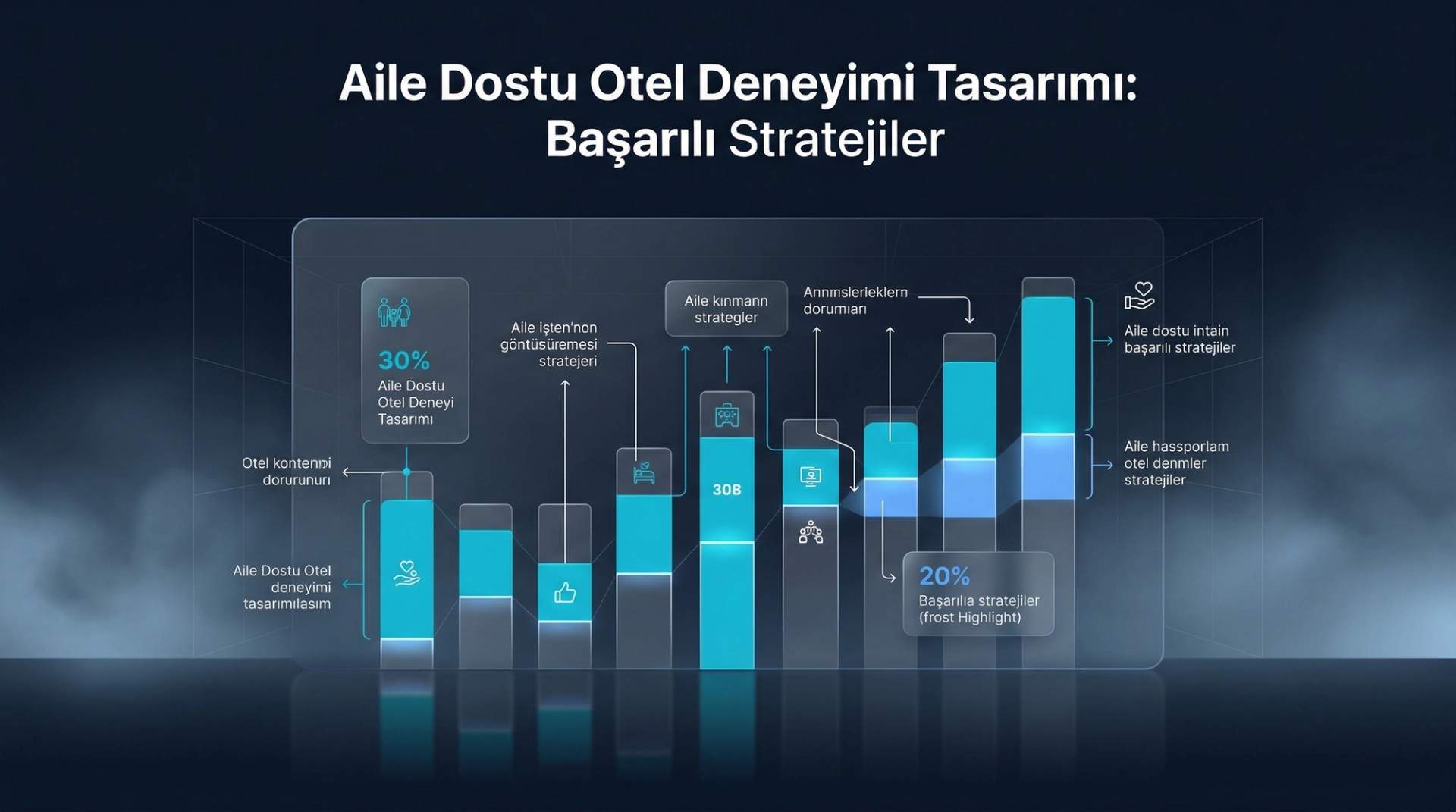
- High Loyalty & Profitability: The family segment boasts the highest repeat visit rates (67%) and longest average stays, with 78% relying on word-of-mouth recommendations.
- Integrated Room Design: Family rooms must balance adult comfort with child safety and entertainment, tailored by age. Themed rooms can command 45% higher prices and 23% higher occupancy.
- Professional Kids' Programs: Age-appropriate, educational kids' clubs with trained, certified staff (increasing parental trust by 52%) are crucial selling points.
- Beyond the Kids' Menu: F&B strategy should prioritize healthy, interactive dining options, comprehensive allergy management, and flexible meal times to satisfy modern parents.
- Outdoor & Digital Enhancements: Multi-level pools, interactive water parks, nature discovery areas, and digital communication tools significantly boost guest satisfaction and operational efficiency.
The Family Segment: Hospitality's Most Loyal Guest Group
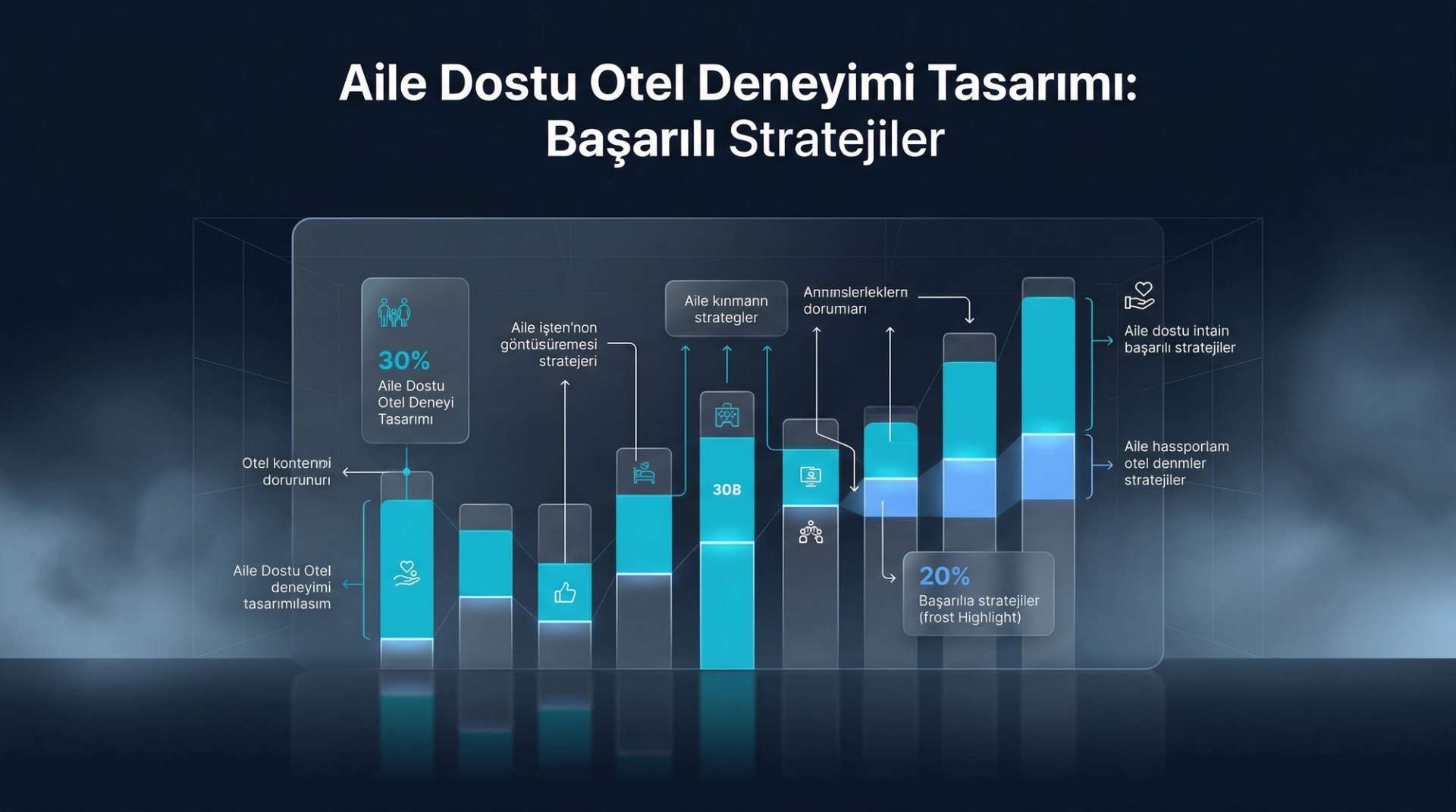
The family segment is the guest group with the highest repeat visit rates and the longest average length of stay in the hospitality sector. According to 2026 data, families allocate 42% of their holiday budget to accommodation and return to hotels where children have a positive experience at a rate of 67%. These figures are more than double the 28% average repeat visits for individual travelers.
However, being family-friendly means more than just offering a children's pool and a crib. In 2026, families expect a holistic accommodation experience where their children learn while having fun, parents can relax comfortably, and everyone feels at home. Hotels that meet this expectation create a strong word-of-mouth marketing effect: 78% of the family segment receives hotel recommendations from friends and family.
Embed this image on your site
<a href="https://otelciro.com/en/news/2026-family-hotel-design-engaging-stays-roi-growth">
  <img src="https://cdn.sanity.io/images/1la98t0z/production/88ba710691db91ab604f84819fb99da4fc138d4c-2752x1536.jpg" alt="Children and Family Hotel Experience Infographic" width="800" />
</a>
<p>Source: <a href="https://otelciro.com">OtelCiro</a> — AI Hotel Revenue Management</p>
Related reading: Reputation Management ROI: The Impact of Your Review Score on Revenue
Family Room Concept: Ergonomics and Entertainment
Family room design must offer adult comfort and child safety simultaneously:
Space planning: A minimum of 35 m2 space, with semi-open plan separation of parent and child areas. Use a sliding curtain system or panel to allow parents to relax comfortably after children are asleep.
Child safety: Corner protectors, outlet covers, lockable mini-bar, window safety latches, and non-slip bathroom floors should be standard. Hotels meeting safety standards have a family segment review score 0.6 points higher.
Age-group specific arrangements: Offer different amenity packages for 0-2 years (crib, high chair, baby bathtub), 3-6 years (play corner, coloring set, kids' menu), and 7-12 years (board games, bookshelf, PlayStation/tablet). Prepare the room in advance by asking for children's ages during reservation.
Themed room options: Pirate, space, jungle, or underwater-themed children's rooms create a strong attraction in the family segment. Themed rooms sell at a 45% higher price compared to standard family rooms, and their occupancy rates are 23% higher.
Storage space: Families often travel with a lot of luggage. Practical solutions such as ample closet space, stroller parking, and luggage racks are among the details most appreciated by parents.
Kids' Club and Activity Program
A professional kids' club is one of the strongest selling points for family-friendly hotels:
Age-group specific programs: Mini Club (3-5 years) for sensory games, coloring, and music; Junior Club (6-9 years) for science experiments, drama, and sports; Teen Zone (10-14 years) for e-sports, dance, and adventure activities. Age-appropriate programming ensures both children enjoy themselves and parents can leave them safely.
Educational content: Combine entertainment with learning through STEM workshops, nature discovery excursions, cooking classes, and art workshops. 73% of parents state that knowing their children learned something new on holiday increases their satisfaction with the accommodation.
Staff quality: Employ animators with child development training, first-aid certification, and experience. A maximum ratio of 6-8 children per staff member ensures safety and quality. The presence of trained staff increases the parental trust index by 52%.
Evening programs: Organize evening childcare services or movie nights so parents can enjoy a romantic dinner or spa experience. This service increases parents' on-site evening spending by 38% — as they spend time out without childcare worries.
Related reading: Hotel Upselling and Cross-selling Techniques
F&B Strategy: Beyond the Kids' Menu
In the family segment, the dining experience is as crucial as accommodation quality:
Healthy kids' menu: Offer options beyond "fries and nuggets." Healthy alternatives such as colorful vegetables, homemade pasta, fresh fruit platters, and smoothies are what modern parents expect. Hotels offering healthy kids' menus have F&B satisfaction scores 26% higher.
Interactive dining experience: Design pizza-making workshops, ice cream bars, or "build your own" stations where children can prepare their plates. Interactive dining experiences increase children's willingness to eat by 44% and eliminate mealtime stress.
Allergy management: The rate of food allergies in children is higher compared to adults. Detailed allergen information, special menu preparation, and allergy awareness training for the kitchen staff are mandatory. Allergy management ranks as the 3rd most important hotel selection criterion in the family segment.
Flexible dining hours: Families with children may not adhere to standard dining hours. Early dinner (5:00 PM-6:00 PM), late breakfast, and continuously accessible snack buffets are among the most appreciated flexibilities by families.
Baby food service: Offer bottle warming, sterilization, and prepared baby food services for families with infants aged 0-2 years. Hotels offering this detail see a 58% higher preference rate among the young parent segment.
Water Park and Outdoor Area Design
Outdoor areas are one of the most decisive factors for the family segment in hotel selection:
Multi-level pool system: Design age-appropriate pool areas including a baby pool (20 cm depth, 32°C), a children's pool (50-80 cm, with slides), and a family pool (variable depth). Pool variety is directly associated with higher occupancy in the family segment.
Water play area: Interactive water play areas consisting of fountains, water cannons, mini slides, and sprinkler systems ensure children have hours of fun. Investment cost ranges between 200,000-500,000 TL, with an average return on investment period of 1.5 seasons.
Nature exploration areas: Nature-themed activity areas like insect observation stations, birdhouses, and plant cultivation gardens are attractive to families looking to get away from screens. Hotels offering nature activities have an average TripAdvisor score 0.3 points higher.
Safe playground: A CE-certified, age-appropriate, and regularly maintained playground should be standard. The ground surface should be made of shock-absorbing material and supported with shaded areas.
Digital Tools and Family Communication
OtelCiro's operations ecosystem offers digital tools specifically for the family segment:
Family planner: A digital tool that creates a daily activity plan based on guests' children's age groups and interests. Parents can view suitable activities in advance for each day and make reservations.
Instant notification system: A system that sends photo updates to parents about activities in the kids' club. Messages like "Your child is creating a wonderful painting in the art workshop right now!" increase parental trust and satisfaction by 41%.
Easy check-in: Offer a pre-registration system to speed up the family check-in process. Children's information, allergy details, and special requests should be completed digitally before arrival. Fast check-in increases the first impression score by 33% in the family segment.
Being a family-friendly hotel is not an expense but a strategic investment. A well-designed child and family experience pays for itself exponentially through high repeat visit rates, strong word-of-mouth marketing, and increased on-site spending. The key is to design a holistic experience that understands the needs of every age group, prioritizes safety, and caters to the entire family.
![Europe's Hotel Construction Boom: 2026 Oversupply Risks [Market Analysis]](https://cdn.sanity.io/images/1la98t0z/production/6dfe59137f56aa14bfcba86d9db3cf05ff89f406-2752x1536.jpg?w=1920&q=50&auto=format&fit=max)